















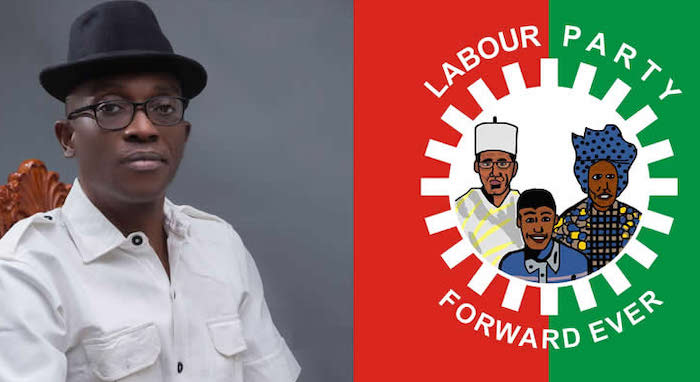
Court sacks Abure Labour Party
A major shake-up has hit the leadership of the Labour Party as a court ruling has sacked Julius Abure and members of his National Working Committee, directing the Independent National Electoral Commission to recognise a Nenadi Usman–led leadership as the authentic executives of the party.
The judgment, delivered after months of internal crisis and legal battles, marks one of the most consequential moments in the Labour Party’s post-2023 election history and could reshape opposition politics ahead of future elections.
Court Ruling That Ended the Abure Leadership
In its ruling, the court held that the leadership structure headed by Julius Abure failed to comply with internal party rules and constitutional provisions governing the emergence of party executives,Court sacks Abure Labour Party.
The court declared that the processes which produced Abure and his National Working Committee were procedurally flawed, unlawful, and incapable of conferring legitimacy. Consequently, the court ordered INEC to withdraw recognition from Abure and immediately acknowledge the Nenadi-led Labour Party executives as the lawful leadership,Court sacks Abure Labour Party.
This ruling effectively nullifies Abure’s authority to act, speak, or make decisions on behalf of the party.
Why the Court Recognised Nenadi-Led Labour Party Excos
The court recognised the leadership headed by Nenadi Usman, a former senator and ex-Minister of Finance, after determining that her faction emerged from a process that substantially complied with the party’s constitution.
According to the judgment, the Nenadi-led Labour Party excos were products of a legitimate internal mechanism endorsed by critical stakeholders, including elected officials and recognised party organs.
This recognition places Nenadi Usman at the centre of Labour Party affairs, with full authority to manage party structures, finances, candidate nominations, and correspondence with INEC.
https://ogelenews.ng/court-sacks-abure-labour-party-inec-nenadi-excos
Implications for INEC and Party Administration
By ordering INEC to recognise the Nenadi-led Labour Party excos, the court has placed a binding obligation on the electoral umpire to update its records accordingly.
This means:
• Only letters signed by the Nenadi-led leadership will be valid.
• Party primaries and congresses must be supervised under the new leadership.
• Any parallel actions by the Abure faction risk being declared illegal.
INEC is legally bound to comply unless the ruling is stayed by a higher court.
What This Means for the Labour Party Crisis
The court ruling is widely seen as a decisive intervention in the long-running Labour Party crisis, which intensified after the 2023 general elections.
Factional disputes over party control, finances, and ideological direction had weakened the party’s internal cohesion and public image. The removal of Abure and recognition of the Nenadi-led Labour Party excos may offer a pathway to restoring order, though resistance from the ousted faction remains likely.
Political observers warn that how the Nenadi leadership manages reconciliation will determine whether the party regains momentum or sinks deeper into factional warfare,Court sacks Abure Labour Party.
Reactions From Party Stakeholders
Supporters of the Nenadi faction hailed the judgment as a victory for internal democracy and the rule of law. Several Labour Party lawmakers privately described the ruling as “long overdue,” accusing the Abure leadership of unilateralism and exclusion.
On the other hand, allies of Julius Abure have questioned the ruling and hinted at the possibility of an appeal, arguing that the court overreached its jurisdiction in party matters.
As of the time of filing this report, Abure had not issued a detailed public response,Court sacks Abure Labour Party.
Political Significance Ahead of Future Elections
The court decision comes at a critical time when opposition parties are repositioning ahead of off-cycle and future general elections.
With INEC ordered to recognise the Nenadi-led Labour Party excos, the party now has a clear leadership recognised by law. This clarity is essential for candidate selection, alliance negotiations, and fundraising.
Analysts say the ruling could either stabilise the party or trigger a fresh round of defections if reconciliation efforts fail.
What Happens Next
The immediate next steps include:
• INEC updating its official records
• Nenadi-led executives taking over party offices
• Possible appeals from the Abure faction
• Internal reconciliation or disciplinary actions
For now, the court has spoken, and legally, the Nenadi-led Labour Party excos are in charge,Court sacks Abure Labour Party.
Bottom Line
The court’s decision to sack Abure and order INEC to recognise the Nenadi-led Labour Party excos is a landmark ruling with far-reaching implications for Nigeria’s opposition politics. Whether this judgment strengthens the Labour Party or deepens its internal rifts will depend on how the new leadership navigates the fragile political terrain ahead,Court sacks Abure Labour Party.

Court sacks Abure Labour Party.