



















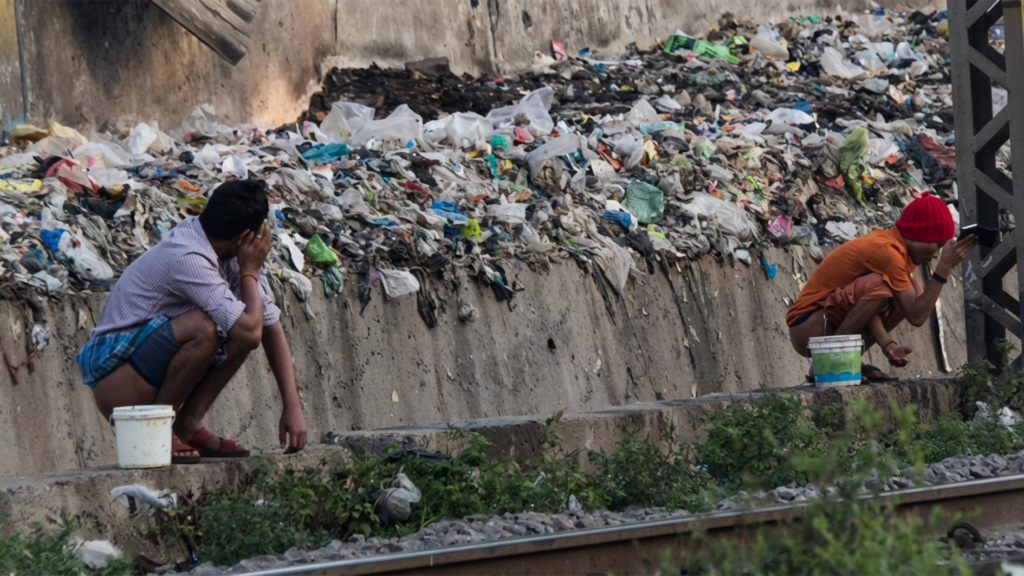
Cross River open defecation ban
The Cross River open defecation ban is moving closer to reality after the state House of Assembly passed a bill aimed at prohibiting the practice in public places, in what appears to be one of the clearest legislative pushes yet by the state to tighten sanitation standards and confront a public health problem that remains stubborn across Nigeria. PUNCH reported on Thursday, March 12, that the Assembly passed the bill to improve public health, sanitation and hygiene across Cross River State.
The significance of the Cross River open defecation ban lies in the scale of the problem it is trying to address. Open defecation is not simply a nuisance or an eyesore. The World Health Organization says poor sanitation is linked to the spread of disease and that eliminating open defecation remains a global public health priority. UNICEF’s Nigeria data and the 2021 WASHNORM report show that tens of millions of Nigerians still practise open defecation, underscoring how difficult it has been for both federal and state authorities to reverse the trend.
That national backdrop makes the Cross River open defecation ban more than a local legislative update. Nigeria committed itself to ending open defecation through the Clean Nigeria campaign, while UNICEF documents around that effort have stressed that progress has been slower than required to meet the country’s own targets. One UNICEF policy document notes the scale of the financing and infrastructure gap, while WHO and UNICEF global monitoring reports continue to show that sanitation expansion is lagging behind what is needed for universal access.
Cross River itself has been signalling for months that it wants to take a harder line on sanitation. A state news bulletin from February 5, 2026, reported that the Cross River Assembly had moved to ban open defecation after holding a public hearing in Calabar. Another official state report from February 3 said authorities were working to make Obubra open-defecation-free and vowed not to relent in improving public health and hygiene infrastructure. Taken together, those updates show that the Cross River open defecation ban is part of an established policy trail, not a sudden headline grab.
That history matters because anti-open-defecation laws often fail when they are not backed by infrastructure, enforcement and community buy-in. UNICEF has repeatedly argued that ending open defecation cannot depend only on punishment or awareness campaigns. It also requires practical access to toilets, stronger local sanitation systems and behavior change supported by communities themselves. WHO makes much the same point in its sanitation guidance, which treats safe toilets and proper hygiene as basic public health infrastructure, not optional extras.
This is where the real test of the Cross River open defecation ban will lie. Passing a bill is one thing. Enforcing it fairly and effectively is another. If the state wants the law to succeed, it will need enough public toilets in markets, transport hubs and dense urban areas, especially for poorer residents who may not have reliable access to safe sanitation facilities. UNICEF material on Nigeria’s anti-open-defecation effort has long pointed to affordability and access as major obstacles, particularly for poorer households.
https://ogelenews.ng/cross-river-open-defecation-ban
There is also a political and administrative dimension to the story. Laws of this kind are often most effective when they are integrated into a broader WASH strategy involving water supply, toilet construction, hygiene education and local council enforcement. Cross River’s recent WASH governance initiatives, including work in Obubra and other state-led sanitation engagements, suggest that officials understand this wider approach. The question now is whether that administrative momentum will be sustained once the Cross River open defecation ban moves from legislative text to field enforcement.
The public health argument for action is not hard to make. Poor sanitation contributes to diarrhoeal disease and can deepen the burden of waterborne outbreaks in already vulnerable communities. WHO says safe sanitation is essential to breaking disease transmission pathways, while Nigerian sanitation policy documents supported by UNICEF continue to frame open defecation as both a health risk and a development problem. In other words, the Cross River open defecation ban should not be read narrowly as a morality tale about public behavior. It is a health systems issue, a poverty issue and an urban management issue all at once.
Still, a veteran reading of the development requires caution. The public summary available from PUNCH confirms that the House passed the bill, but the full text of the legislation, including penalties, implementation timelines, enforcement agencies and whether it has received final executive assent, was not visible in the material I could access. So the responsible way to report this is to say that the Cross River open defecation ban has cleared a major legislative stage and signals a tougher sanitation posture by the state, while some legal and operational details still need to be tracked as the measure moves forward.
Even with that caution, the direction of travel is obvious. Cross River wants to be seen as serious about sanitation, and the Assembly’s action sends a message that public defecation is no longer being treated as a tolerated failure of infrastructure and governance. Whether the Cross River open defecation ban becomes a model for public hygiene reform or just another unenforced statute will depend on what happens next: toilet access, public education, local enforcement and sustained political will. That is where this story will either become a policy success or quietly collapse under the weight of implementation.
https://punchng.com/criver-to-ban-open-defecation-in-public-places