














Dangote, the Oil Regulator, and Why This Allegation Has Sparked a National Debate
The Dangote NMDPRA allegation has placed Nigeria’s petroleum regulator under renewed public scrutiny, reopening debates about transparency, accountability, and trust in public institutions.
This explainer breaks down what happened, why it matters, and what Nigerians should realistically watch next.
Dangote NMDPRA Allegation: What Is This About
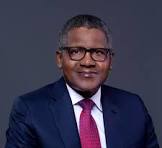
Aliko Dangote, President of the Dangote Group, recently raised public questions about the personal finances of Farouk Ahmed, the Chief Executive Officer of the NMDPRA. At a media briefing, Dangote referenced reports suggesting that the regulator’s head paid around $5 million to educate his children in Switzerland.
Dangote argued that such spending appears difficult to reconcile with what a public official could reasonably afford on a government salary, and he called for transparency and a possible investigation to clarify the source of the funds.
The matter has drawn attention not because of Dangote’s wealth, but because the NMDPRA is one of the most powerful regulatory bodies in Nigeria’s oil and gas sector. It oversees fuel imports, pricing frameworks, and downstream operations that directly affect fuel availability, cost of living, and business confidence.
As of the time of reporting, there has been no detailed public response from the regulator addressing the specific allegation.
Why It Is Happening
This controversy did not emerge in isolation. It sits at the intersection of regulation, business interests, and public trust.
First, Dangote and petroleum regulators have been involved in a long-running disagreement over fuel import licences and Nigeria’s refining policy. Dangote has repeatedly argued that Nigeria should reduce fuel imports and prioritise domestic refining, especially now that his refinery is operational. Regulators, on the other hand, have maintained that imports remain necessary to stabilise supply.
Second, the allegation touches a sensitive national nerve: confidence in public institutions. For many Nigerians, stories that suggest senior officials living far beyond visible earnings resonate deeply, particularly in a country where millions struggle with school fees, rent, and rising food prices.
Third, Dangote framed his comments as a call for institutional credibility, not personal confrontation. His argument is that unresolved questions around regulators can weaken confidence in Nigeria’s petroleum sector and discourage both local and foreign investment.
At its core, this is not just a dispute between a businessman and a regulator. It is a question about how transparent Nigeria’s regulatory system appears to the public.
Supporters and critics alike agree that the Dangote NMDPRA allegation has widened public attention on how regulators are held accountable.
What It Means for Ordinary Nigerians
Cost of living:
There is no immediate impact on fuel prices, transport costs, or household spending as a result of this allegation. Any effect would only come later if policy or regulatory decisions change.
Jobs:
Short-term employment is unaffected. However, long-term job creation in the energy sector depends heavily on investor confidence and regulatory clarity.
Safety:
The issue has no direct implications for public safety.
https://ogelenews.ng/category/business
Business:
High-profile disputes between major investors and regulators can influence how stable and predictable Nigeria’s business environment appears. Investors tend to watch how disagreements are handled, not just what they are about.
Education:
The allegation has triggered public discussion about inequality and access to education. Many Nigerians struggle to afford basic schooling, making reports of multi-million-dollar education spending by public officials emotionally charged.
Daily life:
For most Nigerians, this story is less about Dangote as an individual and more about whether public institutions are seen as fair, transparent, and accountable.
Why This Debate Is Bigger Than One Person
Even if the allegation is later clarified or disputed, the conversation it has sparked goes beyond one official.
Nigeria’s oil sector has long been associated with secrecy, complexity, and public suspicion. Each new controversy reinforces the demand for openness, especially at a time when citizens are being asked to endure economic reforms and rising living costs.
The key issue is not wealth itself, but trust. When regulators are trusted, their decisions are more easily accepted. When trust is weak, every policy decision is viewed through a lens of suspicion.
This is why the calls for transparency matter, regardless of how the allegation eventually unfolds.
How institutions respond to the Dangote NMDPRA allegation may shape public trust more than the claim itself.
What to Watch Next
• Whether the NMDPRA issues a detailed public clarification
• Any action by oversight or anti-corruption agencies
• How the dispute affects discussions around fuel imports and domestic refining
• Public and civil society responses demanding accountability
Bottom Line
This is not yet a legal case; it is a public test of transparency. How Nigeria’s institutions respond will matter more than the allegation itself.