















Dangote petrol market
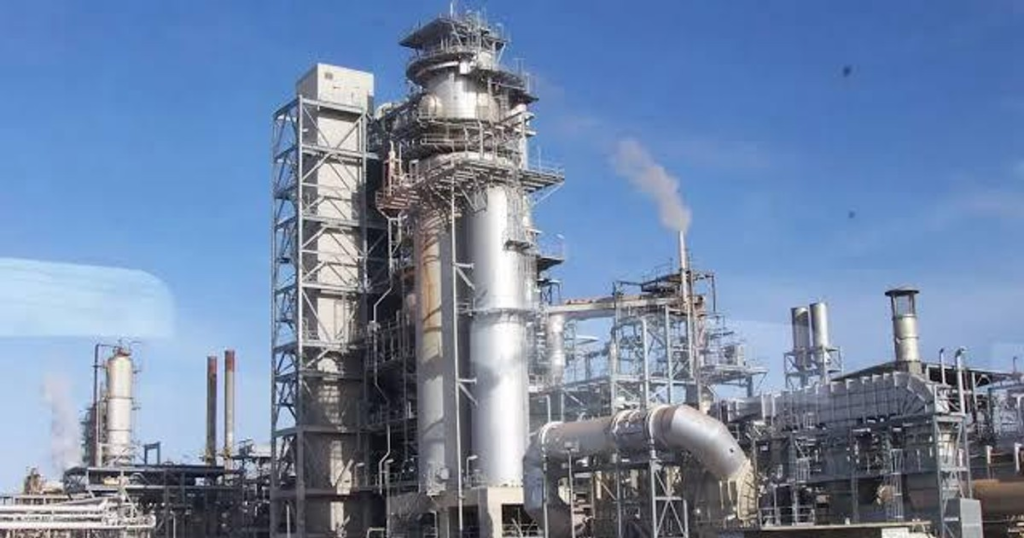
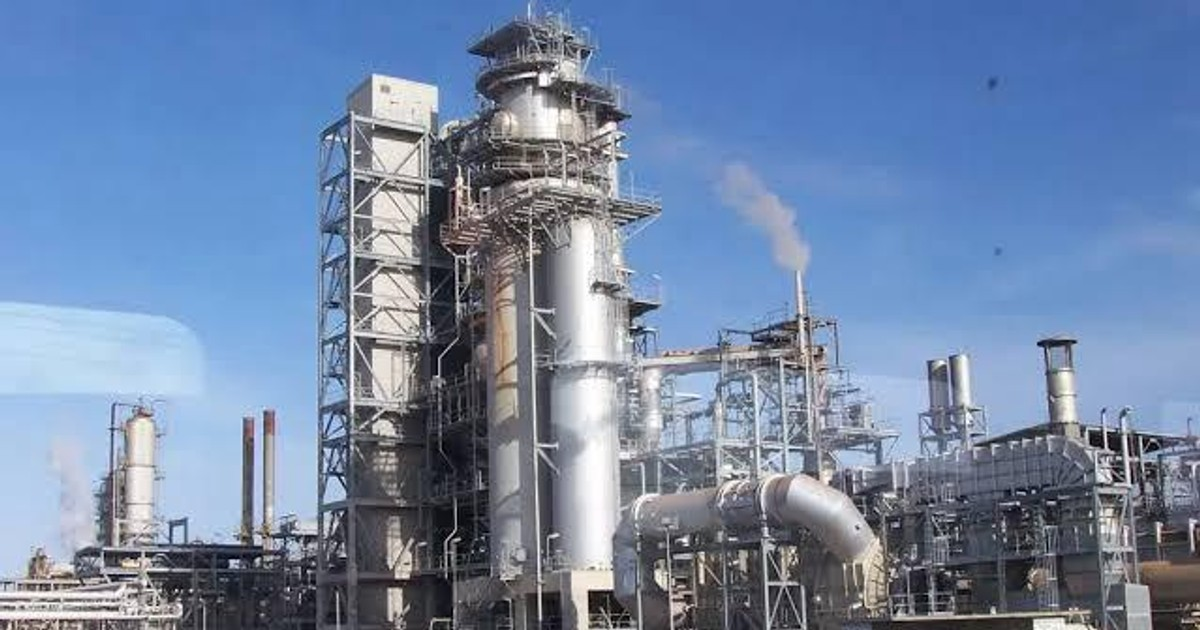
Dangote petrol market dominance is now at the center of a major debate in Nigeria’s downstream oil sector after fresh data showed that the refinery accounted for about 92 percent of domestic petrol supply in February, just as the Federal Government halted the issuance of new import licences for Premium Motor Spirit this year. The shift has sharply reduced competition in the market and raised questions about pricing power, consumer protection and energy security.
The core numbers are striking. According to the NMDPRA’s February 2026 fact sheet, Dangote Refinery supplied an average of 36.5 million litres of petrol daily to the Nigerian market, while total national consumption stood at about 39.5 million litres per day. That means the Dangote petrol market share was roughly 92.4 percent for the month. Using a conservative benchmark of N1,000 per litre, the annualised value of that market comes to roughly N14.42tn.
That scale explains why Dangote petrol market influence is now being discussed in monopoly terms. Punch reported that economists, downstream experts and labour voices are urging some form of price oversight or stronger competition safeguards, arguing that no single player should effectively determine the price direction of a product as central to household welfare and transport costs as petrol.
The immediate trigger for these fears is the government’s decision to stop issuing fresh petrol import licences. The regulator said no new licences were issued in 2026 because domestic supply was considered sufficient, a position also reported by Reuters, TheCable and The Nation. Under the Petroleum Industry Act, imports are meant to fill supply gaps, not compete with adequate local production. In practice, that has left the Dangote petrol market as the dominant source of supply.
There is logic behind the policy. For years, Nigeria imported large volumes of petrol because its state-owned refineries in Port Harcourt, Warri and Kaduna failed to meet local demand. Dangote’s 650,000 barrels-per-day refinery has changed that equation by supplying petrol at home and reducing the need for imports. In that sense, the rise of the Dangote petrol market is also a story of domestic refining success after decades of dependence on foreign supply.
But market dominance comes with its own risks. Punch quoted petroleumprice.ng chief executive Jeremiah Olatide as warning that heavy dependence on one refinery could expose the country to supply shocks if anything disrupts operations. Even where a dominant supplier is efficient, the absence of strong competition can weaken the pressure to keep prices low, especially in a deregulated market where consumers have limited alternatives. That is why the Dangote petrol market debate is now moving beyond output figures to the deeper issue of consumer vulnerability.
https://ogelenews.ng/dangote-petrol-market
Price behaviour has already fed those concerns. In late January, Punch reported that imported petrol had a lower landing cost than Dangote’s gantry price after the refinery raised its ex-depot rate to N799 per litre while MEMAN data showed an import landing cost of N728.88 per litre. More recently, price movements have remained volatile, driven not only by refinery decisions but also by global crude oil swings. This means the Dangote petrol market may dominate supply without necessarily insulating Nigerians from international price shocks.
That point has been reinforced by the Centre for the Promotion of Private Enterprise. CPPE said local refining can improve supply stability, but it cannot completely shield the domestic market from global oil price volatility because crude prices remain internationally benchmarked. So while the Dangote petrol market reduces import dependence, it does not automatically guarantee cheap petrol. The structure may strengthen availability, but affordability is still exposed to crude prices, exchange rate pressure and distribution costs.
Still, there is another side to the story that cannot be ignored. Only days before the monopoly debate intensified, some analysts were crediting Dangote Refinery with helping Nigeria avoid an even worse fuel crisis amid global oil tensions. ThisDay reported economists describing the refinery as a stabilising factor for Nigeria’s energy security, and Nairametrics quoted marketers saying petrol prices might have climbed even higher without the local refinery’s output. That makes the Dangote petrol market a complicated reality: a source of both relief and anxiety.
For policymakers, the real question is no longer whether Dangote has changed the market. That is already settled. The question is how Nigeria manages a downstream sector in which one refinery has become overwhelmingly dominant. If imports remain paused, then competition may have to come from the rehabilitation of public refineries, growth in modular refining, transparent pricing and stronger regulation against abusive market conduct. Without those guardrails, the Dangote petrol market may become too central to everyday life for comfort.
In the end, the monopoly fear is not really about Dangote alone. It is about the structure of Nigeria’s fuel market. A country that spent years trapped by import dependence now risks swinging toward single-supplier dependence. That is a major strategic shift. And with petrol prices touching every corner of the economy, the rise of the Dangote petrol market is no longer just an energy story. It is now a national cost-of-living story, a competition story and a governance story rolled into one.
https://punchng.com/monopoly-fears-rise-as-dangote-controls-n14-4tn-petrol-market