
















Dangote refinery crude cargo shortfall Nigeria supply crisis
Nigeria’s ambition to achieve self-sufficiency in refined petroleum products is facing renewed scrutiny following revelations that the Dangote Refinery is receiving only a fraction of its expected crude oil supply.
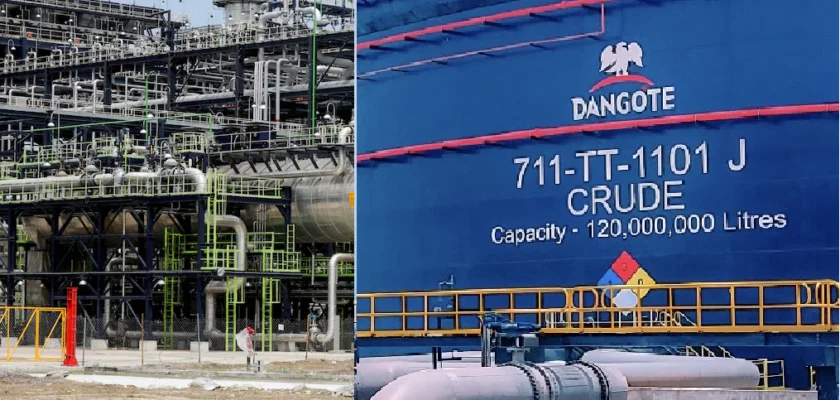
According to the refinery’s Chief Executive Officer, the facility currently receives just five out of the 15 crude cargoes required monthly to operate at optimal capacity. This development has intensified concerns surrounding the Dangote refinery crude cargo shortfall Nigeria supply crisis, particularly as the country seeks to reduce its dependence on imported fuel.
The disclosure highlights a critical gap in Nigeria’s oil supply chain and raises fresh questions about the sustainability of domestic refining initiatives. The Dangote refinery crude cargo shortfall Nigeria supply crisis has quickly become a central issue in discussions about energy policy and economic stability.
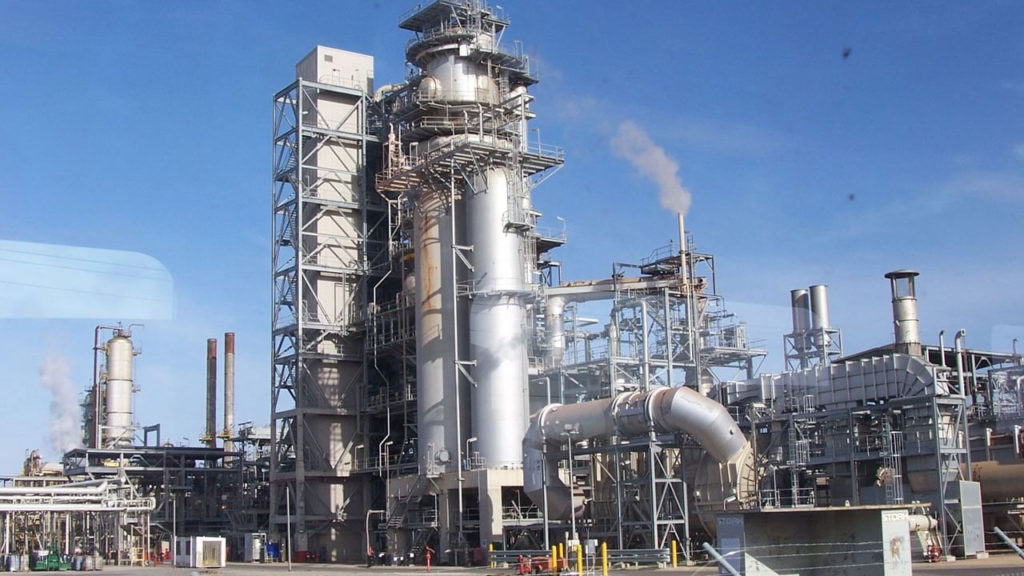
At full capacity, the Dangote Refinery is designed to process approximately 650,000 barrels of crude oil per day. However, with only one-third of its required supply being delivered, the Dangote refinery crude cargo shortfall Nigeria supply crisis threatens to undermine the refinery’s operational efficiency.
Industry analysts point to multiple factors contributing to the shortfall, including declining crude production, pipeline vandalism, and competing export commitments. These challenges have compounded the Dangote refinery crude cargo shortfall Nigeria supply crisis, making it increasingly difficult to meet domestic supply needs.
Nigeria’s crude oil production has struggled to consistently meet its OPEC quota in recent years, further complicating allocation decisions. The Dangote refinery crude cargo shortfall Nigeria supply crisis reflects the broader structural weaknesses within the country’s oil sector.
https://ogelenews.ng/dangote-refinery-crude-cargo-shortfall
The Nigerian National Petroleum Company Limited (NNPC), which plays a central role in crude allocation, is under increasing pressure to balance domestic supply obligations with international export contracts. This balancing act has contributed to the Dangote refinery crude cargo shortfall Nigeria supply crisis.
From a policy perspective, the situation raises critical questions about Nigeria’s commitment to local refining. The Dangote refinery crude cargo shortfall Nigeria supply crisis suggests a disconnect between policy objectives and implementation.
Energy experts warn that failure to address the shortfall could have significant consequences for fuel availability and pricing. The Dangote refinery crude cargo shortfall Nigeria supply crisis may lead to reduced output, forcing the country to rely on imports once again.
For consumers, this could translate into higher fuel prices and increased cost of living. The Dangote refinery crude cargo shortfall Nigeria supply crisis therefore has direct implications for households and businesses across Nigeria.
The private sector has also expressed concern about the long-term viability of the refinery if supply issues persist. The Dangote refinery crude cargo shortfall Nigeria supply crisis could affect investor confidence in Nigeria’s energy sector.
Meanwhile, the Dangote Group has emphasized the importance of consistent crude supply in achieving the refinery’s objectives. Addressing the Dangote refinery crude cargo shortfall Nigeria supply crisis is essential for realizing the full potential of the project.
Experts argue that prioritizing domestic refineries in crude allocation could help resolve the issue. The Dangote refinery crude cargo shortfall Nigeria supply crisis highlights the need for a clear and consistent allocation framework.
There are also indications that the refinery may explore alternative sourcing options, including importing crude from other countries. However, such measures could increase operational costs and reduce the economic benefits of local refining, further complicating the Dangote refinery crude cargo shortfall Nigeria supply crisis.
In addition to allocation challenges, infrastructural issues such as pipeline security and logistics continue to affect supply. The Dangote refinery crude cargo shortfall Nigeria supply crisis cannot be addressed without tackling these underlying problems.
The Federal Government has reiterated its commitment to supporting local refining as part of broader economic reforms. However, the persistence of the Dangote refinery crude cargo shortfall Nigeria supply crisis suggests that more decisive action may be required.
Public reaction to the revelation has been marked by concern, with many Nigerians questioning why a major domestic refinery is struggling to secure crude supply. The Dangote refinery crude cargo shortfall Nigeria supply crisis has reignited debates about resource management.
Economic analysts note that resolving the issue could have far-reaching benefits, including improved fuel supply, reduced import bills, and enhanced foreign exchange stability. The Dangote refinery crude cargo shortfall Nigeria supply crisis is therefore a critical economic issue.
The situation also underscores the importance of transparency in the oil sector. Clear communication regarding the causes and solutions to the Dangote refinery crude cargo shortfall Nigeria supply crisis is essential.
As Nigeria continues to navigate its energy transition, the role of domestic refining will remain central. The Dangote refinery crude cargo shortfall Nigeria supply crisis serves as a reminder of the challenges involved in achieving energy independence.
In the final analysis, the revelation that the refinery receives only five of its required 15 cargoes monthly represents more than a supply issue—it is a test of Nigeria’s ability to align policy with execution. Addressing the Dangote refinery crude cargo shortfall Nigeria supply crisis will require coordinated action, strategic planning, and sustained commitment from all stakeholders.
https://punchng.com/?s=Dangote+refinery