

















Distillers protest FG’s crackdown on sachet alcohol
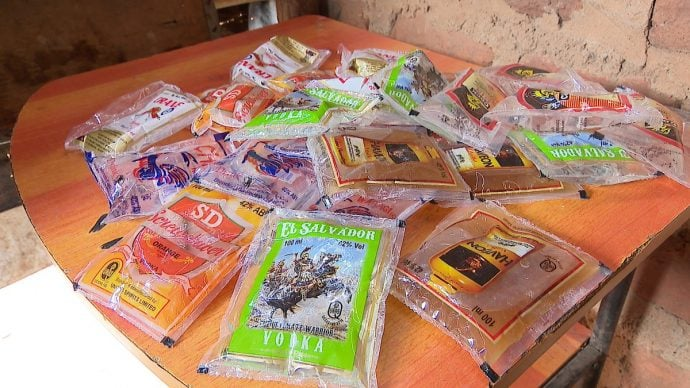
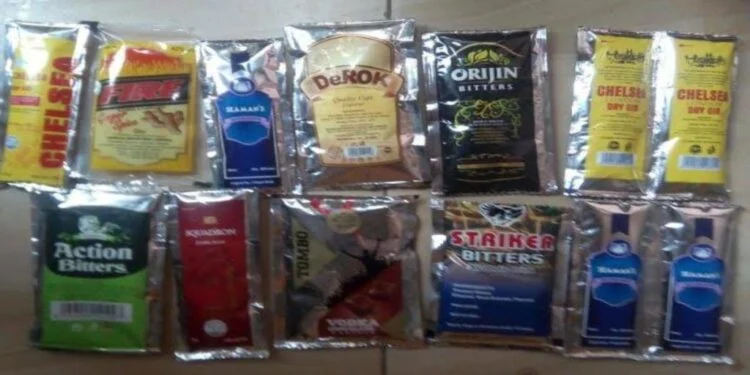
Distillers protest FG’s crackdown on sachet alcohol as employees of distilling companies prepared to stage a fresh protest at the Lagos office of the National Agency for Food and Drug Administration and Control (NAFDAC), following the Federal Government’s renewed enforcement drive against alcohol packaged in sachets and in PET or glass bottles below 200 millilitres. 
A protest notice obtained by reporters stated that workers would gather from 8:30am to press their grievances, warning that the policy and its enforcement could trigger job losses, disrupt factories, and unsettle supply chains in the alcohol and beverage segment. 
The planned demonstration came barely 24 hours after the Federal Government, through a joint briefing in Abuja, flagged off a nationwide enforcement and public enlightenment campaign led by the National Orientation Agency (NOA) in collaboration with NAFDAC and the Federal Competition and Consumer Protection Commission (FCCPC). 
That escalation is the heart of the story: Distillers protest FG’s crackdown on sachet alcohol at the same moment government agencies are pushing a coordinated message that the ban is a public health intervention and the enforcement will not be rolled back casually. 
What government says it is enforcing
At the Abuja briefing, officials restated that the ban covers alcoholic beverages packaged in sachets and in small PET or glass bottles below 200ml, and that the policy took effect January 1, 2026. 
NAFDAC Director-General, Prof. Mojisola Adeyeye, said the crackdown followed years of consultations and concerns about underage access to cheap, high-concentration alcohol, arguing that small pack sizes are easy to conceal and easy for minors to buy. 
This is why officials say the campaign is both enforcement and persuasion: NOA is leading public sensitisation, while NAFDAC and FCCPC are positioned to enforce compliance and consumer protection rules. 
Why distillers and workers are pushing back
For workers and industry players, the argument is economic: small packs are a major route-to-market for several products, especially for low-income consumers who buy in small quantities. Labour groups and distillers have repeatedly warned that removing this segment abruptly could hit production volumes and jobs. 
In Lagos, workers have taken their anger directly to NAFDAC’s gate. In February, distillers under the umbrella of the Food, Beverage and Tobacco Senior Staff Association again picketed the NAFDAC office, accusing the agency of “sealing” companies and demanding a rethink. 
The protests have also drawn support from organised labour. Vanguard reported earlier demonstrations involving labour groups and distillers, with union leaders claiming the policy could threaten millions of jobs and major investments, though those figures remain contested in public debate. 
So, Distillers protest FG’s crackdown on sachet alcohol not simply because the product is popular, but because this packaging format sits at the intersection of affordability, distribution, and factory-level planning.
https://ogelenews.ng/distillers-protest-fgs-crackdown-on-sachet-alcohol
NAFDAC’s rebuttal: “ban the packs, not the companies”
NAFDAC has pushed back against claims that it shut down alcohol producers. In February, TheCable reported NAFDAC saying it did not close companies that make alcohol, but rather banned alcohol in sachets and in small containers below 200ml, and it urged the public to separate the packaging ban from broader claims of factory shutdowns. 
That distinction matters for the newsroom: Distillers protest FG’s crackdown on sachet alcohol is partly a communication war. Workers say “sealing” is happening. NAFDAC says the enforcement target is packaging and distribution, not the existence of alcohol companies.
The bigger stakes: public health vs livelihoods
This is not a simple morality argument. It is a policy collision.
On one side, regulators say small packs make alcohol too accessible to minors and fuel harmful consumption patterns. On the other, distillers and labour unions say the same packs are part of how Nigerians buy everyday products, and sudden enforcement can throw workers into unemployment and punish local manufacturers.
ThisDay’s analysis of the crackdown captured that tension: enforcement is being sold as public health protection, while opposition is being led by organised labour and industry groups raising job-loss fears and questioning the approach. 
The Guardian also reported that distillers and labour unions vowed “no retreat, no surrender” in protests at NAFDAC’s Lagos office, signalling the dispute is not cooling down. 
That is why Distillers protest FG’s crackdown on sachet alcohol is likely to remain in the headlines: it’s not only about regulation, it’s about how policy is implemented in an economy where many households live on tight margins.
What to watch next
Three practical things will shape what happens after the next protest:
1. Enforcement consistency: Will the crackdown be uniform nationwide, or uneven across states and markets? 
2. Industry-government negotiations: Healthwise Punch reported that talks between distillers and NAFDAC have faced strain, and protests escalated after discussions did not resolve grievances. 
3. Clarified policy pathway: If government wants compliance without chaos, it may need clearer transition rules, timelines, and alternatives for packaging and distribution.
For now, the immediate reality is this: Distillers protest FG’s crackdown on sachet alcohol while government agencies insist enforcement is active and tied to public health objectives, with the ban officially in force from January 1, 2026.
https://punchng.com/distillers-protest-fgs-crackdown-on-sachet-alcohol