











DSS arraigns El-Rufai February 25 over NSA phone interception, cybercrime
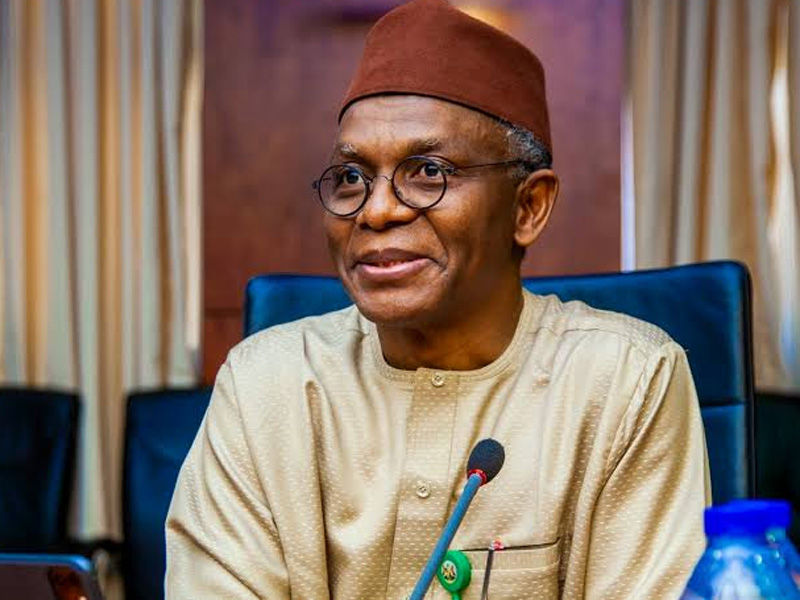
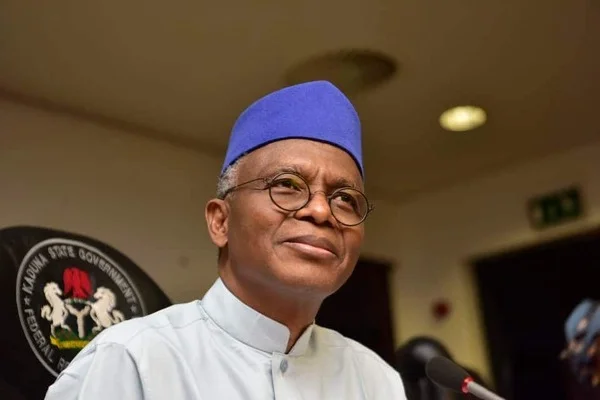
The Department of State Services (DSS) is set to arraign former Kaduna State governor Nasir El-Rufai on February 25, 2026, before the Federal High Court in Abuja over allegations linked to unlawful phone interception and cybercrime-related offences. 
According to court and media reports, the case has been assigned the number FHC/ABJ/CR/99/2026 and will be heard by Justice Joyce Abdulmalik, following assignment by the Chief Judge of the Federal High Court, Justice John Tsoho. 
DSS arraigns El-Rufai February 25 over NSA phone interception, cybercrime in what has quickly become one of the most politically sensitive security-related prosecutions in recent weeks, not only because it involves a former governor, but because the alleged victim named in the filings is the National Security Adviser (NSA), Nuhu Ribadu. 
What the DSS is alleging
Reports say the DSS filed a three-count charge accusing El-Rufai of unlawfully intercepting telephone communications belonging to the NSA, and of conduct the agency argues amounts to cybercrime and a national security breach. 
The prosecution is said to be relying on provisions of the Cybercrimes (Prohibition, Prevention, etc.) Amendment Act, 2024 and the Nigerian Communications Act, 2003. 
In one of the counts highlighted in public reporting, the DSS alleges that El-Rufai, while appearing on Arise TV’s Prime Time programme on February 13, 2026, made statements that the agency interprets as an admission connected to the alleged interception of the NSA’s phone communications. 
DSS arraigns El-Rufai February 25 over NSA phone interception, cybercrime, and another allegation referenced in reports is that he claimed familiarity with someone involved in the alleged interception without reporting the matter to appropriate security authorities. 
A third count reported by some outlets frames the alleged interception as conduct capable of compromising public safety and national security, with “others still at large” referenced in the charge narrative. 
It is essential to note: these are allegations contained in a charge and public reporting. The court process—plea, evidence, and trial—will determine what is proven.
How the February 25 date was fixed
DSS arraigns El-Rufai February 25 over NSA phone interception, cybercrime after the case was formally placed before the Federal High Court system in Abuja and assigned to Justice Abdulmalik. 
The date matters because it marks the start of formal arraignment, when a defendant is brought before the court, the charge is read, and a plea is taken. Depending on how both sides move, February 25 could also feature bail applications, objections to the charge, or requests for time to respond—typical early-stage moves in high-profile criminal proceedings.
https://ogelenews.ng/dss-arraigns-el-rufai-february-25
Context: what El-Rufai has said publicly
Some reports connect the DSS case to remarks made during a televised interview where El-Rufai discussed an alleged attempt to arrest him at the airport and suggested he became aware of security plans through information linked to the NSA’s phone communications. 
That media trail is important because prosecutors often lean on public statements when they believe those statements help establish elements of an offence. Defence teams, on the other hand, often argue that media remarks are being misread, taken out of context, or lack the legal threshold required for criminal liability.
DSS arraigns El-Rufai February 25 over NSA phone interception, cybercrime, and the courtroom will be the first place Nigerians see how both arguments are framed under the Cybercrimes law and communications regulations.
Why this case is politically and legally significant
First, the alleged act—unlawful interception of communications—is not a “social media drama” offence. It sits in the territory of national security, privacy, and telecommunications regulation. 
Second, the fact that the NSA is named in the allegation increases the temperature. Even before trial, public debate tends to harden into camps: those who see prosecution as accountability, and those who see it as political pressure. A serious report has to resist that pull and stick to what the charge says, what the law says, and what the court does.
Third, if the court accepts the prosecution’s framing, the case could set a public precedent on how Nigeria treats alleged unlawful interception in political disputes—especially where statements are made in interviews and then used as a basis for criminal counts. 
DSS arraigns El-Rufai February 25 over NSA phone interception, cybercrime, but the deeper question is whether the judiciary will treat this as a straightforward cybercrime prosecution, or as a complex national security matter requiring heightened evidentiary care.
What to watch on February 25
When DSS arraigns El-Rufai February 25 over NSA phone interception, cybercrime, these are the practical things to watch:
• Arraignment and plea: Does he plead guilty or not guilty?
• Bail status: Is he already on administrative bail, and does the court impose fresh bail terms? (Some reports have referenced multiple agencies in parallel narratives around him in recent days.) 
• Preliminary objections: Does the defence challenge jurisdiction, competence of the charge, or the way the counts are drafted?
• Prosecution readiness: Will DSS seek accelerated hearing given the “security breach” framing?
Bottom line
DSS arraigns El-Rufai February 25 over NSA phone interception, cybercrime after filing a three-count charge that cites Nigeria’s cybercrime and communications laws and ties key allegations to a televised interview. 
The case is now in the court’s hands. On February 25, Nigerians should expect legal process: charges read, plea taken, and the first real glimpse of the prosecution and defence strategies.
DSS arraigns El-Rufai February 25 over NSA phone interception, cybercrime, but the truth of it will not be decided on TV panels or timelines. It will be decided in court.
https://punchng.com/dss-arraigns-el-rufai-february-25-over-nsa-phone-interception-cybercrime