















EFCC returns N1.27bn recovered from Sujimoto firm to Enugu government.
The Economic and Financial Crimes Commission (EFCC) has returned ₦1.27 billion recovered from Sujimoto firm to the Enugu State Government, marking a significant development in Nigeria’s ongoing battle against financial crimes and the recovery of public funds.
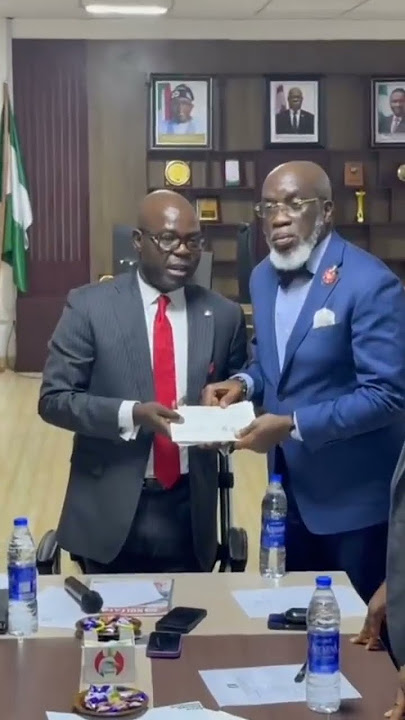
The handover, which took place quietly but carries far-reaching implications, signals a renewed emphasis on restitution rather than mere prosecution, reinforcing the principle that looted or misappropriated public funds must ultimately return to the people they belong to.
The EFCC returns N1.27bn recovered from Sujimoto firm to Enugu government following the conclusion of investigations into financial transactions linked to the real estate company, which had earlier come under scrutiny over alleged contractual and payment irregularities involving state funds.
What Led to the Recovery
According to sources familiar with the matter, the funds were traced to transactions connected to contractual engagements between the Enugu State Government and the Sujimoto Group, a high-profile luxury real estate firm known for premium developments in Lagos and Abuja.
EFCC investigators reportedly uncovered discrepancies in payment structures and fund flows that warranted deeper financial scrutiny. Following investigations, negotiations, and legal processes, the anti-graft agency successfully recovered the sum.
By formally handing over the money, the EFCC returns N1.27bn recovered from Sujimoto firm to Enugu government, closing a key chapter in the case while opening a broader conversation on accountability in state-private sector dealings.
https://ogelenews.ng/efcc-returns-n1-27bn-sujimoto-enugu
EFCC’s Growing Focus on Asset Recovery
In recent years, the EFCC has increasingly prioritised asset recovery as a core strategy in its anti-corruption operations. Rather than focusing solely on high-profile arrests, the commission has emphasised returning stolen or misappropriated funds to their rightful owners.
The decision to ensure that the EFCC returns N1.27bn recovered from Sujimoto firm to Enugu government reflects this evolving philosophy. Officials say the move strengthens public confidence in the agency’s work and sends a clear message that corruption will not pay.
An EFCC official, speaking on condition of anonymity, described the recovery as “a win for taxpayers,” noting that the ultimate goal of anti-corruption efforts is to restore value to affected communities.
Enugu Government Reacts
The Enugu State Government has welcomed the development, describing it as a positive step toward fiscal accountability and transparency.
State officials confirmed receipt of the funds and said the money would be channelled into priority sectors, including infrastructure, healthcare, and social services. The government stressed that the recovery underscores the importance of due diligence in public procurement and partnerships with private firms.
With the EFCC returns N1.27bn recovered from Sujimoto firm to Enugu government, Enugu joins a growing list of states that have benefited from recovered funds returned through federal anti-corruption agencies.
Implications for Private Sector Accountability
The case has also reignited debate about private sector accountability in government contracts. While public officials often bear the brunt of corruption allegations, analysts argue that private firms involved in questionable transactions must also be held to high ethical standards.
Financial experts say the fact that the EFCC returns N1.27bn recovered from Sujimoto firm to Enugu government should prompt companies operating in the public sector space to strengthen compliance mechanisms and internal controls.
“This sends a signal that luxury branding or corporate visibility does not place any firm above scrutiny,” a Lagos-based anti-corruption analyst noted.
Sujimoto Firm and Public Attention
Sujimoto Group has previously attracted both admiration and controversy due to its bold branding, premium developments, and outspoken leadership. While the firm has not publicly admitted wrongdoing in this matter, the recovery of funds has drawn renewed public attention to its dealings with government entities.
The development further reinforces why transparency in contract execution and payment processes remains critical, particularly when large sums of public money are involved.
As the EFCC returns N1.27bn recovered from Sujimoto firm to Enugu government, observers say the outcome may encourage other states to revisit past contracts and strengthen oversight frameworks.
A Broader Anti-Corruption Signal
Beyond Enugu State, the recovery has national significance. It highlights how recovered funds can directly support governance and development when properly returned and utilised.
Civil society groups have applauded the move, calling on authorities to publish clear utilisation plans for recovered assets to ensure accountability and public trust.
They argue that every time the EFCC returns N1.27bn recovered from Sujimoto firm to Enugu government, or similar sums to other states, Nigerians should be able to track how those funds are reinvested into public good.
What Comes Next
While the recovery marks progress, experts caution that sustained impact depends on prevention. Stronger procurement processes, transparent payment systems, and regular audits are needed to reduce the likelihood of similar cases in the future.
For now, the fact that the EFCC returns N1.27bn recovered from Sujimoto firm to Enugu government stands as a reminder that anti-corruption efforts can produce tangible benefits when institutions function as intended.
As Nigeria continues to grapple with fiscal pressures and development needs, the recovery and return of public funds remain a critical pillar of rebuilding trust between government and citizens.