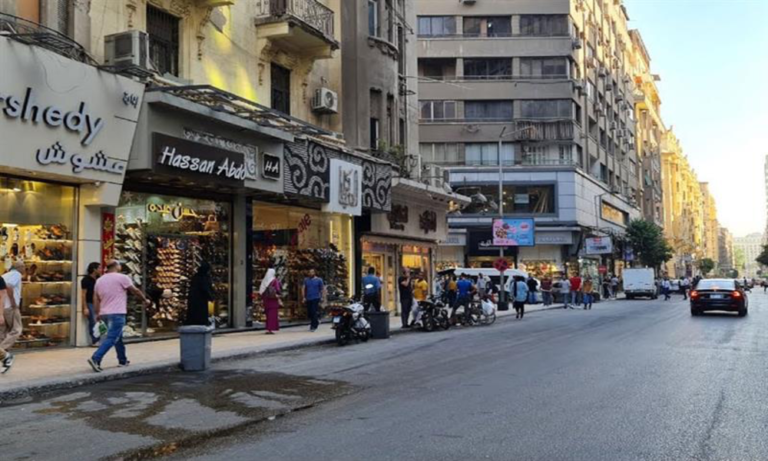

















Egypt imposes business curfew
Egypt has moved to shut businesses earlier in a bid to contain rising energy pressure, as the government grapples with a sharp jump in fuel import costs and wider strain on public finances. The development behind the phrase Egypt imposes business curfew is, in practical terms, a government order for earlier closing hours for commercial establishments, part of a package of energy-saving steps introduced after the country’s import bill surged. 
According to Reuters, Egypt’s energy import bill has more than doubled following the recent surge in global fuel prices. Prime Minister Mostafa Madbouly said the cost of natural gas imports alone had jumped from about $560 million to $1.65 billion per month, while higher crude, diesel and liquefied petroleum gas prices added more pressure to state spending. In that context, the idea that Egypt imposes business curfew is really about forcing earlier closing times to cut electricity use and reduce pressure on the economy. 
The measure is expected to take effect from March 28, 2026, according to Reuters, while Egypt Independent reported that the government would begin implementing new closing times with shops shutting after 9 p.m. as part of its conservation plan. Reuters also said the government was considering wider energy-saving steps, including possible remote work policies across public and private sectors. That means the story is bigger than shop hours. When people say Egypt imposes business curfew, they are pointing to a broader effort to ration energy use without openly calling it rationing. 
The background to this decision is not hard to find. Egypt has been under pressure from declining domestic gas production, rising import dependence, heavy debt burdens and stubborn inflation. Reuters reported that domestic natural gas output has been falling since its 2021 peak, leaving the country more exposed to international price shocks. The Institute of International Finance also warned that higher oil prices could push Egypt’s spending up by 0.2% to 0.55% of GDP. So when Egypt imposes business curfew, it is not acting from comfort. It is acting from economic necessity. 
This is also not the first time Cairo has turned to early closures as an energy-saving tool. Egypt Independent reported in June 2024 that the government had earlier ordered most shops to close at 10 p.m. to rationalise electricity consumption during a period of power strain. That earlier measure was tied to reducing outages and managing costly fuel needs. The current move appears harsher because the pressure is sharper, and because energy costs have risen in a far more tense regional environment. That history matters because it shows that Egypt imposes business curfew is not an isolated act. It is part of a pattern of emergency-style economic management. 
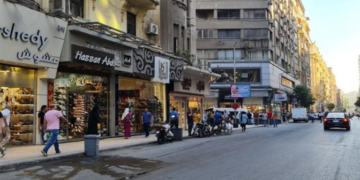
For ordinary Egyptians, the consequences will likely go beyond shorter trading hours. Earlier closures can cut sales for retailers, restaurants, malls and cafes, especially businesses that depend on evening customers. Staff shifts may shrink. Informal workers may lose income. Transport patterns may change. While the government’s immediate goal is to save energy, the burden will be felt on the high street. In that sense, the phrase Egypt imposes business curfew captures the disruption, even if it is not technically the most precise label. The economic pain behind the measure is real. That is a grounded inference from the sectors affected by the order and the import-cost data reported by Reuters and Egypt Independent. 
https://ogelenews.ng/egypt-imposes-business-curfew-soaring-fuel-costs
There is also a political layer to this. Governments rarely like announcing that they are under pressure from events they cannot fully control. But Egypt’s response shows how vulnerable import-dependent economies can become when global energy prices jump and regional tensions push costs higher. Reuters reported that the latest surge was linked to the broader energy turbulence around the U.S.-Israeli war with Iran and disruption fears in the region. So while Egypt imposes business curfew may sound like a domestic administrative order, the roots of the decision are clearly international. 
What makes this story especially important is that it sits at the intersection of energy, inflation and public confidence. Fuel shocks do not stay in one corner of the economy. They spill into transport, food, business costs and household budgets. Egypt Independent reported that the government had already adjusted fuel prices earlier in March under what it called “exceptional circumstances.” Once that happens, energy-saving restrictions become both a financial and political signal. It tells citizens the state is trying to contain damage, but it also tells them the pressure is serious. That is the real meaning behind Egypt imposes business curfew. 
In newsroom terms, then, the strongest framing is not to sensationalise the policy, but to explain it plainly. Egypt is facing a steep rise in fuel and energy import costs. The government has ordered earlier business closures and is weighing remote work to reduce electricity demand. The policy may help manage immediate costs, but it also risks hurting already strained businesses and consumers. That is the balance any fair report must strike. And that is why Egypt imposes business curfew works best as a headline only when the story beneath it is precise.
Bottom line
What Egypt has announced is less a curfew in the classic sense than an economic stress response. But however it is labelled, the message is the same: energy costs are biting hard enough that Cairo now wants businesses to go dark earlier.
https://english.aawsat.com/business/5255933-egypt-imposes-business-curfew-counter-soaring-fuel-costs