
















elderly Nigerians
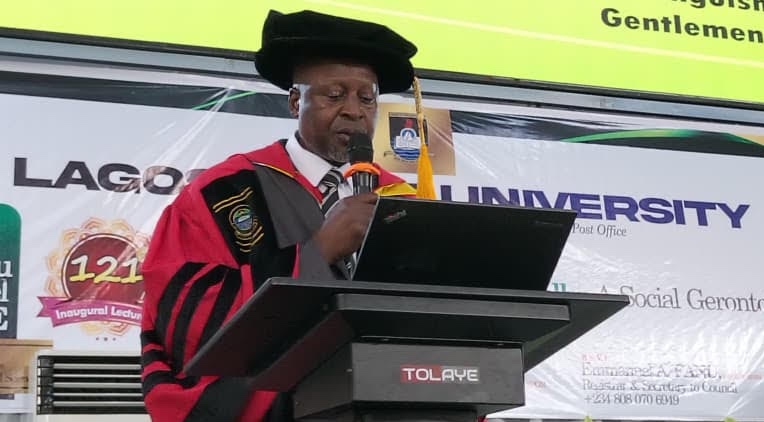
A Professor of Social Gerontology, Gender and Development Studies at Lagos State University, Olanrewaju Ajiboye, has warned that about 25 million elderly Nigerians could face poverty and inadequate support by 2050 if Nigeria fails to strengthen its social protection system.
Ajiboye gave the warning while delivering his inaugural lecture titled, “That We May Age Gracefully: A Social Gerontologist’s X-ray of Later Life,” at Lagos State University. He said Nigeria’s ageing population is rising steadily, but the country is not yet prepared to care for older citizens through reliable pensions, healthcare, welfare support and community-based services.
According to him, Nigeria currently has more than 14.8 million people aged 60 and above, representing about five per cent of the population. That figure is expected to rise sharply in the coming decades. By 2050, he warned, the population of older persons could rise to about 25 million, with many already exposed to poverty, neglect and weak family support.
The warning about elderly Nigerians comes at a difficult economic period, with inflation, food prices and weak household income putting pressure on millions of families. Ajiboye said rising inflation, especially food inflation, has reduced the purchasing power of older citizens and made them more vulnerable.
This is a serious national concern because many elderly Nigerians do not have stable pensions or formal welfare protection. In many cases, older citizens depend on children, relatives, petty trading, charity or religious groups for survival. But that traditional support system is weakening as younger family members also struggle with unemployment, rising rent, school fees, transport costs and food prices.
Ajiboye argued that ageing in Nigeria is happening against a background of poverty, economic hardship and major changes in the extended family system. In the past, many older people were supported by children and relatives. Today, migration, urban pressure, unemployment and economic hardship have made that arrangement less reliable.
The problem is worse in rural communities, where many elderly Nigerians have limited access to good hospitals, steady income, transport, clean water and social services. Rural elderly citizens are often left behind because many of their children have moved to cities or abroad in search of work.
The concern also fits into wider research on Nigeria’s ageing population. A 2025 study on ageing, poverty and healthcare access noted that Nigeria’s population aged 60 and above is projected to increase to about 25 million by 2050. The study also highlighted healthcare access and affordability as major challenges for older people in the country.
https://ogelenews.ng/25m-elderly-nigerians-face-poverty-risk-by-2050-las…
Nigeria’s welfare gap is also clear in pension coverage. A 2025 report by The Guardian, citing stakeholders on senior citizens’ welfare, said only about four per cent of older persons in Nigeria have access to formal pension coverage. That means the majority of elderly Nigerians may enter old age without dependable income support.
This is why Ajiboye’s warning should not be treated as an academic statement alone. It is a policy alarm. If Nigeria does not act early, the country may face a future where millions of older citizens are alive, but unable to live with dignity.
The issue is also linked to healthcare. Older people are more likely to require regular treatment for age-related conditions, including hypertension, diabetes, arthritis, poor eyesight, mobility challenges and other chronic illnesses. Without health insurance, many elderly Nigerians pay out of pocket or simply avoid treatment until their conditions worsen.
Nigeria Health Watch has also warned that older citizens need stronger inclusion in health sector reforms, especially under the National Health Insurance Authority framework. It noted the need for health insurance expansion, long-term care and chronic disease management for older persons.
For ordinary families, the burden is already visible. When an elderly parent has no pension, no savings and no health coverage, the responsibility often falls on children who are also trying to survive. This creates a cycle where younger Nigerians support parents, siblings and children at the same time, leaving very little room for savings or investment.
The warning about elderly Nigerians should therefore push government at all levels to review how Nigeria treats older citizens. The country needs stronger pension coverage, proper implementation of senior citizens’ laws, affordable healthcare, community care centres, food support for vulnerable older persons and better data on ageing.
States also have a major role to play. It is not enough for the Federal Government to speak about social protection. State governments must identify vulnerable older citizens, create support systems, fund primary healthcare and domesticate policies that protect senior citizens.
The private sector, religious groups, civil society and communities also have roles, but the responsibility cannot be left to charity alone. Ageing is not an emergency that appears suddenly. It is a predictable stage of life. That means the country has time to plan, but only if leaders take the warning seriously.
By 2050, today’s young and middle-aged Nigerians will become part of the older population. The welfare of elderly Nigerians is not just about old people today. It is about the kind of country everyone is ageing into.
Ajiboye’s message is simple: Nigeria must prepare now. If it fails to do so, millions of elderly Nigerians may spend their later years battling poverty, poor healthcare, neglect and social abandonment.
https://punchng.com/25m-elderly-nigerians-face-poverty-risk-by-2050-lasu-don-warns