



















Electoral Act 2026
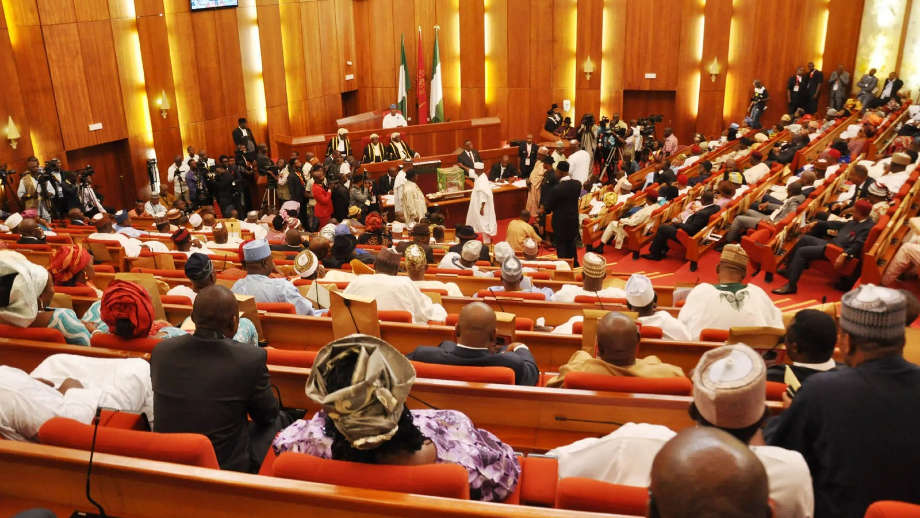
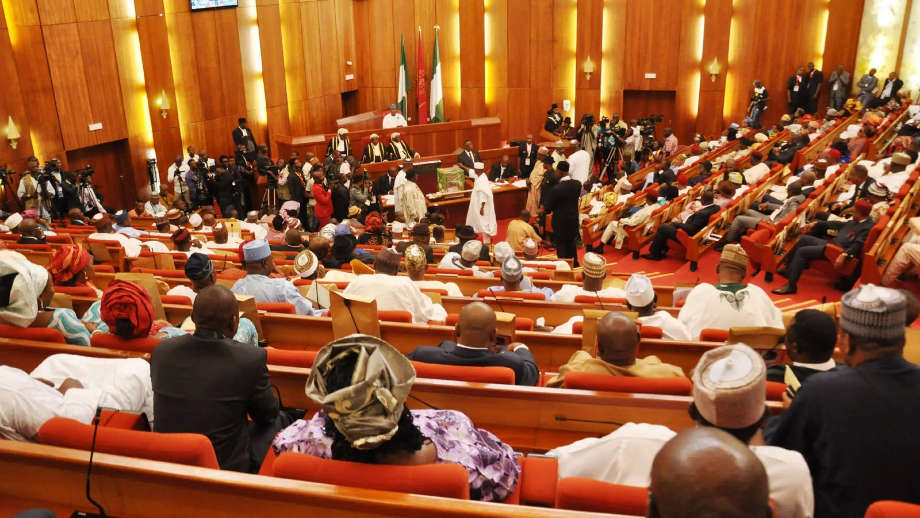
ABUJA — In a development that has reshaped the national conversation on electoral integrity, the Senate has passed the Electoral Act Amendment Bill 2026 with several key alterations to Nigeria’s electoral framework ahead of the 2027 general elections. The action comes after prolonged debates, closed-door committee sessions, and stark disagreements among lawmakers, civil society organisations and political stakeholders.
The amendments touch on critical areas of the electoral process, including result transmission protocols, voter identification, election timelines, and penalties for electoral offences. As the nation prepares for what many consider the most consequential polls in Nigerian history, the 2026 Electoral Act revisions carry implications for transparency, voter confidence, and the conduct of elections across the federation,Electoral Act 2026.
Key Change 1: Electronic Transmission of Results
One of the most contentious elements of the reform package was the clause on electronic transmission of election results. Civil society groups and some lawmakers had argued for a mandatory real-time electronic transmission of results from polling units directly to the Independent National Electoral Commission’s (INEC) central portal known as IReV. Proponents said that live result dashboards would curb manipulation and strengthen public trust in outcomes.
In the final version of the 2026 Electoral Act, however, the Senate rejected the specific proposal to make real-time electronic transmission compulsory. Instead, lawmakers chose to retain the existing provision from the 2022 Electoral Act that allows results to be transmitted electronically “in a manner as prescribed by the Commission,” without the automatic real-time upload from polling units,Electoral Act 2026.
Senate President Godswill Akpabio defended the decision, saying the wording in the act still accommodates electronic transmission and that misleading interpretations of the change were circulating online. He said the method retained under the law aligns with the system used in earlier elections.
Opposition parties and election integrity advocates, including the Peoples Democratic Party (PDP) and activists, condemned the move as a setback for electoral transparency and accused the Senate of backing away from a key democratic reform.
Key Change 2: Voter Accreditation and Identification
The amended Electoral Act also revisits technology used in voter accreditation. The Senate confirmed the continued use of the Bimodal Voter Accreditation System (BVAS) for authentication at polling units. While earlier proposals sought to expand the forms of acceptable digital identification—potentially including downloadable digital cards or alternative biometric credentials—the Senate opted to preserve the Permanent Voter Card (PVC) as the mandatory primary means of voter identification.
The decision effectively rules out the broader digital identification alternatives and cements BVAS and PVCs as the foundation of accredited voting. Critics had argued the changes could slow identification processes in rural areas, but supporters said sticking with established protocols ensures minimal disruption on election day.
Key Change 3: Election Timelines Cut Significantly
Among the notable amendments that experts predict will alter election preparations nationwide are changes to electoral timelines. The notice period during which INEC must announce an election was cut from 360 days to 180 days. Similarly, political parties are now required to submit their candidates’ lists no later than 90 days before elections, down from the previous 120-day requirement,Electoral Act 2026.
This compression of timelines aims to tighten the campaign schedule and could increase the pace at which parties organise primaries, settle internal disputes, and finalise candidate selections. Electoral legal specialists believe the shorter notice period could accelerate strategic planning but also raise concerns about squeezed legal timelines for pre-election litigation.
https://ogelenews.ng/electoral-act-2026-amendments
Key Change 4: Stiffer Penalties for Electoral Offences
In an effort to deter malpractice, lawmakers strengthened penalties tied to electoral offences. For example, the fine for unlawful possession or trade in Permanent Voter Cards was raised sharply from N500,000 to N5 million. The Senate also rejected a proposed 10-year jail term for PVC traders, maintaining a two-year imprisonment term while boosting fines,Electoral Act 2026.
While some civil rights groups argued for steeper sanctions to match the severity of electoral fraud, Senate leaders maintained that the revised fines strike a balance between deterrence and judicial fairness.
Reaction from Stakeholders
Responses to the Senate’s amendments have followed predictable partisan and civic divides. Democratic organisations and opposition parties have condemned the move to withhold mandatory real-time electronic transmission of results, saying it undermines efforts to reduce fraud. The Civil Society Situation Room, among others, warned that delay or dilution of reforms could weaken public confidence in the 2027 polls.
INEC, for its part, has urged lawmakers to conclude the amendment process without further delay, noting that the commission has already finished its election timetable and schedule in readiness for 2027 but cannot release it until the legal framework is settled,Electoral Act 2026.
Looking Ahead
With passage of the Electoral Act 2026 amendment, the bill now moves to the consideration of a conference committee before being sent to the president for assent. Lawmakers say they intend to complete the process swiftly to give INEC and political parties enough lead time to prepare for elections next year.
Yet the debate over key clauses underscores persistent tensions between technological reformers and political pragmatists in Nigeria’s democracy. Whether this version of the Electoral Act strengthens or weakens electoral integrity will be tested in the coming months as the campaign season kicks off,Electoral Act 2026.
Electoral Act 2026.