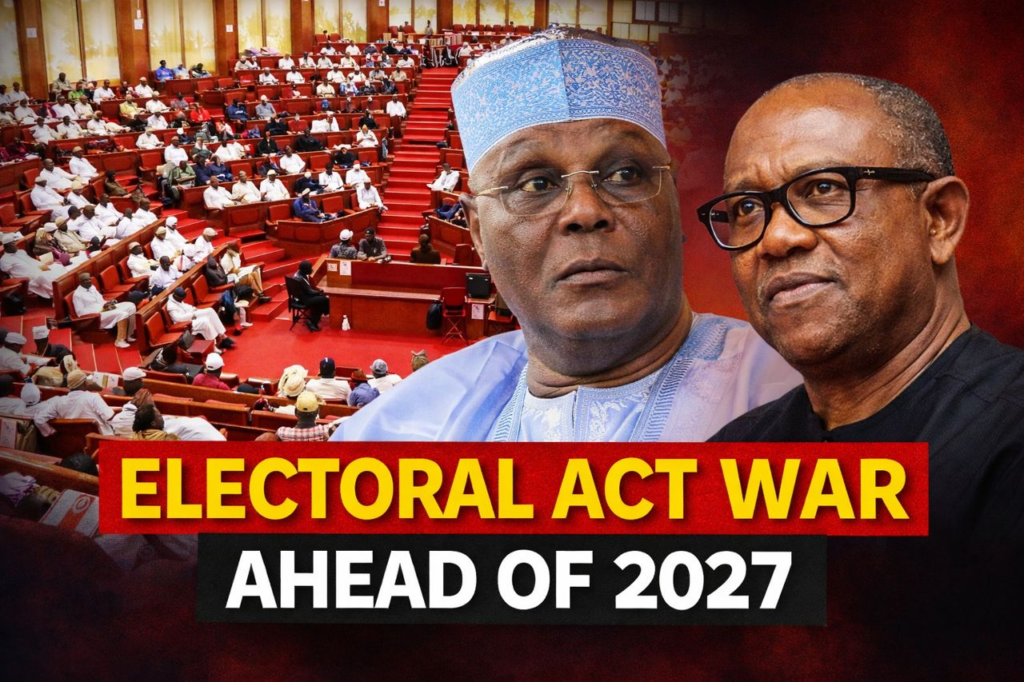

















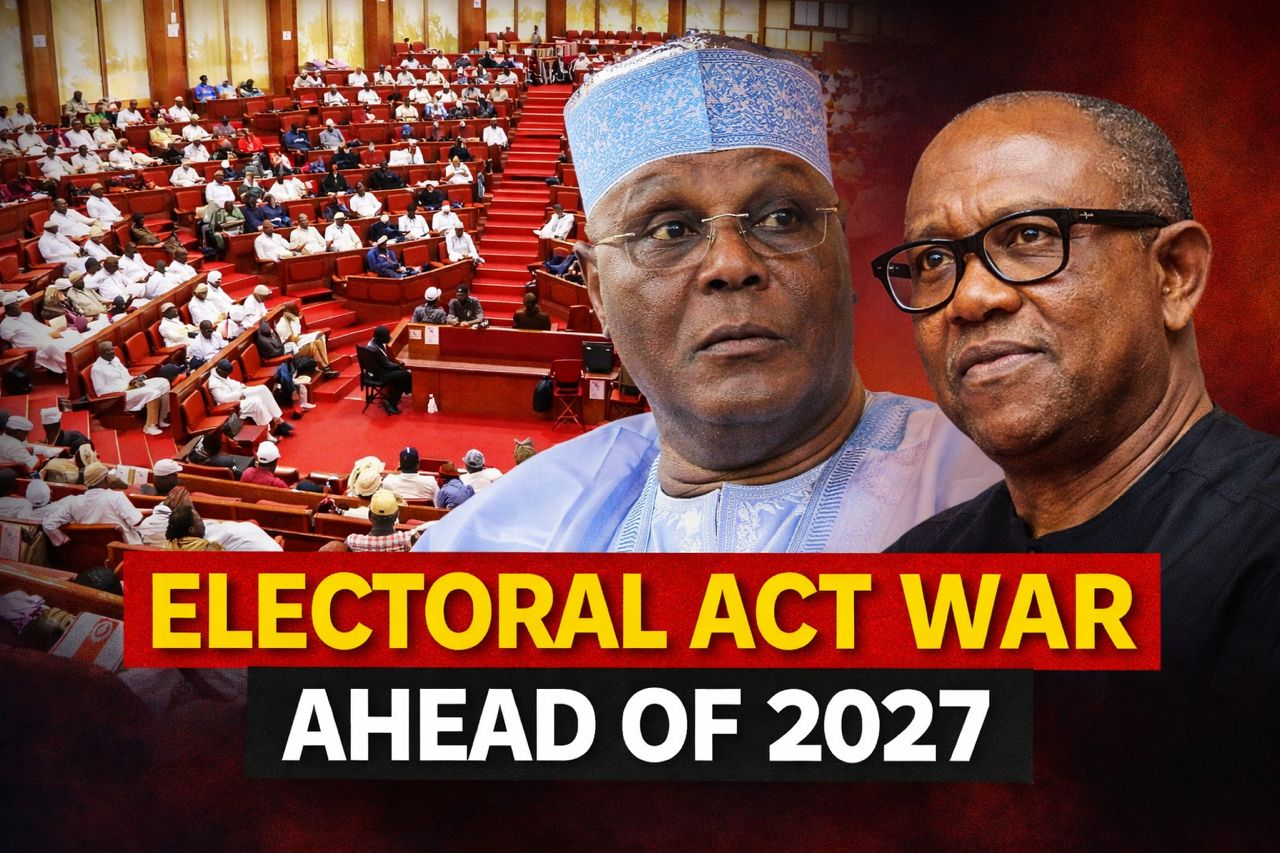
Electoral Act 2026: Senate rejects fresh amendment demand

Nigeria’s political fault lines over the Electoral Act 2026 widened on Thursday after major opposition figures renewed pressure on the National Assembly to immediately amend the new law, warning that some provisions could damage internal party democracy and distort the playing field ahead of the 2027 general elections.
But the Senate pushed back, rejecting the demand for an “immediate” amendment and urging the opposition to route its complaints through the formal legislative process rather than public agitation.
The dispute centres on the amendments contained in the Electoral Act 2026, recently passed by the National Assembly and signed by President Bola Tinubu, which opposition leaders say changes the rules of party nominations and election administration in ways that could favour incumbents.
Opposition’s core argument: “anti-democratic provisions”
At a press conference in Abuja, leaders drawn from opposition blocs, including the African Democratic Congress (ADC) and the New Nigeria Peoples Party (NNPP), demanded what they called urgent cleanup of “objectionable” parts of the Electoral Act 2026.
Speaking for the group, NNPP National Chairman Ajuji Ahmed argued that the disputed provisions should be expunged without delay, describing the new framework as unfair to opposition parties and potentially destabilising for credible elections.
The opposition’s headline complaint is the change to nomination methods. Under the previous framework, parties could choose among direct primaries, indirect primaries through delegates, or consensus. The new Electoral Act 2026 model, according to the opposition, narrows options by effectively restricting parties to direct primaries and consensus arrangements.
To opposition leaders, that restriction is not a neutral reform. They say it amounts to interference in the internal affairs of parties and could create fresh logistical and financial burdens, especially for parties with nationwide membership registers that are disputed or still evolving.
What else changed in the Electoral Act 2026
Beyond primaries, opposition parties also pointed to compressed timelines. Reports on the Electoral Act 2026 dispute indicate that campaign periods and time windows for primaries were shortened, raising concerns that the new schedule could squeeze smaller parties and favour those already entrenched with resources and structures.
Another sensitive flashpoint is election management funding. The opposition argues that the Electoral Act 2026 framework changes how early INEC receives election funds, with money to be released six months before elections rather than the previous 12 months, a shift they say could undermine preparation and institutional independence.
These concerns landed in the open at a time INEC is already facing public scrutiny over election timetables and sensitive calendar issues, making the broader Electoral Act 2026 controversy more politically combustible.
https://ogelenews.ng/electoral-act-2026-senate-rejects-fresh-amendment
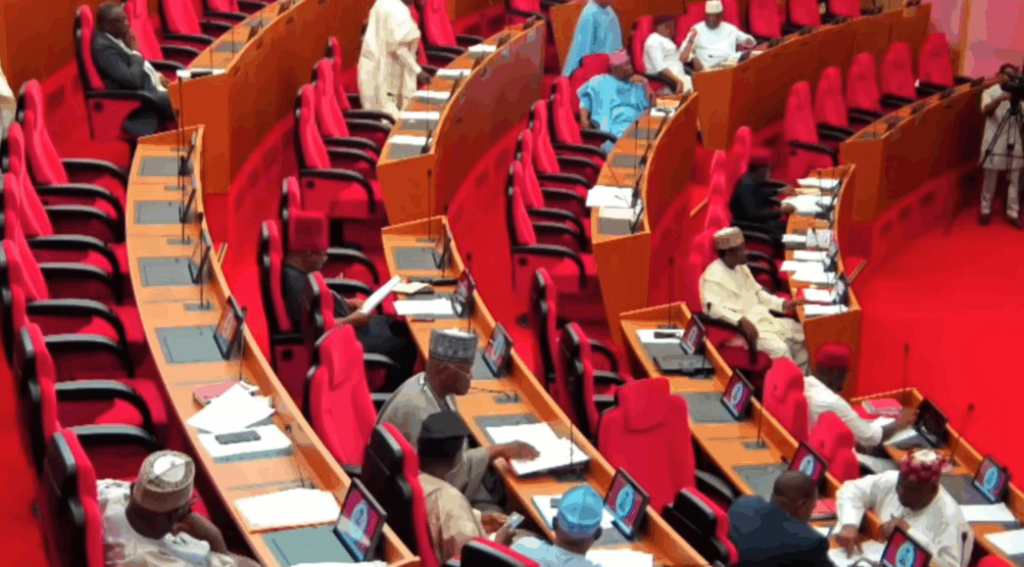
Senate’s response: take it to the legislature
The Senate’s message was blunt: public pressure cannot replace due process. Lawmakers advised opposition figures — including Atiku Abubakar, Peter Obi, and Rotimi Amaechi — to pursue their concerns through the National Assembly’s established mechanisms.
That means: draft a bill, sponsor it, subject it to debate, committee scrutiny, public hearing, harmonisation between chambers, and then seek assent. In other words, the Senate is not rejecting debate about the Electoral Act 2026; it is rejecting the demand for an instant reversal outside the legislative workflow.
Presidency and APC allies push back on the pushback
While the Senate held the line on procedure, the Presidency also reacted publicly, framing the opposition’s protests as political theatre and urging them to stop what it described as constant outrage over reforms.
This counter-response signals that the Electoral Act 2026 fight is shaping into an early 2027 battleground, with both sides trying to set the narrative: opposition leaders say the rules are being rewritten against them; the government side says the reforms are legitimate and complaints should follow legal channels.
What this means heading into 2027
The truth is, fights over election rules are rarely just about legal text. They are about power, trust, and fear of manipulation. The Electoral Act 2026 controversy has now pulled in key political actors across party lines and regions, which suggests the matter will not fade quickly.
If the opposition follows through with legislative action, Nigeria could be headed for another round of heated hearings and political bargaining over what internal party democracy should look like in practice: delegate-based selection, mass-member voting, or elite consensus. Each method has winners and losers, and the Electoral Act 2026 appears to have reopened that debate in a big way.
For now, the Senate has drawn a line: no rushed amendment. The opposition has also drawn its own: the Electoral Act 2026 must be revisited. The next phase will likely be fought in committees, courtrooms, and the public arena as the 2027 clock keeps ticking.
https://punchng.com/electoral-act-senate-rejects-fresh-amendment-as-atiku-obi-amaechi-push-back/
Electoral Act 2026: Senate rejects fresh amendment demand