
















Electoral Act Nigeria not ready for real-time voting transparency not guaranteed Dickson
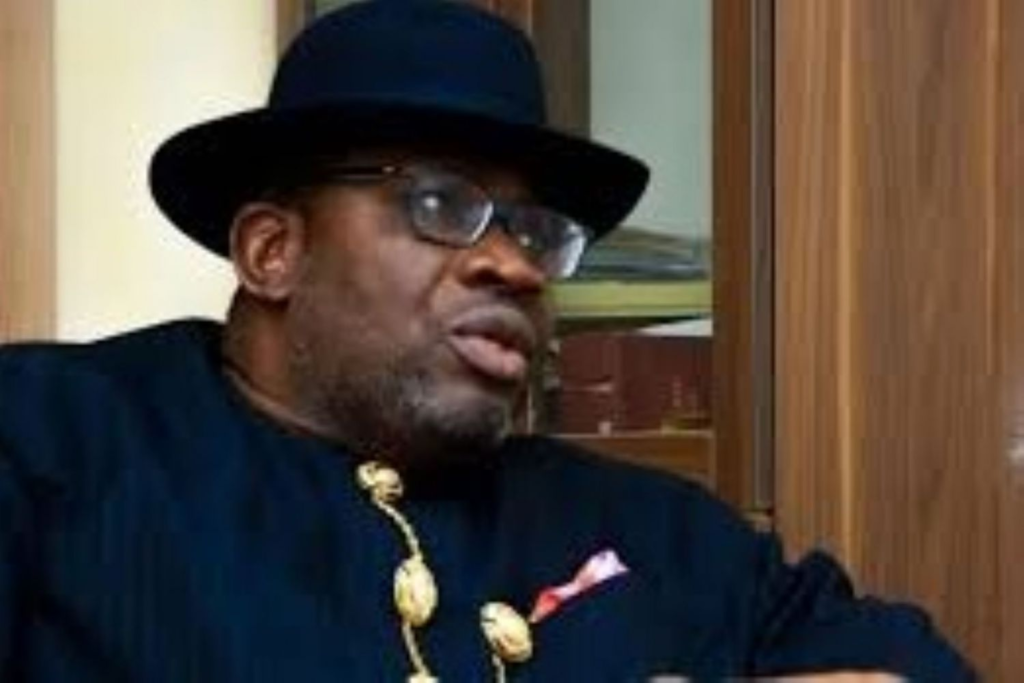
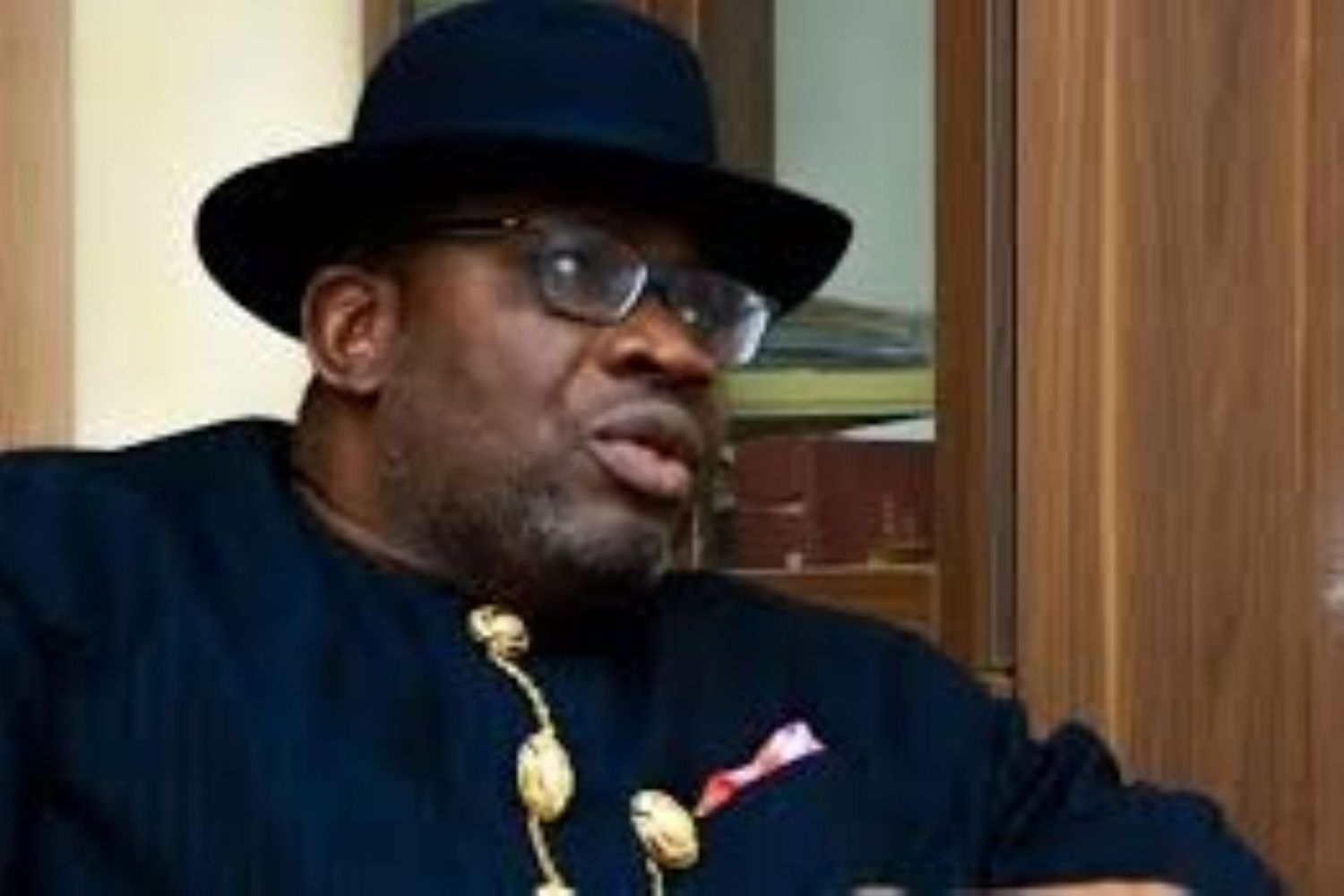
Senator Seriake Dickson, a member of the Senate Committee on Electoral Matters, has said that Nigeria is not yet ready for real-time voting and that the insistence on “real-time” electronic transmission of election results does not guarantee transparency in the country’s electoral process. Dickson’s comments come amid intense debate over the ongoing amendment of the Electoral Act and the proper way to embed electronic transmission of results into law ahead of the 2027 general elections. 
Speaking in an interview on ARISE News on Tuesday, the former Bayelsa State governor and incumbent senator representing Bayelsa West said that real-time transmission — often described as instantaneous upload of results from polling units directly to a central portal — is being widely misunderstood and that Nigeria’s current electoral infrastructure and conditions do not support it as a standalone guarantee of transparency. 
“What is the meaning of real time? We are not voting electronically in Nigeria. We are not at the point where you go and press a button and your vote is instantly added to a portal,” Dickson said, arguing that the term “real-time” was “superfluous” and that it did not, by itself, ensure electoral transparency. Electoral Act Nigeria not ready for real-time voting transparency
Dickson’s remarks contribute to the ongoing dispute over how Nigeria’s electoral laws should regulate technology and result transmission. At issue is whether real-time electronic transmission should be made mandatory in the new Electoral Act or whether it should be included with provisions that allow for manual collation and fallback in areas where technology or network coverage is unreliable. 
Senate Compromise on Real-Time Voting Provision
The backdrop to Dickson’s comments is the recent emergency plenary session of the Senate, where lawmakers reviewed Clause 60(3) of the Electoral Act (Repeal and Reenactment) Bill, 2026. Faced with public pushback and protests, the upper chamber adjusted its earlier position to approve electronic transmission of results while still retaining manual collation as a backup where network or technical issues arise. 
Under the amendment approved earlier this week, presiding officers at polling units are directed to electronically transmit results to the Independent National Electoral Commission’s Result Viewing Portal (IREV). However, in areas where electronic transmission fails due to limited coverage or infrastructure challenges, manual processes and physical forms remain authorised. Critics argue this hybrid approach could weaken the impact of technology and expose the system to manipulation. 
Senator Dickson defended the Senate’s compromise, saying that excluding the phrase “real time” did not weaken the law’s intent but instead acknowledged Nigeria’s current readiness. “You make gains incrementally, and we have made electronic transfer mandatory. That is progress,” he said. 
Dickson also emphasised that transparency in elections is not solely a matter of how fast results are uploaded, but how secure and verifiable the entire process is — from voter accreditation and counting to collation and publication. He argued that a legal framework must reflect practical realities, including connectivity challenges in remote areas, rather than insisting on ideal but potentially unattainable standards. 
Public and Political Reactions
Dickson’s stance has drawn mixed reactions from stakeholders across the political spectrum.
Opposition figures, civil society groups and advocacy organisations have criticised the Senate’s approach, asserting that mandating real-time electronic transmission is a key safeguard against manipulation and fraud, and that Nigeria’s public demand for stronger transparency measures cannot be dismissed. 
Former Vice President Atiku Abubakar urged opposition parties to unite in advocating for a legal framework that insists on electronic transmission from polling units, warning that a hybrid system might lead to “confusion or chaos” and undermine credibility. 
Civil society voices, including election observers and activists, argue that technologies such as the BVAS (Bimodal Voter Accreditation System) used in recent elections were capable of transmitting results without major issues, and that legislative backing for such electronic processes is overdue. Critics claim that network challenges are often overstated and that legal requirements for real-time upload would create the incentive to improve infrastructure. 
https://ogelenews.ng/electoral-act-nigeria-not-ready-for-real-time-votin…

What “Not Ready for Real-Time Voting” Means
When Dickson says Nigeria is not ready for real-time voting, he is pointing to systemic constraints such as inconsistent power supply, uneven network coverage and the lack of full digital voting mechanisms — Nigeria does not yet operate an online ballot casting system where votes are recorded and transmitted directly from polling units without manual forms. 
Experts have noted that while technologies like BVAS can connect to the IREV portal, the current legal framework and logistical infrastructure are not uniformly robust across all 176,974 polling units nationwide. Until these practical gaps are addressed, insisting on compulsory real-time provisions could leave parts of the country disenfranchised by law. 
Why It Matters for 2027
The debate over real-time voting and transparency resonates deeply because the 2027 general elections are approaching and public confidence in the electoral process remains fragile. The controversy highlights a broader question about how best to balance technological progress with legal clarity and ground realities.
For the government and lawmakers, the challenge is to craft legal provisions that improve transparency without disenfranchising voters in areas with limited infrastructure. For civil society and opposition parties, the fight continues for what they see as meaningful electoral reform that aligns with international standards and public expectations.
Whether the Senate’s compromise and Dickson’s stance will satisfy Nigerians — or fuel further calls for electoral reform — remains to be seen. What is clear is that the conversation around electronic voting, real-time transmission and transparency will continue to be a defining issue for Nigeria’s democratic evolution as the 2027 polls draw near.