















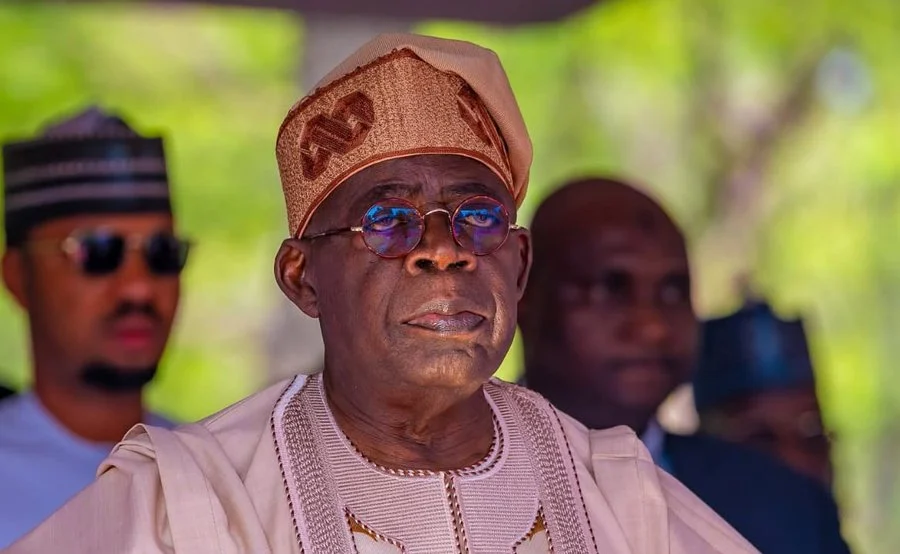
Exiled Benin opposition leader seeks Tinubu’s intervention
An exiled opposition leader from the Republic of Benin has made a public appeal to President Bola Tinubu of Nigeria for urgent diplomatic intervention, warning that Benin risks sliding into deeper unrest or even civil conflict unless inclusive political dialogue is convened to resolve ongoing tensions. The appeal, delivered in a letter dated January 26, 2026, reflects mounting concern over political exclusion and alleged repression in Benin’s fractured democratic environment. 
Romaric Boco, the Special Envoy of Les Démocrates for International Mobilisation and Regional Dialogue and a senior figure in the opposition movement, penned the missive from exile in Europe, where he has lived for months amid fears for his safety. Les Démocrates is a major opposition party in Benin led by former President Boni Yayi. Boco’s letter — obtained by media platforms in Abuja — underscores what he describes as systematic marginalisation and persecution of opposition figures in Benin’s political arena. 
“In Benin today there is an alarming pattern: opposition leaders remain imprisoned since the failed coup of December 7, others have been assassinated, and my wife was arrested simply because authorities could not locate me at my residence,” Boco wrote. He appealed to President Tinubu to leverage Nigeria’s influence in West African politics to prevent a deeper crisis in Benin and restore a fair political process. 
Context: Coup Attempt and Political Exclusion
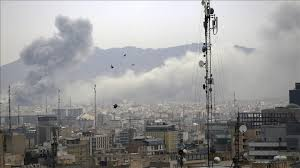
The backdrop to Boco’s plea is a military uprising in Benin on December 7, 2025, when a group calling themselves the Military Committee for Refoundation briefly seized key strategic locations in Cotonou, including the state television station. They announced the removal of President Patrice Talon, the dissolution of institutions and the suspension of the constitution. However, loyal government forces regained control within hours, with support from external partners. 
Nigeria played a prominent role in helping to quell that uprising. Following the breakdown of normal order, President Tinubu ordered support for Benin’s constitutional government, deploying military assets to support loyal forces as part of a peacekeeping operation backed by the Economic Community of West African States (ECOWAS). Nigeria’s involvement was later endorsed by its Senate, which granted formal approval for troop deployment after the initial intervention. 
Boco’s letter charges that this volatile environment — capped by a perceived manipulation of the political space — threatens the very fabric of Benin’s democratic order. He noted that the legislative elections on January 11, 2026 produced a National Assembly composed entirely of pro-government deputies, and that opposition parties have been sidelined or excluded entirely from the April 2026 presidential election cycle. According to him, such political shutdowns fuel disenfranchisement and risk deeper violence if left unchecked. 
https://ogelenews.ng/exiled-benin-opposition-leader-seeks-tinubu
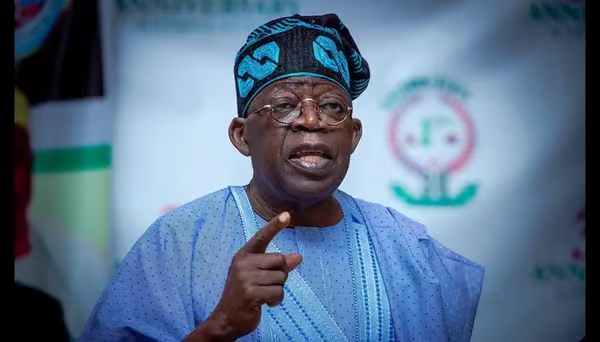
Boco’s Appeal to Tinubu and Call for Dialogue
In his appeal, Boco asked President Tinubu to help convene an inclusive national political dialogue in Benin that would bring together government, opposition, civil society, and regional stakeholders in West Africa. He argued that Nigeria’s leadership position — both as Africa’s most populous nation and a key member of ECOWAS — is critical in brokering peaceful outcomes in neighbouring democratic crises. 
“Your Excellency, I humbly and respectfully request a personal audience at your earliest convenience,” Boco wrote, stressing the importance of Nigerian support in arranging meetings with key state governors and policymakers to support mediation. “Your commitment to Benin’s democracy will be etched in our memory when constitutional order is restored. Nigerian solidarity can prevent chaos and preserve West African stability.” 
The envoy’s plea highlights how Nigeria’s regional role — especially under President Tinubu — has expanded beyond domestic governance into peace and security leadership across West Africa. Nigeria’s military action in Benin, alongside diplomatic engagement, is part of broader efforts to counter unconstitutional changes of government in the region and uphold democratic norms. 
Political Implications and Regional Dynamics
Benin’s political environment has become increasingly fraught. Critics argue that actions by President Talon’s government — including the arrest of opposition figures and the exclusion of alternative candidates from electoral processes — reflect an erosion of political pluralism. Analysts warn that sidelining legitimate dissent can create fertile ground for instability, even in countries once celebrated for smooth democratic transitions. 
Opposition figures say that preventing a small group from contesting elections or expressing dissent does not strengthen democracy but rather ensures that any dissent bubbles under the surface until it erupts violently. This sentiment aligns with reactions from legal experts and human rights advocates who have criticised recent political developments in the wider West African context, where political exclusion and restricted civic space have emerged as risk factors for instability. 
Regional leaders within ECOWAS have repeatedly emphasised the importance of inclusive political processes in sustaining democratic stability. Nigeria, as one of the region’s dominant powers, has been urged to lead efforts to reconcile competing factions and ensure citizens everywhere have a genuine voice in their political system. Boco’s letter places that very challenge before President Tinubu, urging intervention to stave off further polarization and potential conflict. 
Why This Matters for West Africa
The situation in Benin illustrates a broader challenge facing West African democracies: how to manage political competition, ensure fair representation, and avoid cycles of exclusion that can feed instability. The request to President Tinubu underscores the belief that Nigeria’s involvement could be instrumental in shaping outcomes — not by imposing solutions, but by facilitating dialogue and safeguarding democratic principles. 
With presidential and parliamentary contests looming, ensuring that all voices — government and opposition alike — can participate credibly in political life is crucial. The appeal for inclusive dialogue is not merely about resolving a single crisis but about reinforcing democratic norms in a region grappling with coups, contested elections and fragile institutions. 
https://punchng.com/exiled-benin-opposition-leader-seeks-tinubus-intervention
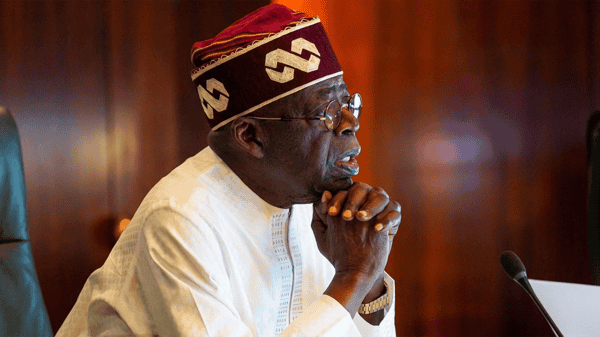
Exiled Benin opposition leader seeks Tinubu’s intervention