















FG approves employment of 50 doctors, 100 nurses across correctional centres
FG approves employment of 50 doctors, 100 nurses across correctional centres in a move the Federal Government says is designed to confront the long-standing shortage of medical personnel in Nigeria’s correctional facilities and improve healthcare delivery for inmates across the country. 
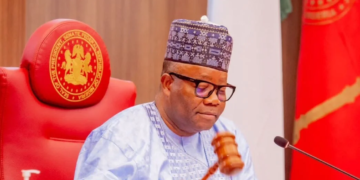
The approval was disclosed by the Minister of Interior, Dr. Olubunmi Tunji-Ojo, during a courtesy visit by the Minister of Information and National Orientation, Mohammed Idris, in Abuja. According to Tunji-Ojo, President Bola Tinubu approved the employment of 50 medical doctors and 100 nurses for correctional centres nationwide after concerns over inadequate medical staffing in some facilities. 
That is the core of the story: FG approves employment of 50 doctors, 100 nurses across correctional centres at a time when prison healthcare has become a major part of the debate around correctional reform, inmate welfare and human dignity in detention. 
What the approval means
The immediate significance of the decision is straightforward. Correctional centres are supposed to be secure facilities, but they are also places where the state has full custody over human beings and therefore carries a direct obligation to provide basic medical care. When medical staffing is weak, everything else becomes more difficult: emergencies are harder to manage, chronic illness goes untreated, outbreaks become more dangerous, and the system appears less like a correctional institution and more like a holding structure without adequate welfare safeguards.
That is why FG approves employment of 50 doctors, 100 nurses across correctional centres is more than a staffing announcement. It is also an admission that healthcare gaps in the correctional system have become too serious to ignore. 
Tunji-Ojo said the approval followed the dearth of medical personnel in some correctional centres. The decision, as reported, is therefore targeted at one of the most basic institutional failures in the prison system: too few trained healthcare workers to meet inmate needs. 
Why correctional healthcare matters
Healthcare inside correctional facilities is rarely treated as headline policy until something goes wrong. But it sits at the intersection of law, public health and human rights. Inmates may be incarcerated, but they do not lose their entitlement to medical attention. The state, having removed their liberty, assumes an even heavier burden to keep them alive and reasonably healthy.
This is part of what makes the announcement important. FG approves employment of 50 doctors, 100 nurses across correctional centres because correctional health is not optional welfare. It is a core institutional duty. 
In practical terms, doctors and nurses in these facilities are expected to handle a range of needs, from routine consultations and treatment of common illnesses to referral decisions, medication management, emergency response and the supervision of vulnerable inmates with chronic or communicable conditions. When that system is understaffed, even basic care becomes inconsistent.
A continuing reform line, not a one-off move
The announcement also fits into a wider correctional reform narrative already associated with the Interior Ministry.
A July 2025 report in The Guardian quoted Tunji-Ojo saying the President had approved the recruitment of 50 medical doctors and 100 nurses and had also directed that NYSC medical corps members be posted to correctional facilities to boost access to healthcare. That earlier report linked the move to broader efforts to improve conditions in the correctional system. 
That context matters because it shows FG approves employment of 50 doctors, 100 nurses across correctional centres is not appearing from nowhere. It aligns with a reform thread the ministry has been pushing for months: better welfare, improved global perception of the correctional system, and more serious investment in inmate care. 
The recurring emphasis on medical personnel also suggests the ministry sees healthcare shortages as one of the most urgent weak points in the system.
https://ogelenews.ng/fg-approves-employment-of-50-doctors
What this could change on the ground
If the recruitment is implemented properly, the impact could be felt quickly in several ways.
The first is access. More doctors and nurses should reduce the delay between an inmate reporting illness and receiving attention. In crowded systems, delay can be the difference between manageable sickness and serious deterioration.
The second is continuity of care. Facilities with regular medical staff are better positioned to monitor chronic conditions, maintain drug regimens and manage follow-up properly.
The third is credibility. One of the persistent criticisms of Nigerian correctional centres is that they often appear to function more as overcrowded containment sites than as institutions capable of balancing custody with rehabilitation. Better medical staffing would not solve everything, but it would signal that the state is trying to improve one of the most visible pressure points.
That is why FG approves employment of 50 doctors, 100 nurses across correctional centres could matter far beyond the headline. If the hiring moves from approval to deployment, it could begin to change how correctional healthcare works in practice. 
Why the numbers matter
The numbers themselves are modest compared with the likely scale of need, but they are politically and institutionally important.
Approving 150 medical personnel in total creates a visible benchmark. It allows the government to say it has moved from acknowledging the problem to authorising a response. At the same time, it also creates a standard against which performance can be judged later: how many were actually recruited, where were they posted, and what changed afterward?
So while the figure may not solve the entire healthcare burden of correctional centres nationwide, it gives the reform effort something measurable. And that is part of why FG approves employment of 50 doctors, 100 nurses across correctional centres is a stronger story than a routine bureaucratic update. 
The human angle behind the policy
It is easy to read this story as a sterile administrative decision. But behind it are real people in confinement, many of whom depend entirely on the system for medical attention. Whether they are awaiting trial or already convicted, they cannot simply walk into a clinic when they feel sick. They rely on the correctional institution to notice, respond and treat.
That is the human meaning behind FG approves employment of 50 doctors, 100 nurses across correctional centres. It is about whether people in state custody are seen as human beings with medical needs or as administrative burdens inside locked compounds. 
And from a public health perspective, correctional healthcare does not stay behind prison walls. Poor treatment, delayed diagnosis or unmanaged communicable illness inside facilities can create risks that extend beyond inmates to staff, visitors and the wider health system.
What to watch next
The key question now is implementation.
Approval is one thing. Recruitment, posting and retention are another. The next phase to watch is whether the ministry or relevant correctional authorities publish details on timelines, deployment patterns and how the new personnel will be spread across the country’s correctional centres.
It will also matter whether this medical recruitment is integrated with the wider support system mentioned in earlier reporting, including NYSC medical corps deployment and broader welfare reforms. 
For now, the verified position is clear: FG approves employment of 50 doctors, 100 nurses across correctional centres, with the Interior Minister saying the decision was taken to address shortages of medical personnel in some facilities and improve inmate healthcare nationwide. 
https://punchng.com/fg-approves-employment-of-50-doctors-100-nurses-across-correctional-centres