
















FG unveils initiative to connect schools nationwide to internet
FG unveils initiative to connect schools nationwide to internet, a major step aimed at expanding digital learning and ensuring students across Nigeria gain access to modern educational technologies.
The Federal Government announced the initiative as part of a broader effort to integrate internet connectivity into the country’s education system and accelerate the adoption of digital learning tools in classrooms nationwide. 
According to officials from the Federal Ministry of Education, the programme will focus on connecting institutions at all levels—from primary and secondary schools to universities, polytechnics and colleges of education—to reliable internet services. 
Education authorities say the initiative forms part of the government’s strategy to modernise Nigeria’s education sector and equip students with digital skills required in the 21st-century economy.
For policymakers and education experts, the development captured in FG unveils initiative to connect schools nationwide to internet represents a significant milestone in bridging the digital divide in Nigeria’s education system.
Government aims to accelerate digital learning
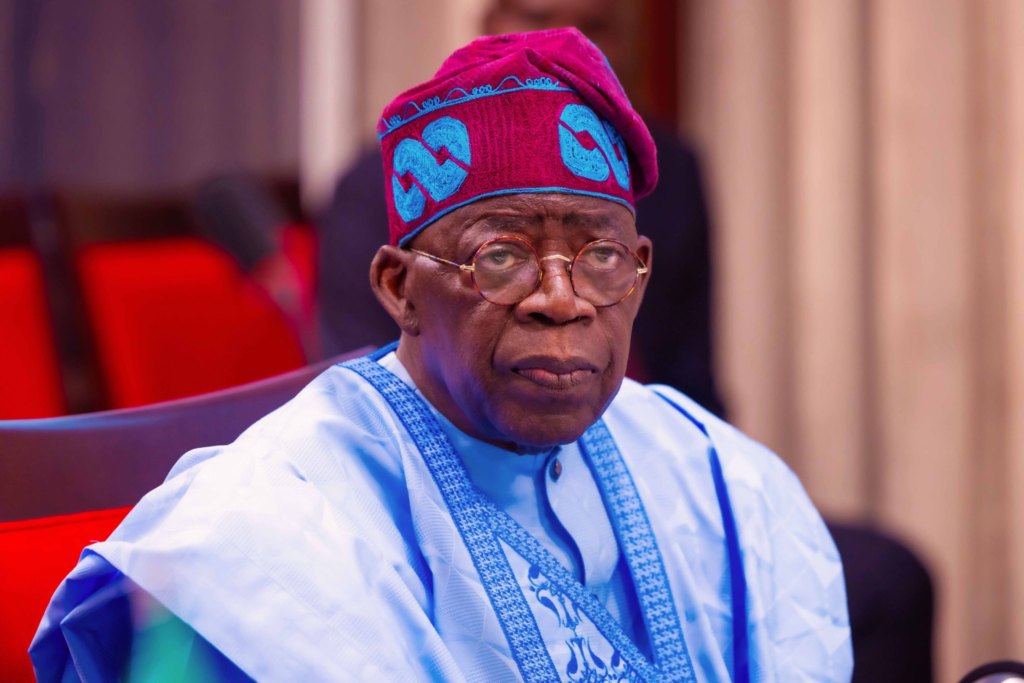
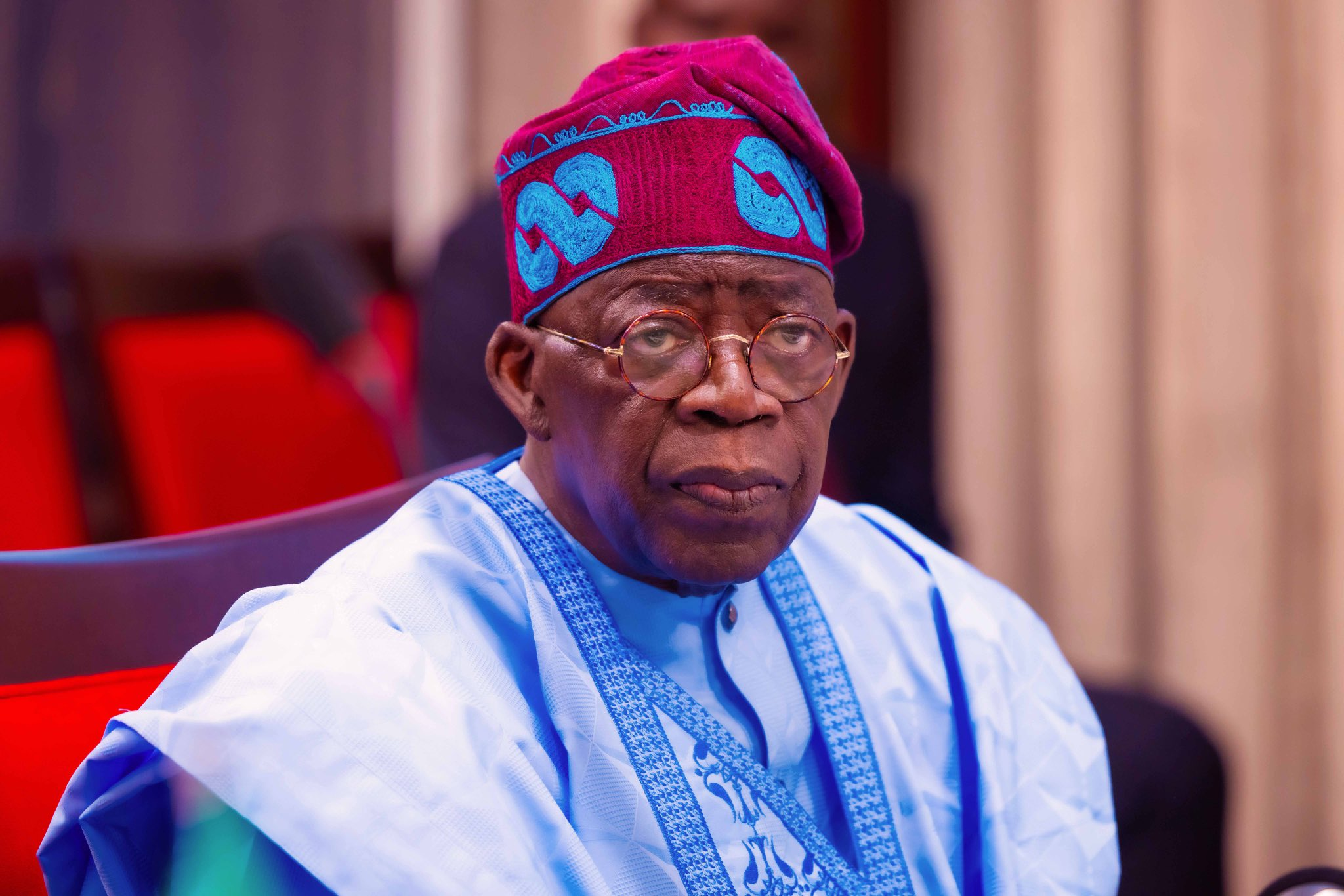
The programme follows directives from President Bola Ahmed Tinubu, who has emphasised the importance of expanding digital infrastructure across key sectors of the Nigerian economy.
Officials say the education sector remains one of the most critical areas requiring improved broadband connectivity.
According to the Ministry of Education, connecting schools to reliable internet services will allow teachers and students to access digital resources, online research tools and modern learning platforms.
This transformation is expected to improve the quality of teaching and learning in Nigerian schools.
The initiative behind FG unveils initiative to connect schools nationwide to internet therefore aims to integrate technology more deeply into Nigeria’s educational system.
Building on earlier broadband initiatives
Education authorities explained that the new programme builds on earlier efforts to provide internet connectivity to tertiary institutions.
One such initiative was implemented through the Nigerian Research and Education Network (NgREN), which connected universities and research institutions to high-speed broadband under a World Bank-funded project. 
Although the project recorded significant progress, its expansion slowed after the initial funding cycle ended.
The new initiative seeks to revive and expand that earlier model, extending connectivity to a much wider range of institutions.
By broadening internet access beyond universities, FG unveils initiative to connect schools nationwide to internet aims to ensure that all students benefit from digital education opportunities.
Digital platforms supporting online learning
Alongside broadband connectivity, the government has also introduced digital learning platforms designed to complement the initiative.
One such programme is the Inspire Live(s) online learning platform, which streams real-time lessons for secondary school students across the country.
The platform allows students to access live virtual classes delivered by qualified teachers regardless of their location. 
Officials say digital platforms like these will become more effective once schools are connected to reliable internet services.
This integration between connectivity and digital content is central to the policy direction behind FG unveils initiative to connect schools nationwide to internet.
https://ogelenews.ng/fg-unveils-initiative-to-connect-schools-nationwide
Addressing teacher shortages through technology
Nigeria’s education sector faces several structural challenges, including shortages of qualified teachers in certain regions.
In rural communities especially, schools often struggle to recruit experienced teachers in specialised subjects.
Government officials say digital learning technologies can help bridge this gap.
Through online learning platforms and internet-enabled classrooms, students can access lessons delivered by experienced teachers regardless of geographical location.
Thus, FG unveils initiative to connect schools nationwide to internet is also expected to help address teacher shortages in underserved areas.
Expanding national digital infrastructure
The education connectivity initiative aligns with broader national efforts to expand digital infrastructure across Nigeria.
The Federal Government is currently implementing major broadband projects, including plans to deploy tens of thousands of kilometres of fibre-optic cable nationwide.
These infrastructure investments aim to increase broadband penetration and improve internet access across the country. 
Education authorities believe that connecting schools to these expanding networks will enable millions of students to benefit from digital learning tools.
Consequently, FG unveils initiative to connect schools nationwide to internet also reflects Nigeria’s broader digital transformation agenda.
Bridging the digital divide in education
Access to internet connectivity remains uneven across Nigeria’s education system.
While many urban schools have internet access, numerous rural schools still lack basic digital infrastructure.
This gap has limited students’ ability to access online learning resources and participate in digital education.
Experts say improving connectivity in schools is one of the most effective ways to reduce educational inequality.
By expanding broadband access to schools nationwide, FG unveils initiative to connect schools nationwide to internet seeks to create more equal learning opportunities.
Economic benefits of digital education
Education analysts say improving digital infrastructure in schools can also contribute to national economic growth.
Students equipped with digital skills are better prepared to participate in technology-driven industries.
The initiative may therefore contribute to Nigeria’s broader digital economy strategy.
In recent years, the government has launched multiple programmes aimed at strengthening digital skills and technology innovation across the country.
The education connectivity initiative complements these efforts by ensuring that students gain early exposure to digital technologies.
Thus, FG unveils initiative to connect schools nationwide to internet is expected to have long-term economic benefits.
Challenges ahead
Despite the optimism surrounding the initiative, experts say several challenges must be addressed for the programme to succeed.
These challenges include:
• inadequate electricity supply in some schools
• limited ICT equipment in classrooms
• high cost of internet infrastructure
• lack of teacher training in digital technologies
Education policymakers say addressing these challenges will require collaboration between government agencies, telecommunications companies and international development partners.
Nevertheless, the initiative FG unveils initiative to connect schools nationwide to internet represents an important step toward modernising Nigeria’s education system.
Looking ahead
Education authorities say the next phase of the programme will involve developing a framework for implementing internet connectivity across thousands of schools nationwide.
If successfully implemented, the initiative could transform teaching and learning in Nigeria by enabling access to digital resources, online classrooms and global knowledge networks.
For millions of Nigerian students, the initiative offers the possibility of a more modern and inclusive education system.
Ultimately, FG unveils initiative to connect schools nationwide to internet highlights the government’s commitment to integrating technology into education and preparing young Nigerians for a digital future.
https://punchng.com/fg-unveils-initiative-to-connect-schools-nationwide-to-internet