

















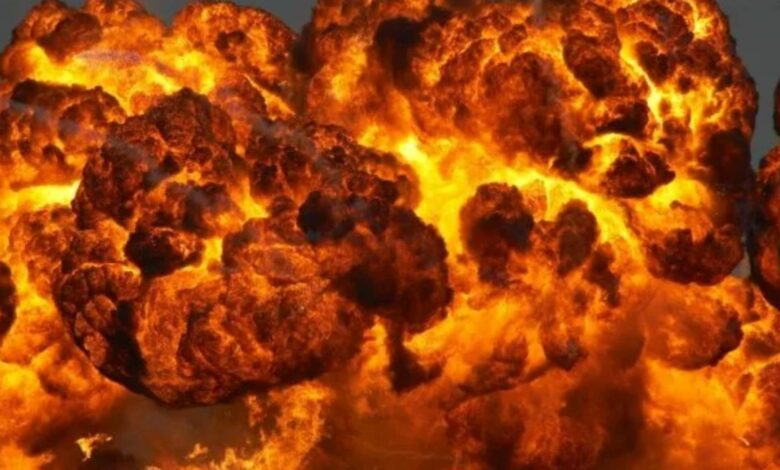
Fire guts Kano market
A devastating inferno has razed a popular market in Kano State, leaving scores of traders counting losses and reigniting concerns over fire safety in Nigeria’s major commercial centres.
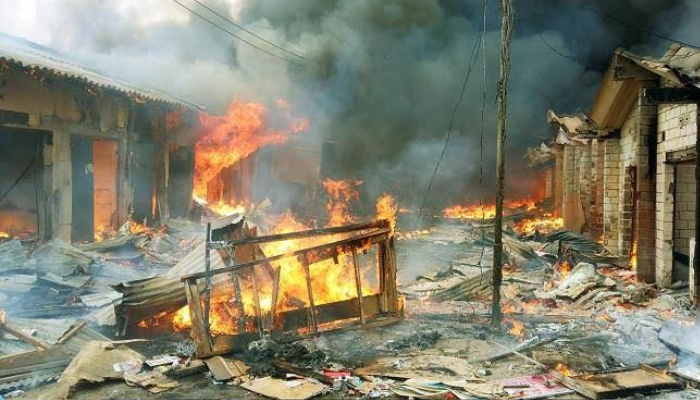
The fire, which broke out in the early hours, spread rapidly through rows of tightly packed shops, destroying goods worth millions of naira before firefighters could bring the situation under control. By the time the flames were subdued, large sections of the market had been reduced to charred ruins.
For many traders, the incident represents not just the loss of inventory, but the collapse of livelihoods built over years.
What Happened at the Kano Market
Eyewitnesses said the fire started suddenly and intensified within minutes, fuelled by combustible materials stored inside shops and the close proximity of stalls.
Traders arriving at the market were met with thick smoke, flames leaping across rooftops, and frantic efforts by shop owners to salvage whatever they could.
Although the cause of the fire has not been officially confirmed, early suspicions point to electrical faults, a recurring issue in markets where illegal connections and overloaded power lines are common.
The incident marks yet another chapter in the troubling pattern of fire guts Kano market tragedies recorded across the state over the years,Fire guts Kano market.
Emergency Response and Firefighting Efforts
Officials of the Kano State Fire Service were eventually deployed to the scene, battling the flames for hours. Firefighters faced significant challenges, including limited access roads, poor water supply, and congestion around the market.
While their efforts prevented the fire from spreading to nearby residential areas, traders complained that the response came too late to save most shops.
Scenes from the market showed burnt goods piled in heaps, collapsed roofs, and smoke still rising long after the fire was contained.
Traders Speak: “Everything Is Gone”
For traders affected by the blaze, the emotional toll was immediate and visible,Fire guts Kano market.
Many broke down in tears as they assessed the damage. Some said they had restocked recently, borrowing money or investing savings in anticipation of peak trading periods.
“I lost everything,” one trader said quietly, staring at the remains of his shop. “Years of work gone overnight.”
The fire guts Kano market incident has once again highlighted how vulnerable informal traders are to sudden disasters, often without insurance or government-backed safety nets.
Recurring Fire Incidents in Kano Markets
Market fires are not new in Kano.
Over the years, several major markets in the state have suffered similar infernos, often blamed on poor electrical infrastructure, lack of fire prevention systems, and overcrowded layouts.
Despite repeated promises of reform, many markets still lack:
• Fire extinguishers
• Emergency exits
• Functional hydrants
• Regular safety inspections
Each new incident reinforces calls for structural change, yet implementation has remained slow.
Government Reaction and Calls for Investigation
In the aftermath of the blaze, state officials expressed sympathy with affected traders and promised to investigate the cause of the fire.
Authorities said assessments would be conducted to determine the extent of damage and explore possible relief options for victims.
However, traders remain sceptical, citing past incidents where investigations led to little tangible support.
Civil society groups argue that beyond relief, there is an urgent need for preventive investment to stop the cycle of destruction.
https://ogelenews.ng/fire-guts-kano-market
Economic Impact Beyond the Market
The market serves as a key commercial hub, supplying goods not only within Kano but to neighbouring states.
With dozens of shops destroyed, supply chains have been disrupted, potentially leading to price increases and shortages in the short term.
For Kano’s already strained urban economy, the fire guts Kano market disaster adds another layer of pressure, affecting transporters, suppliers, and customers alike,Fire guts Kano market.
Fire Safety Gaps Under the Spotlight
Experts say most market fires in Nigeria are preventable.
They point to:
• Poor wiring
• Absence of fire alarms
• Unregulated power connections
• Limited public awareness of fire safety practices
Without deliberate investment in infrastructure and enforcement of safety standards, markets remain ticking time bombs.
The Kano incident underscores the cost of neglect, measured not just in naira, but in human suffering.
What Traders Are Demanding
Affected traders are calling on the government to:
• Provide immediate relief and soft loans
• Rebuild affected sections of the market
• Install fire safety infrastructure
• Enforce regulations on electrical installations
They argue that reopening markets without addressing root causes only guarantees future disasters,Fire guts Kano market.
The Bottom Line
The fire that gutted the Kano market is a tragedy, but it is also a warning.
Until market safety is treated as essential infrastructure rather than an afterthought, such disasters will continue to recur.
As traders pick through the ashes, the question remains whether this incident will finally lead to lasting change, or become just another statistic in Nigeria’s long history of market fires.
https://www.federalfire.gov.ng