















France raids X offices
When France raids X offices, it is never just about a search warrant. It is about power, speech, regulation, and the uneasy relationship between governments and the digital platforms that now shape public opinion.
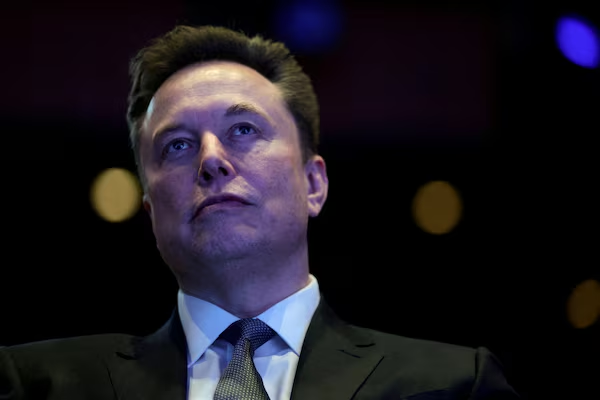
The early-morning operation by French authorities targeting the local offices of X, formerly Twitter, has triggered global attention. Investigators seized documents, demanded internal records, and issued a formal summons for X owner Elon Musk to appear for questioning. For Paris, this is a legal enforcement action. For Silicon Valley, it feels like a warning shot.
This explainer breaks down why France raids X offices, what the French authorities are investigating, why Elon Musk has been summoned, and what this could mean for social media regulation across Europe.
What happened when France raided X offices?
According to French judicial sources, investigators executed a court-approved raid on X’s offices as part of an ongoing inquiry into platform compliance with French and EU digital laws. The operation involved judicial police acting under the authority of prosecutors, not political appointees.
Officials say the raid focused on:
- Internal moderation policies
- Data handling practices
- Cooperation with lawful takedown requests
- Possible failures to curb disinformation and illegal content
When France raids X offices, it is usually tied to alleged breaches of obligations under French law and the EU’s Digital Services Act. Authorities believe X may not have adequately enforced content standards, particularly around harmful or unlawful material circulating on the platform.
Why has Elon Musk been summoned?
The summons issued to Elon Musk is procedural but symbolically heavy. French prosecutors want clarity on decision-making at the highest level of the company. Since Musk is not only the owner but also a hands-on decision maker, investigators argue his testimony is relevant.
French law allows corporate executives to be questioned when their strategic decisions may have contributed to alleged violations. This does not mean guilt. It means accountability.
For Paris, summoning Musk sends a clear signal: global tech executives are not beyond national law. When France raids X offices, it expects answers from the very top.
What laws are involved?
At the center of this case are two frameworks:
- French national law on digital safety, hate speech, and public order
- The EU’s Digital Services Act (DSA), which places strict obligations on large online platforms
Under the DSA, platforms like X must:
- Act quickly on illegal content
- Be transparent about algorithms and moderation
- Cooperate fully with regulators
- Prevent systemic risks such as coordinated disinformation
Failure to comply can lead to fines running into billions of euros. This is why France raids X offices carries consequences far beyond France alone.
X’s position so far
X has acknowledged the raid but insists it complies with applicable laws. The company argues that it supports free expression while removing illegal content when properly notified.
However, critics say X’s content moderation weakened significantly after Musk’s takeover. Several European regulators have raised concerns that staff cuts and policy changes created enforcement gaps.
When France raids X offices, it reflects growing frustration among regulators who believe self-regulation is no longer enough.
https://ogelenews.ng/france-raids-x-offices-musk-questioning
Is this about free speech?
That is the question dividing opinion.
Supporters of Musk argue that governments are overreaching and attempting to pressure platforms into political conformity. They warn that aggressive enforcement risks chilling free expression.
French authorities reject this framing. They say the case is not about opinions but about illegal content, public safety, and compliance with clear legal duties.
In short, France insists that free speech does not mean freedom from regulation. And when France raids X offices, it sees itself as defending the rule of law, not censoring debate.
Why this matters beyond France
This case is being closely watched across Europe and beyond. If France succeeds, it could encourage other countries to take similar steps. Germany, Spain, and even non-EU states are already strengthening digital oversight.
For Africa and emerging markets, the implications are significant. Platforms often apply different standards depending on regulatory pressure. Strong enforcement in Europe could lead to tighter global moderation rules.
When France raids X offices, it is not acting alone. It is part of a broader recalibration of power between states and tech platforms.
What happens next?
Several outcomes are possible:
- Musk appears for questioning, either in person or through legal representatives
- Further regulatory actions or fines if violations are established
- Negotiations between X and EU regulators on compliance measures
- Possible legal challenges by X
What is clear is that this case will not disappear quietly. Once France raids X offices, the process tends to run its full course.
The bigger picture
This is not just about X. It is about who controls the digital public square.
For years, tech companies operated faster than the law could follow. That era is ending. Governments are asserting authority, and platforms are being forced to choose between adaptation and confrontation.
When France raids X offices, it signals that Europe is prepared to test the limits of its new digital laws. Whether this leads to safer online spaces or prolonged legal battles remains to be seen.
One thing is certain: the age of unregulated platforms is over.