
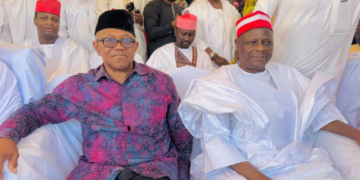

















fresh political realignments
Nigeria’s political landscape is entering another season of recalibration as fresh political realignments continue to unfold across major parties, driven by internal party tensions and high-profile defections. With future elections drawing closer, these shifts are not isolated incidents but part of a broader struggle for control, relevance, and survival within Nigeria’s competitive political space.
Across the ruling and opposition parties, disagreements over leadership structure, zoning arrangements, candidate selection, and access to power have intensified. The result has been a steady movement of politicians across party lines, reshaping alliances and forcing parties to reassess their internal cohesion.
Political observers note that fresh political realignments are becoming a defining feature of Nigeria’s pre-election environment, reflecting deeper structural weaknesses within party systems that have struggled to manage ambition and internal democracy.
Defections as Symptoms of Deeper Party Cracks
Defections have long been part of Nigeria’s political culture, but the current wave stands out for its scale and timing. Lawmakers, governors’ allies, party executives, and grassroots mobilisers are reassessing their political homes, often citing unresolved disputes, marginalisation, or broken agreements.
In many cases, internal party tensions stem from disagreements over control of party machinery at state and national levels. Party congresses, primaries, and conventions have become flashpoints, with factions accusing one another of manipulation and exclusion.
These unresolved disputes have created fertile ground for defections, as politicians seek platforms that better align with their ambitions ahead of future elections. Analysts argue that such movements are less about ideology and more about strategic positioning within an electoral system where access to power remains the primary currency.
How Fresh Political Realignments Are Reshaping Party Strategies
As fresh political realignments continue, political parties are being forced to rethink their strategies. For ruling parties, defections pose a reputational challenge, raising questions about internal unity and governance credibility. For opposition parties, incoming defectors offer opportunities to expand influence but also risks of importing unresolved conflicts.
Party leaderships now face the delicate task of balancing accommodation with discipline. Accepting defectors can strengthen electoral chances in the short term, but it can also alienate loyal members who feel sidelined in favour of political newcomers.
This dynamic has intensified internal party tensions, particularly at state levels where power struggles are often most pronounced. In several states, competing factions now claim legitimacy within the same party, complicating mobilisation efforts ahead of elections.
https://ogelenews.ng/fresh-political-realignments-nigeria
Electoral Calculations Ahead of Future Elections
The timing of these developments is critical. As Nigeria edges closer to future elections, politicians are acutely aware that party platforms matter less than electoral viability. Many defections are calculated moves aimed at securing tickets, influence, or bargaining power in emerging alliances.
Political strategists observe that fresh political realignments often accelerate as election cycles approach, reflecting the fluid nature of Nigeria’s political loyalties. This has implications for voter confidence, as frequent defections blur ideological distinctions and weaken party identities.
For voters, the ongoing reshuffling raises concerns about accountability. When politicians switch parties without clear policy justification, it becomes harder for the electorate to track promises, performance, and responsibility.
Implications for Governance and Stability
Beyond electoral politics, internal party tensions and defections have consequences for governance. Lawmakers who defect may realign their legislative priorities, affecting voting patterns and coalition stability within assemblies. At the executive level, shifting alliances can disrupt policy continuity and slow decision-making.
In some cases, political realignments have triggered legal disputes over mandates, particularly where defectors move without formally vacating their seats. These conflicts often end up in court, adding another layer of uncertainty to the political environment.
Governance experts warn that persistent instability within parties weakens institutional development and distracts leaders from addressing pressing national challenges such as security, economic recovery, and social welfare.
What the Trend Says About Nigeria’s Party System
At its core, the surge in fresh political realignments highlights structural flaws in Nigeria’s party system. Many parties remain personality-driven rather than ideology-based, making them vulnerable to fragmentation whenever power balances shift.
The absence of strong internal dispute resolution mechanisms means that disagreements quickly escalate into factional battles. Without transparent processes for managing ambition, internal party tensions are likely to continue producing defections as elections approach.
Reform advocates argue that strengthening internal democracy, enforcing party discipline, and clarifying ideological positions are essential if parties are to regain credibility and stability.
Looking Ahead
As Nigeria moves closer to future elections, the pace of political movement is unlikely to slow. More defections, alliances, and strategic recalculations are expected as political actors respond to evolving realities on the ground.
Whether these fresh political realignments ultimately strengthen democracy by broadening competition or weaken it by eroding trust will depend on how parties, institutions, and voters respond.
For now, one thing is clear: Nigeria’s political chessboard is in motion, and the decisions made during this period of internal party tensions and defections will shape not just election outcomes, but the direction of governance in the years ahead.
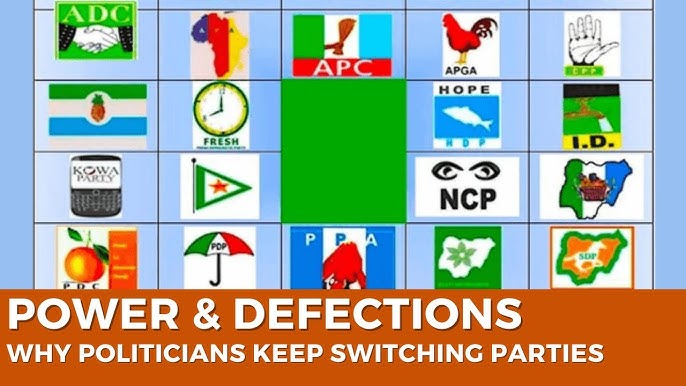
fresh political realignments.