

















FRSC records 10,446 crashes 5,289 deaths in 2025
The Federal Road Safety Corps (FRSC) has released comprehensive road crash statistics for 2025, showing that Nigeria recorded 10,446 road traffic crashes and 5,289 deaths over the course of the year — a sobering reminder of the country’s persistent challenges with highway safety. 
The data, disclosed by Corps Marshal Shehu Mohammed at a public briefing, highlights both the scale of the problem and the varied efforts underway to tackle it, from enforcement and public education to new technology in road safety management. But beyond the headlines, the figures also expose systemic issues that policymakers, transport professionals, and citizens must address together.
This explainer unpacks what the 2025 FRSC figures show, why they matter, how Nigeria compares regionally, and what authorities and road users can still do to save lives.
What the 2025 Road Crash Figures Show
According to the FRSC’s annual report, released during a press conference early in 2026:
• Total road traffic crashes in 2025: 10,446
• Total fatalities from those crashes: 5,289
• Trend in fatal crashes: numbers show a slight reduction in deaths compared with previous years, but overall crash counts remain high. 
These figures mark a 9.2 per cent rise in overall crashes compared with 2024, even as the death toll registered a 2.4 per cent reduction — suggesting that while fewer people may be dying per crash, the incidence of crashes itself is climbing. 
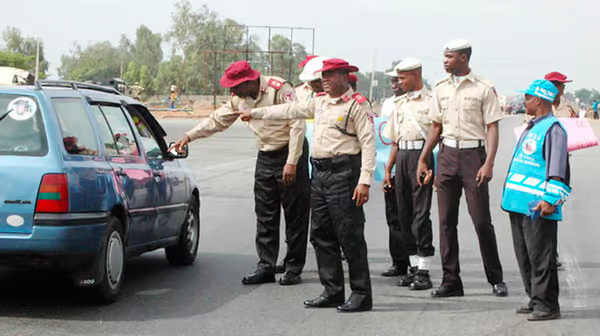
The FRSC reports that this increase in crashes occurred despite strengthened enforcement and road safety campaigns like Operation Zero, the corps’ flagship initiative to reduce fatalities through visible policing, sanctions, and awareness drives across Nigeria’s highways. 
Crash Counts vs Fatalities: What’s Behind the Numbers?
The distinction between crash counts and fatality trends in 2025 is critical. More crashes happening does not always mean more people dying. Here’s how experts interpret the 2025 pattern:
Higher Crashes, Lower Fatalities
The reported reduction in deaths (from roughly 5,421 in 2024 to 5,289 in 2025) suggests that emergency response and post-crash care may be improving — albeit slowly. 
However, more crashes overall mean that a wide range of non-fatal injuries, long-term disabilities, and economic losses (including medical and repair costs) are still rising.
Crash Frequency Outpaces Safety Gains
The FRSC’s own commentary points to persistent factors like risky driving behaviours, speeding, tyre bursts, brake failure, and reckless overtaking as major contributors. 
Without changing these root causes, the number of crashes keeps growing — even if some victims survive due to better response times or improved safety equipment.
https://ogelenews.ng/frsc-records-10446-crashes-5289-deaths-2025
Why the 2025 Data Matters
- Nigeria’s Roads Are Still Dangerous
Nigeria already has one of the highest road fatality rates in Africa — a continent that, overall, leads the world in road deaths per capita. 
The FRSC figures are a stark reminder that millions of journeys across the nation’s highways remain perilous — whether due to human behaviour, vehicle condition, or infrastructure issues.
- Economic and Social Costs Are High
Crashes impose costs far beyond human loss. Injuries can result in long hospital stays, loss of income, and financial strain for families. Serious crashes can cripple local economies and exacerbate social hardship in communities.
What Contributes to Crashes in Nigeria
The FRSC and transport analysts identify several enduring and interlinked causes:
• Speeding: Frequently cited as the single most common trigger of crashes. 
• Reckless overtaking: Drivers misjudge gaps and risk head-on collisions. 
• Tyre bursts and brake failure: Often linked to poor vehicle maintenance. 
• Driver fatigue: Long journeys without rest contribute to loss of control. 
• Distractions and indiscipline: Including mobile phone use and ignoring traffic signs. 
The combination of human error, poor enforcement, and inadequate infrastructure continues to underlie the persistence of road crashes.
Regional and Seasonal Variations
Certain road corridors repeatedly appear in crash statistics:
• Major expressways such as Lagos-Ibadan, Abuja-Kaduna-Kano, and Benin-Asaba often record high crash volumes. 
• Festive or Ember months (December through January) typically see spikes due to increased travel, though recent targeted interventions like Operation Zero aim to reduce those surges. 
Seasonal patterns suggest that risk increases when travel volume rises — especially during holidays, market days, and peak commercial movements.
How Nigeria Compares With the Past
While the FRSC’s 2025 figures are alarming, they reflect a complex long-term pattern rather than an isolated anomaly:
• In 2024, about 9,570 crashes resulted in 5,421 deaths. 
• In earlier nine-month reporting periods in 2025, data showed thousands of crashes and fatalities already accruing before year-end. 
The gradual downward shift in 2025 deaths suggests that enforcement and post-crash care are having some impact — but the overall stability of crash counts highlights that much more needs to be done.
FRSC’s Response and Ongoing Campaigns
To address the spike in crashes, the FRSC has:
• Expanded public safety education through campaigns like Take Responsibility for Your Safety. 
• Increased enforcement including higher arrest counts for violations. 
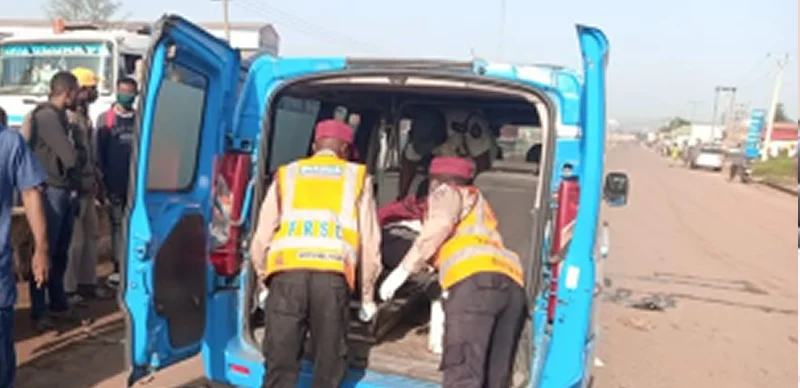
• Enhanced post-crash coordination with emergency responders.
The corps has emphasised visible patrols, community engagement, and technology use in accident prevention efforts. 
Public Reaction and Expert Views
Road safety advocates and lawful drivers have welcomed the improved enforcement but urged deeper structural reforms, such as:
• Better road design and maintenance
• Stricter vehicle safety inspections
• Enhanced driver training and licensing controls
• Integration of technology for real-time monitoring
Experts point out that real progress requires a multi-sectoral approach involving the FRSC, state governments, transport unions, and citizens — not just sporadic campaigns. 
Immediate Steps for Road Users
While authorities work on systemic fixes, ordinary motorists can reduce their risk by:
• Adhering to posted speed limits
• Avoiding dangerous overtaking
• Taking regular breaks on long journeys
• Ensuring vehicles are well maintained
• Avoiding distractions like phone use while driving
Safety starts with disciplined behaviour, both behind the wheel and on foot.
The Bigger Picture: Policy and Resources
The 2025 road crash figures also place focus on broader policy issues:
• Transport infrastructure funding
• National road safety strategy alignment with United Nations SDGs
• Institutional capacity of the FRSC and complementary agencies
• Private sector involvement in technology and safety innovations
Nigeria’s road crash statistics are not just numbers — they are signals about governance, public health policy, and the nation’s approach to protecting lives.
The Bottom Line
The FRSC’s record of 10,446 crashes and 5,289 deaths in 2025 is a stark metric of Nigeria’s ongoing road safety crisis. While the slight reduction in fatalities offers a sliver of hope, the stubborn rise in overall crashes shows that hazards remain entrenched. For progress to be durable, improved enforcement must be paired with infrastructure investment, behavioural change, and a culture of road discipline for all users.