



















Fuel hike: FCT residents lament rising transport fares
Fuel hike: FCT residents lament rising transport fares as commuters across Abuja struggle with a fresh surge in transport costs following the latest increase in petrol prices, a development that residents say is making daily life even harder in the Federal Capital Territory. Across major routes in the city and its satellite towns, transport fares have climbed sharply as commercial drivers adjust to the new pump price reality. 
The immediate trigger is the latest petrol price spike in Abuja. Reports this week showed petrol selling in parts of the FCT for between ₦1,250 and ₦1,350 per litre, while some field reports placed the most common range around ₦1,270 to ₦1,330 per litre. One PM News report said NNPCL retail outlets were selling at about ₦1,261, with private stations charging more. 
That is the real meaning behind the headline Fuel hike: FCT residents lament rising transport fares. This is not just a transport story. It is a household economy story. It is about how fuel price shocks move quickly from filling stations to bus stops, then from bus stops into family budgets. 
Commuters say fares are becoming unbearable
Residents told reporters that transport fares on some Abuja routes have risen so sharply that daily commuting is beginning to feel unsustainable. Punch reported that fares had nearly doubled on certain routes after the latest petrol hike, with many commuters lamenting the worsening burden. 
The Whistler’s field report gave a clearer picture of the pain. It said transport operators on routes connecting satellite towns to the city centre raised fares by 20% to 50%, forcing many workers to spend a far larger portion of their income on movement alone. The report added that some commuters who previously spent between ₦1,500 and ₦3,000 per day on transport now spend ₦5,000 or more. 
This explains why Fuel hike: FCT residents lament rising transport fares has resonated so strongly. For thousands of Abuja residents, transport is not a luxury. It is the bridge between home and work, school, markets and healthcare. Once that bridge becomes too expensive, every part of urban life comes under stress. 
Why Abuja feels the shock so quickly
Abuja is especially vulnerable to transport fare shocks because of the way the city is structured. Many workers live in satellite towns or outskirts where rent is lower, then commute into the city centre daily. That means any rise in petrol prices is often felt immediately through bus, taxi and minibus fares.
The Whistler report captured this clearly by focusing on commuters coming from satellite communities into the city. For those workers, the fare increase is not just an inconvenience. It is a direct hit on income, especially when wages have not risen at the same pace as transport costs. 
So when Fuel hike: FCT residents lament rising transport fares, the deeper story is that Abuja’s geography makes residents unusually exposed to fuel-related transport inflation. Long commuting distances make it difficult to simply “manage” fare increases. 
Operators are passing fuel costs to passengers
Commercial drivers and transport operators are responding to the same fuel shock. Once petrol climbs into the ₦1,250 to ₦1,350 range, they begin recalculating fares almost immediately because daily operating costs rise at once.
ICIR reported that the hike in petrol price had produced a corresponding increase in transportation fares across major Abuja routes. PM News similarly reported widespread frustration among motorists over the latest pump price increase in the FCT. 
The result is predictable. Drivers protect their margins by raising fares, and passengers absorb the pain. That is why Fuel hike: FCT residents lament rising transport fares is also a story about how the burden of energy price volatility is being shifted directly onto commuters. 
https://ogelenews.ng/fuel-hike-fct-residents-lament-rising-transport
Many commuters are cutting trips and walking longer distances
One of the clearest signs of distress is behavioural change. Reports show that many Abuja commuters are already adjusting how they move around the city. Some are walking part of their route. Others are reducing non-essential trips. Some are waiting longer in hope of cheaper fare options.
The Whistler specifically reported that some commuters now walk long distances in order to reduce daily transport spending. Punch also reported growing frustration among residents who say they have little choice but to endure the increases because they still need to get to work. 
This gives the story its human edge. Fuel hike: FCT residents lament rising transport fares is not just about statistics. It is about workers arriving at offices already exhausted, traders spending more to reach markets, and students facing tougher choices about attendance and movement. 
The wider cost-of-living effect
Transport fares rarely rise in isolation. Once fares increase, the effect tends to spread into food prices, delivery costs and the general cost of doing business. Vanguard described the wider national mood as one in which transporters, commuters and workers are groaning under high fuel prices. Punch also recently called rising petrol prices a “multiplier of hardship.” 
That broader frame matters because Fuel hike: FCT residents lament rising transport fares is one of the earliest visible expressions of a wider inflation risk. When transport costs climb, other prices often follow. In a city like Abuja, where many goods are moved in by road and workers depend on daily commuting, transport inflation can quickly become urban inflation. 
This is why resident complaints should not be dismissed as routine public grumbling. They are early warning signs of broader economic pressure building across the FCT. 
The fuel market background
The latest fare hike is happening in the context of broader instability in Nigeria’s fuel market. PM News reported that many Abuja motorists were questioning why pump prices were adjusted upward even for existing stock. ICIR’s reporting also reflected the uncertainty of prices across outlets, with consumers facing fluctuating rates at different stations. 
At the same time, wider national reporting has linked fresh fuel pressure to Middle East tensions and broader oil-market anxieties. Reuters reported earlier this week that Nigeria was reviewing its oil-market exposure amid rising Middle East tension, underlining how global instability can quickly feed into domestic hardship. 
So Fuel hike: FCT residents lament rising transport fares is not just a local problem. It is a local expression of a larger chain that runs from global oil tension to Nigerian pump prices to Abuja bus fares. 
A city already under pressure
Abuja residents are not dealing with transport fares in isolation. They are also facing rising rent, food prices and general living costs. That makes transport increases harder to absorb. A worker who spends ₦5,000 or more daily on commuting is not only paying more to travel. That worker is losing money that would otherwise go to feeding, schooling or savings.
This is why Fuel hike: FCT residents lament rising transport fares carries more than a routine metro tone. It speaks to a city under layered economic pressure, where one price increase reinforces another. 
The complaints coming from residents therefore reflect something larger than anger at drivers or petrol stations. They reflect anxiety about how long households can continue to absorb rising costs without meaningful relief. 
What happens next
The immediate question is whether petrol prices in Abuja will stabilise or rise further. If they remain at the current level, transport fares are unlikely to fall soon. If they increase again, the burden on commuters will intensify.
For now, the clearest picture is this: petrol prices in parts of Abuja rose into the ₦1,250 to ₦1,350 range, transport operators responded by raising fares by 20% to 50%, and commuters say their daily movement costs are becoming unbearable. 
That is why Fuel hike: FCT residents lament rising transport fares remains one of the clearest ground-level stories of Nigeria’s current fuel stress. It shows how quickly a pump price increase becomes a commuter crisis, and how quickly a commuter crisis can become a wider urban hardship story. 
https://punchng.com/fuel-hike-fct-residents-lament-rising-transport-fares
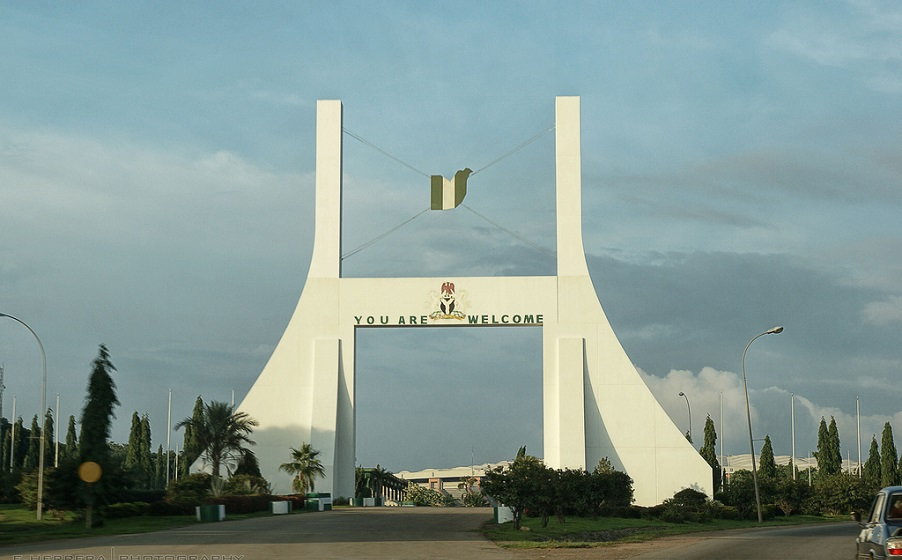
Fuel hike: FCT residents lament rising transport fares