















Fuel price hike
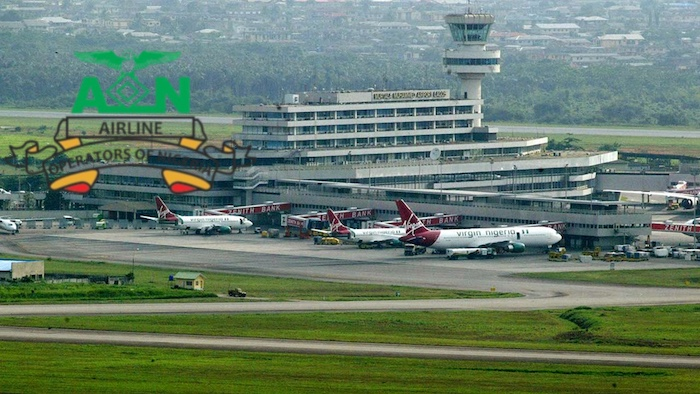
Domestic airlines in Nigeria may suspend flight operations from Thursday, April 30, 2026, as the fuel price hike in the aviation sector continues to place severe pressure on operators, passengers and the wider travel economy.
The threatened shutdown follows days of tense engagement between airline operators, the Federal Government, aviation regulators and fuel marketers over the rising cost of aviation fuel, also known as Jet A1. Operators say the fuel price hike has made domestic flight operations increasingly unsustainable, with fuel now accounting for a major share of operating costs.
The crisis escalated after Nigerian airlines warned that they could no longer absorb the sharp rise in Jet A1 prices. According to reports, aviation fuel prices have climbed from around ₦900 per litre to between ₦2,700 and ₦3,500 per litre in some locations, depending on logistics and supply conditions. Reuters also reported that domestic airlines were facing Jet A1 prices of about ₦3,300 per litre after logistics costs, worsening pressure on ticket prices and operations.
The Airline Operators of Nigeria had earlier paused a planned shutdown after the intervention of the Minister of Aviation and Aerospace Development, Festus Keyamo. Reuters reported that the operators temporarily suspended the action after Keyamo appealed for restraint and dialogue, with a stakeholders’ meeting scheduled to address the aviation fuel crisis.
However, fresh indications suggest that the threat has returned, with operators now looking at Thursday, April 30, 2026, if no concrete relief is reached. A report by Punch said domestic airlines may halt all flights from Thursday over what operators described as unbearable and unsustainable aviation fuel prices.
The fuel price hike has become one of the biggest threats to Nigeria’s aviation sector in recent years. Unlike road transport operators who can adjust routes or reduce trips more easily, airlines face fixed regulatory, maintenance, safety, insurance, leasing, staff and airport-related costs. When Jet A1 rises sharply, airlines either increase fares, reduce schedules or ground aircraft.
https://ogelenews.ng/fuel-price-hike-airlines-plan-thursday-shutdown-as-…
For passengers, the immediate risk is disruption. If the shutdown goes ahead, travellers could face cancelled flights, missed business trips, delayed medical travel, disrupted family movements and higher fares on available routes. The impact could also spread to hotels, logistics companies, airport vendors, travel agents and businesses that depend on domestic air connectivity.
The Federal Government has moved to prevent the crisis from becoming a full aviation shutdown. Reuters reported that President Bola Tinubu approved a 30 per cent debt relief for local airlines and directed immediate negotiations between fuel marketers, airlines and regulators to agree on a fair price for aviation fuel.
The debt relief was part of a broader intervention to reduce pressure on domestic carriers. A separate Reuters report said the government had agreed in principle to write off part of the debts owed by local airlines to aviation agencies, while also reviewing taxes affecting the sector.
But airline operators argue that debt relief alone does not solve the immediate problem. Their concern is the fuel price hike, which affects every flight, every route and every ticket. Without a workable fuel pricing arrangement, airlines say they may be forced to pass the full burden to passengers or suspend flights altogether.
Industry leaders have also raised questions about the gap between international oil market movements and the scale of the local Jet A1 increase. Operators argue that the domestic rise is disproportionate and want marketers to explain how the price increased so sharply within a short period.
There is also growing attention on Dangote Refinery’s role in the aviation fuel market. Reuters reported that Dangote Refinery is benefiting from high global jet fuel margins, with much of its jet fuel being exported to Europe where buyers pay premium prices. The report noted that although the refinery supplies the local market, pricing remains tied to global market conditions.
This has created a difficult policy question for Nigeria. The country now has a major private refinery capable of producing aviation fuel, but domestic airlines are still struggling with high prices. The refinery operates as a private business, while airlines are asking government to intervene because aviation is considered a strategic transport sector.
The fuel price hike also exposes deeper problems in Nigeria’s aviation economy. Domestic airlines already operate in a difficult environment marked by foreign exchange pressure, high maintenance costs, spare parts challenges, multiple charges, infrastructure gaps and low passenger purchasing power. A sudden rise in Jet A1 prices can quickly push operators into crisis.
This is why the planned Thursday shutdown carries wider economic meaning. It is not just about airlines protesting fuel prices. It is about whether Nigeria can maintain a stable domestic air transport system in the face of rising energy costs.
For the Federal Government, the coming days are critical. If it succeeds in getting fuel marketers, regulators and airlines to agree on a temporary relief framework, the shutdown may be avoided. But if talks collapse, passengers may wake up on Thursday to grounded aircraft and nationwide travel uncertainty.
The key issue is no longer whether the fuel price hike is hurting airlines. That is now clear. The bigger question is whether government intervention can produce immediate relief without creating another subsidy burden or distorting the aviation fuel market.
For now, domestic airlines are warning that they are close to the limit. The fuel price hike has pushed operators into a corner, and unless a workable solution is reached before Thursday, Nigeria’s aviation sector may face one of its most serious disruptions in recent years.
The next step is in the hands of the Federal Government, fuel marketers and airline operators. Passengers, meanwhile, will be watching closely, hoping that negotiations produce results before the threatened shutdown takes effect.