















Fuel Supply and Pricing in Nigeria After Subsidy Removal
https://ogelenews.ng/fuel-supply-and-pricing-in-nigeria
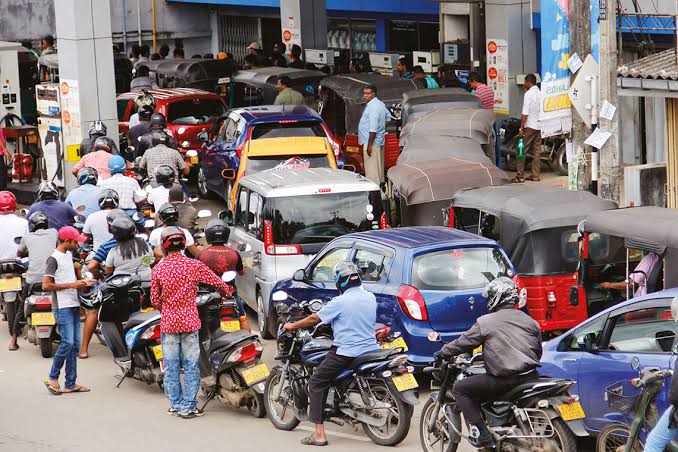
Fuel supply and pricing in Nigeria remain under close watch as marketers, regulators, and consumers adjust to ongoing changes in subsidy policy and fuel distribution logistics, a situation that continues to shape daily economic life across the country. From major cities to rural communities, the availability and cost of petrol have become a defining issue, reflecting the broader challenges of reforming Nigeria’s downstream petroleum sector.
Since the Federal Government officially removed petrol subsidies, fuel supply and pricing in Nigeria have entered a new phase marked by volatility, uncertainty, and constant recalibration. While authorities argue that deregulation is necessary to stabilise public finances and encourage private investment, the transition has placed significant pressure on households, transport operators, and small businesses already grappling with inflation and weakened purchasing power.
Fuel Supply and Pricing in Nigeria After Subsidy Removal
At the heart of the current situation is the end of the long-standing fuel subsidy regime, which for decades kept pump prices artificially low. The policy shift transferred the burden of fuel supply and pricing in Nigeria to market forces, making petrol prices more sensitive to global crude oil prices, exchange rate fluctuations, and distribution costs.
Marketers now source fuel at market rates, factoring in landing costs, logistics, and foreign exchange exposure. This has led to frequent adjustments at filling stations, with pump prices varying across states depending on transportation distance, security risks, and access to supply depots.
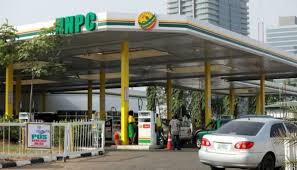
Officials at NNPC Limited have said the national oil company continues to play a stabilising role by supplying a significant share of petrol into the domestic market. However, industry analysts note that even NNPC Limited now operates on a commercial basis, meaning it can no longer absorb losses to keep fuel prices artificially low.
Distribution Logistics and Market Pressures
Fuel supply and pricing in Nigeria are also being shaped by persistent logistical challenges. Poor road infrastructure, rising transportation costs, and insecurity along key supply routes have increased the cost of moving petroleum products from coastal depots to inland states.
Marketers operating in the North and parts of the Middle Belt report higher distribution expenses, which are passed on to consumers at the pump. In some cases, fuel scarcity emerges not because of product unavailability at ports, but due to delays and disruptions in inland distribution.
Independent marketers have repeatedly warned that unless logistics improve, fuel supply and pricing in Nigeria will remain uneven, with consumers in remote areas paying significantly more than those in coastal cities.
Regulatory Oversight and Government Position
The Federal Government of Nigeria maintains that deregulation is irreversible, arguing that subsidy payments were fiscally unsustainable and distorted the economy. Government officials say the focus has shifted to targeted social interventions and long-term investments rather than blanket fuel subsidies.
Regulatory agencies, including the Nigerian Midstream and Downstream Petroleum Regulatory Authority, insist they are monitoring fuel supply and pricing in Nigeria to prevent hoarding, price gouging, and anti-competitive practices. Periodic warnings have been issued to marketers against artificial scarcity, especially during periods of high demand.
Despite these assurances, consumer groups say transparency remains a challenge, with many Nigerians struggling to understand how pump prices are determined and why adjustments occur so frequently.
Impact on Households and Businesses
The ripple effects of fuel supply and pricing in Nigeria extend far beyond filling stations. Transport fares have risen sharply, contributing to higher food prices as the cost of moving goods increases. Small-scale businesses that rely on generators for power face escalating operating costs, forcing some to reduce hours or shut down entirely.
For salary earners and informal workers alike, fuel price increases have become a major driver of inflationary pressure. Labour unions and civil society organisations argue that without sufficient cushioning measures, the burden of reform falls disproportionately on ordinary Nigerians.
Economists note that while subsidy removal may deliver long-term fiscal benefits, the short-term pain associated with fuel supply and pricing in Nigeria must be addressed through credible social support and economic stabilisation policies.
Refining Capacity and Long-Term Outlook
One of the government’s key arguments is that domestic refining will eventually stabilise fuel supply and pricing in Nigeria. With new and rehabilitated refineries expected to reduce dependence on imports, authorities believe logistics costs and foreign exchange exposure will decline over time.
Industry experts caution, however, that refining alone will not solve all problems. Effective distribution networks, transparent pricing mechanisms, and regulatory consistency will be critical to ensuring that local refining translates into affordable fuel for consumers.
Until these systems mature, fuel supply and pricing in Nigeria are likely to remain sensitive to both domestic and global factors.
What Nigerians Should Expect
In the near term, analysts expect continued fluctuations in fuel supply and pricing in Nigeria, driven by exchange rate movements, global oil prices, and domestic logistics. While outright nationwide scarcity appears unlikely, regional disparities in pricing and availability may persist.
For policymakers, the challenge lies in balancing market realities with social stability. For Nigerians, fuel remains more than a commodity; it is a daily necessity whose price influences every aspect of economic life.
As reforms continue, fuel supply and pricing in Nigeria will remain one of the most closely watched indicators of the country’s economic direction and governance credibility.