













Gulf maritime crimes
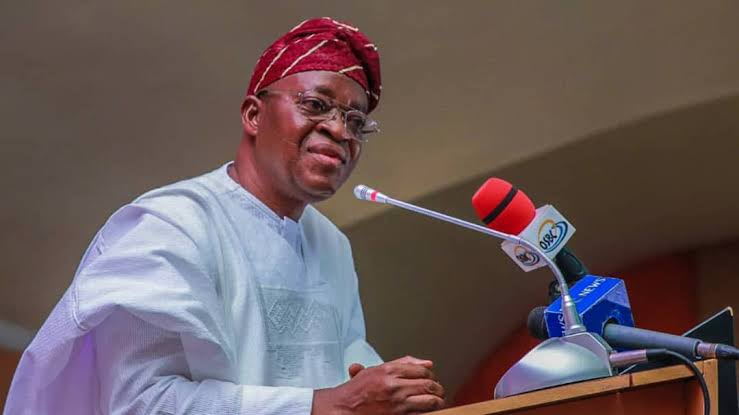
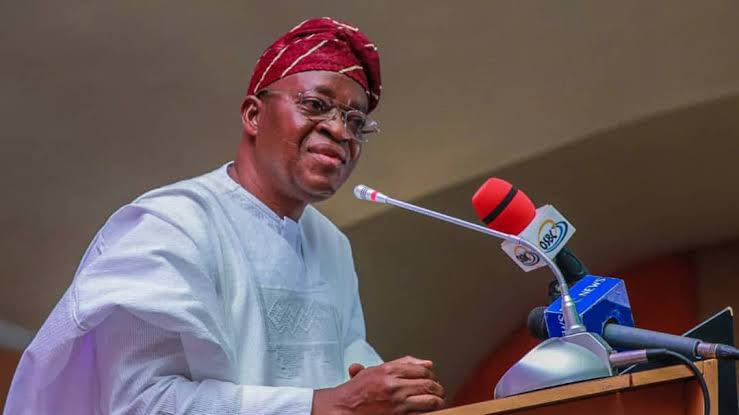
Nigeria has called for stronger European Union support against Gulf maritime crimes, with the Minister of Marine and Blue Economy, Adegboyega Oyetola, warning that the threat landscape in the Gulf of Guinea is evolving beyond piracy into a wider web of illegal fishing, trafficking, and environmental offences. The appeal was made in Abuja during a meeting with the EU Evaluation Mission on the Gulf of Guinea Inter-regional Network, known as GoGIN II.
According to Punch, Oyetola said Nigeria wants deeper collaboration with the EU to confront emerging maritime threats in the Gulf of Guinea, particularly illegal fishing, trafficking, and environmental crimes. That point matters because it shifts the conversation from old piracy headlines to a broader security and economic challenge. In other words, Gulf maritime crimes are no longer only about armed attacks on vessels. They are also about illicit extraction, covert transport networks, and environmental damage that quietly drain coastal economies.
The minister’s appeal came during an engagement tied to the EU-backed GoGIN II project, which was set up to strengthen maritime governance and regional coordination in the Gulf of Guinea. BusinessDay reported last week that Nigeria specifically urged the EU to maintain its support and funding for Gulf of Guinea maritime security as current interventions near completion. That gives extra context to Oyetola’s remarks. This was not a casual diplomatic statement. It was also a signal that Nigeria does not want European support structures to wind down just as the criminal pattern is becoming more complex.
The case he is making is not hard to understand. The Gulf of Guinea remains one of the world’s most strategically important maritime corridors. It handles major shipping traffic, energy movement, fisheries activity, and trade flows that matter not just to Nigeria but to West and Central Africa more broadly. When Gulf maritime crimes rise in such a corridor, the damage spreads far beyond the immediate victims. It affects trade confidence, insurance costs, food systems, coastal livelihoods, and the wider credibility of state authority at sea. This is an inference drawn from the minister’s focus on fishing, trafficking, and environmental harm, combined with the EU’s continuing security cooperation with Nigeria.
There is also a subtle but important shift in language here. For years, Gulf of Guinea security discussions were dominated by piracy and sea robbery. Now, Oyetola is openly foregrounding Gulf maritime crimes such as illegal, unreported and unregulated fishing, trafficking, and environmental offences. That is significant because those crimes are often less visible than piracy but just as corrosive. Illegal fishing strips value from local economies. Trafficking routes can overlap with arms, drugs, or human movement. Environmental crimes degrade marine ecosystems and weaken the long-term promise of the blue economy Nigeria says it wants to build.
The blue economy angle is especially important. On the same day, Punch separately reported Oyetola saying infrastructure deficits and funding gaps are holding back regional fishing, even as the Federal Government tries to reposition fisheries and aquaculture as key drivers of the marine and blue economy. That means the minister’s warning about Gulf maritime crimes is not only about policing. It is also about protecting an economic future Nigeria wants to grow. A country cannot seriously build fisheries, aquaculture, marine transport, and coastal enterprise if its waters are vulnerable to persistent illicit activity.
This is where the EU becomes central to the story. The European Union has been involved in Gulf of Guinea maritime initiatives for years, including support for coordination, governance, and security frameworks. The joint communiqué from the 8th Nigeria-EU Ministerial Dialogue, published by the Council of the European Union on March 23, 2026, said the EU would continue supporting Nigeria on security cooperation among other areas. While the communiqué is broad and not limited to maritime security alone, it helps explain why Abuja is pressing the issue now. Nigeria sees Europe not as a distant observer, but as a partner whose continued engagement still matters.
https://ogelenews.ng/gulf-maritime-crimes
That does not mean Nigeria is outsourcing its waters. It means the government is acknowledging a practical reality: Gulf maritime crimes are transnational by nature. Illegal fishing fleets, trafficking routes, and environmental offences do not respect national borders. Intelligence sharing, capacity building, surveillance partnerships, and regional legal coordination are often more effective when they are backed by multinational cooperation. Oyetola’s argument, at bottom, is that the Gulf of Guinea cannot be secured sustainably by any one coastal state acting alone. That is an inference supported by his call for “deeper collaboration” and the regional design of GoGIN II.
There is a political layer too. Nigeria wants to be seen as the anchor maritime state in the Gulf of Guinea. Its ports, energy exports, fisheries potential, and naval importance make that ambition logical. But leadership in such a region is not only about naval posture. It is also about agenda-setting. By publicly pushing Europe to stay engaged against Gulf maritime crimes, Abuja is trying to shape the next phase of the regional maritime conversation before outside attention shifts elsewhere.
The concern is understandable. International partners often reduce support once a headline threat appears to decline. Piracy in the Gulf of Guinea may no longer dominate global front pages the way it once did, but that does not automatically mean the waters are secure. Sometimes it means the criminal economy has changed form. The minister’s emphasis on fishing, trafficking, and environmental offences suggests Nigeria believes that is exactly what is happening.
This is why the story deserves more than a one-line diplomatic summary. Gulf maritime crimes strike at several Nigerian interests at once. They hurt food security when illegal fishing undermines local catch. They threaten coastal communities when trafficking networks deepen lawlessness. They weaken environmental sustainability when illicit activity damages marine habitats. And they undercut economic planning when the waters meant to support the blue economy become zones of quiet predation.
For Ogele News readers, the important point is that this is not just a foreign affairs story. It is also an economic story, a coastal security story, and a national strategy story. If Nigeria succeeds in pushing stronger action against Gulf maritime crimes, the benefits could extend to fisheries, trade, investor confidence, marine jobs, and regional stability. If it fails, the costs may not always be dramatic, but they will keep accumulating in lost value, weaker institutions, and vulnerable coastal livelihoods.
For now, the facts are clear. Adegboyega Oyetola has urged deeper EU collaboration to confront Gulf maritime crimes in the Gulf of Guinea, especially illegal fishing, trafficking, and environmental crimes. The appeal was made during a meeting in Abuja with the EU Evaluation Mission on GoGIN II. Reports from Punch, The Guardian, and BusinessDay all point to the same message: Nigeria wants sustained and stronger European partnership as maritime threats evolve.
What happens next will matter. If the EU extends or deepens its maritime engagement, Nigeria may gain breathing room to strengthen regional coordination and protect its blue economy ambitions. If that support thins out too quickly, Abuja and its neighbours may find themselves confronting a more diffuse wave of Gulf maritime crimes with fewer external tools at hand. For now, though, one truth stands out. The Gulf of Guinea may be quieter in some respects than it once was, but Nigeria is warning that quieter does not mean safer.
https://punchng.com/minister-urges-eu-action-against-gulf-maritime-crimes/