















I was never Tinubu’s friend — El-Rufai
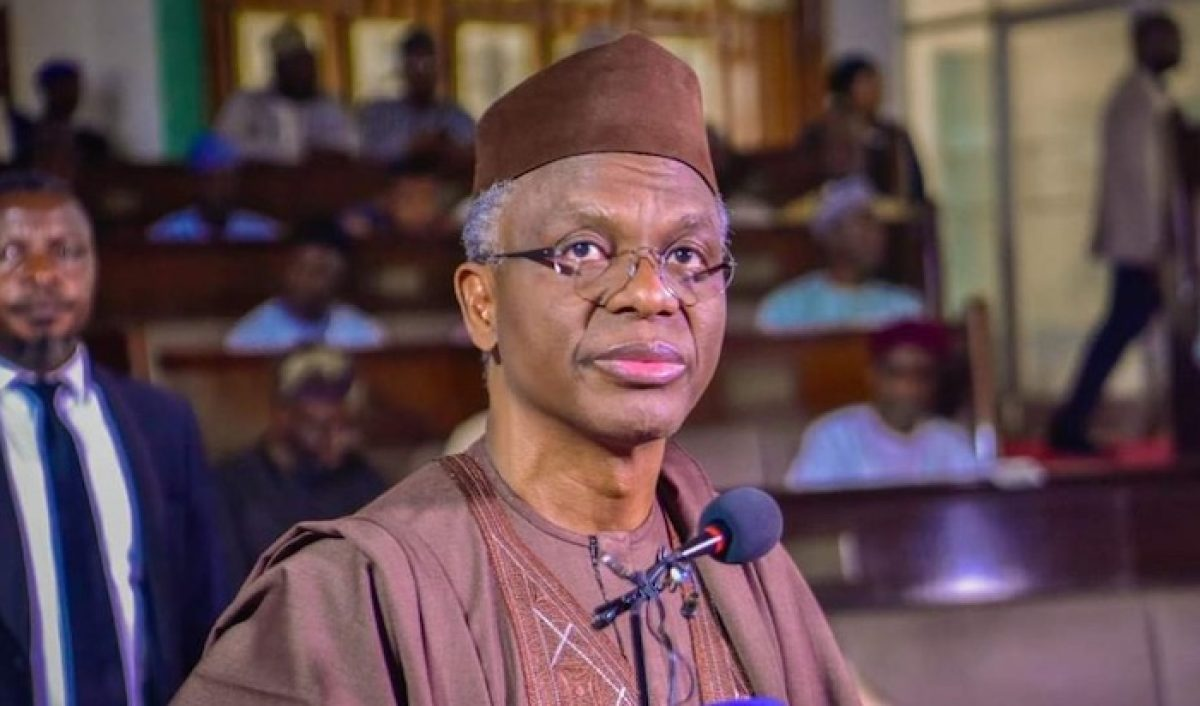
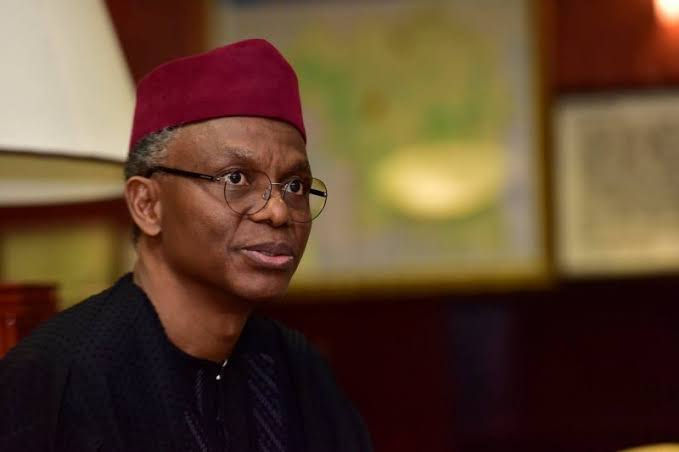
A prominent former governor has stirred public debate with a blunt assertion about his relationship with President Bola Ahmed Tinubu, adding fresh context to long-running political tensions within Nigeria’s ruling circles. Nasir El-Rufai, former Governor of Kaduna State and ex-Minister of the Federal Capital Territory, has openly stated that he was never a personal friend of President Tinubu, rejecting narratives that tied their political alliance to friendship and instead framing their past collaboration as a matter of party strategy and principle rather than close personal ties. 
Speaking in an interview on Trust TV on Monday, El-Rufai addressed simmering speculation about his relationship with Tinubu, clarifying that his support for Tinubu’s 2023 presidential bid was rooted in party loyalty, not personal friendship. “I was never Tinubu’s friend. We never had a personal relationship like the one I had with General Buhari of blessed memory,” El-Rufai said, dismissing the idea that their political alignment was based on any close personal bond. 
His comments come amid an increasingly vocal role as a critic of aspects of the Tinubu administration, and they offer insight into the fractured alliances and shifting loyalties that characterize Nigeria’s political landscape. The insistence that he was never Tinubu’s friend underscores both a distancing from the presidency and a broader reflection on the changing nature of political relationships within the All Progressives Congress (APC). 
The Statement and Its Context
El-Rufai’s declaration that he was never Tinubu’s friend was more than a simple rebuttal of rumours; it was part of a broader critique of governance and political strategy. He explained that his involvement in Tinubu’s presidential campaign was rooted in strategic party discussions and understandings about power rotation after eight years of President Muhammadu Buhari’s leadership. Within the APC, it was widely agreed that power should return to the South, and that context provided the backdrop for his support of Tinubu’s candidacy. 
El-Rufai said he was approached by “certain Islamic stakeholders from the southwest” to back a Muslim presidential candidate from that region, which shaped his participation in the discussions that eventually favoured Tinubu’s campaign. Once Tinubu secured the APC nomination, El-Rufai said he worked in line with his principles and party loyalty. 
Importantly, El-Rufai noted that their relationship was never a close personal one, a point that resonates with earlier reports suggesting he and Tinubu were never very close even during their time in the APC. In a previous interview, he said that “Tinubu never really liked me” and that he identified more closely with former President Buhari within party politics. 
https://ogelenews.ng/i-was-never-tinubus-friend-el-rufai
From Support to Disagreement
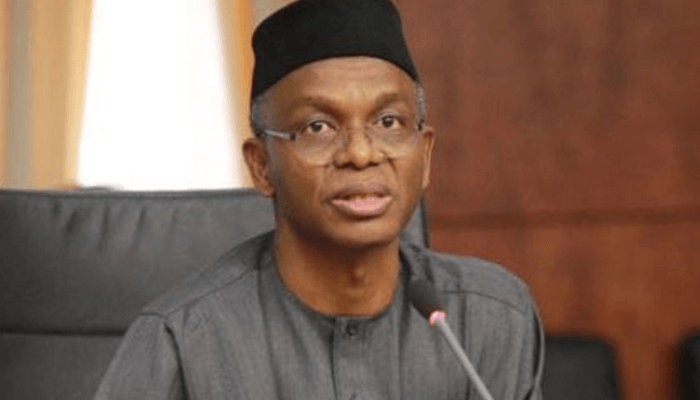
While El-Rufai’s support during the 2023 campaign followed party loyalty, he clarified that a divergence in philosophy and governance style later emerged, contributing to a more public rift. He said they did not “fall out” in a personal sense, but they never really found agreement on key issues, particularly around how governance should be conducted. “We are different people — parallel lines that will never meet,” he told interviewers, adding that his service was motivated by public service rather than self-enrichment or political patronage. 
El-Rufai’s critique touched on broader concerns about the current government’s direction, alleging that its approach was more focused on personal enrichment and political reward than on public service. The former governor, known for his outspoken views, did not limit his criticisms to rhetorical flourishes; he also said that even if he had accepted a ministerial position under Tinubu, he would have resigned, a position echoed in comments he made earlier about his potential appointment. 
Political and Public Reaction
The remarks that he was never Tinubu’s friend have reignited discussions about loyalty, factionalism and political identity within the APC and Nigeria’s broader political discourse. Analysts say the clarity with which El-Rufai framed his relationship with Tinubu helps demystify a long‐standing perception that key figures within the party were close personal allies. Instead, it highlights how political support, especially during elections, often hinges on strategic alignment and party obligations rather than deep personal friendship. 
Critics of the Tinubu administration have seized on El-Rufai’s comments as further confirmation of internal discord within the ruling party, arguing that such public statements reflect deeper issues of cohesion and policy direction. Meanwhile, supporters of Tinubu have maintained that political disagreements do not necessarily equate to personal animosity, and that a pragmatic approach to governance should accommodate differing viewpoints within the party. 
Some commentators have pointed out that political relationships in Nigeria are often fluid and transactional, with alliances shifting based on immediate calculations and evolving interests. In this view, El-Rufai’s statement that he was never Tinubu’s friend is consistent with a political culture where relationships are defined by shared goals and circumstances rather than personal closeness. 
Why This Matters
The assertion that he was never Tinubu’s friend goes beyond personal biography; it speaks to the dynamics of political cooperation, loyalty and governance in Nigeria. As the country prepares for future elections and navigates competing visions for leadership, statements from influential figures like El-Rufai can shape public perception and influence political discourse. 
In a system where party loyalty is often intertwined with individual ambition and ideological clarity is rare, El-Rufai’s comments emphasize that political alignment does not always equate to personal friendship. For many observers, this clarification provides insight into how political relationships in Nigeria are formed, sustained and, in some cases, fundamentally misunderstood. 
As discussions around governance, reform and party unity continue, the distinction between personal friendship and political alliance may carry significant implications for how Nigerians understand political leadership and accountability. 
https://punchng.com/i-was-never-tinubus-friend-el-rufai
I was never Tinubu’s friend — El-Rufai