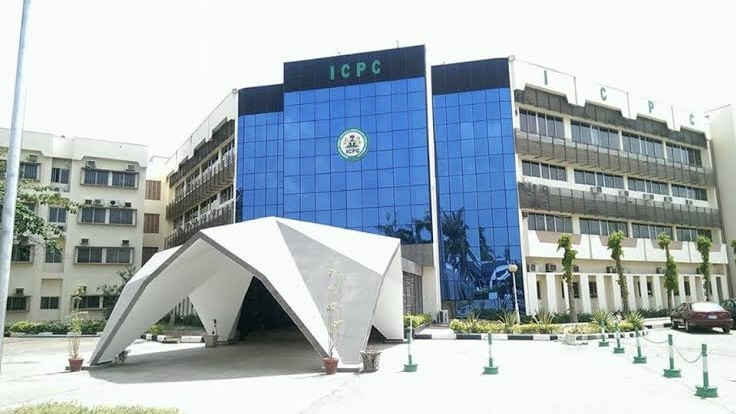














ICPC begins tracking of N21.6bn projects in Sokoto
The headline “ICPC begins tracking of N21.6bn projects in Sokoto” may sound procedural at first glance, but beneath it lies one of Nigeria’s most consequential anti-corruption exercises: the physical verification and audit of billions of naira in public projects intended to serve real communities.
The Independent Corrupt Practices and Other Related Offences Commission (ICPC) has commenced the tracking of 64 executive and constituency projects valued at approximately N21.6 billion in Sokoto State, marking the latest phase in its nationwide monitoring programme. 
This exercise falls under Phase 8 of the ICPC’s Constituency and Executive Projects Tracking initiative, a system designed to verify whether government-funded projects were actually executed, properly funded, and delivered to specification. 
The fact that ICPC begins tracking of N21.6bn projects in Sokoto signals more than routine inspection. It represents a decisive intervention in Nigeria’s struggle against abandoned projects, contract fraud, and misuse of public funds.
ICPC Begins Tracking of N21.6bn Projects in Sokoto
The moment ICPC begins tracking of N21.6bn projects in Sokoto, it sets in motion a rigorous accountability process that will determine whether federal funds allocated for development were used properly or diverted.
According to ICPC officials leading the exercise, the projects under review span key sectors, including health, education, water supply, agriculture, electrification, and special interventions. 
This matters deeply. These sectors form the backbone of community development.
If funds meant for these projects are misused, communities suffer twice: once from poverty, and again from corruption.
ICPC begins tracking of N21.6bn projects in Sokoto specifically to prevent this outcome.
Early Findings Already Reveal Irregularities
When ICPC begins tracking of N21.6bn projects in Sokoto, preliminary inspections immediately uncovered troubling signs.
Investigators identified irregularities in projects located in Kalambaina and Gwuiwa in Wamakko Local Government Area, as well as Mabera and Mana in Sokoto South. 
Some projects failed to meet contractual specifications, meaning contractors either delivered substandard work or failed to complete projects entirely.
Among affected projects were:
• A science laboratory at a senior secondary school
• Community water supply schemes
ICPC officials have ordered contractors to return to site and correct deficiencies. 
This intervention alone demonstrates why ICPC begins tracking of N21.6bn projects in Sokoto: to ensure public funds translate into real infrastructure.
https://ogelenews.ng/icpc-begins-tracking-of-n21-6bn-projects-in-sokoto
Who Awarded These Projects and What Is Being Investigated
When ICPC begins tracking of N21.6bn projects in Sokoto, it is not only examining physical structures.
It is examining the entire procurement chain.
Officials confirmed that the projects were awarded under 14 federal government agencies and were expected to have been fully completed. 
The tracking exercise focuses on several critical questions:
• Was the contractor paid?
• Was the project completed?
• Was it completed properly?
• Was public money diverted?
ICPC begins tracking of N21.6bn projects in Sokoto to answer these questions.
How the Tracking Process Works
The ICPC tracking exercise is a multi-layered audit process involving investigators, engineers, civil society organisations, and media representatives. 
Their mission includes:
• Physical inspection of project sites
• Verification of payment records
• Identification of contractors
• Evaluation of project impact
This systematic process helps ensure transparency and accountability.
ICPC begins tracking of N21.6bn projects in Sokoto to establish whether taxpayers’ money achieved its intended purpose.
Part of a Nationwide Anti-Corruption Strategy
The Sokoto exercise is part of a broader national initiative.
Since launching its tracking programme in 2019, the ICPC has monitored thousands of projects nationwide to improve fiscal discipline and prevent corruption. 
The programme has achieved measurable results, including:
• Contractors returning to abandoned project sites
• Recovery of diverted funds
• Improved project execution standards
ICPC begins tracking of N21.6bn projects in Sokoto as part of this ongoing national reform effort.
Why Constituency and Executive Projects Are Vulnerable
Constituency projects are often funded through federal allocations but implemented locally.
This creates vulnerabilities.
Weak oversight, political interference, and procurement loopholes can lead to abuse.
ICPC begins tracking of N21.6bn projects in Sokoto to close these oversight gaps.
The commission’s intervention ensures contractors comply with contractual obligations.
Implications for Governance and Public Trust
When ICPC begins tracking of N21.6bn projects in Sokoto, it sends a powerful message.
Public funds are not beyond scrutiny.
Government officials, contractors, and agencies must account for their actions.
Transparency strengthens democracy.
Corruption weakens it.
ICPC begins tracking of N21.6bn projects in Sokoto to reinforce accountability.
Community Impact and Development Outcomes
The ultimate purpose of tracking is not punishment alone.
It is development.
Communities depend on these projects for essential services.
Schools need laboratories.
Villages need water supply.
Hospitals need equipment.
ICPC begins tracking of N21.6bn projects in Sokoto to ensure communities receive promised benefits.
Conclusion: Accountability Exercise Could Reshape Project Oversight
The moment ICPC begins tracking of N21.6bn projects in Sokoto marks a critical phase in Nigeria’s anti-corruption efforts.
The outcome could determine whether billions of naira were properly used or misappropriated.
More importantly, it could restore public confidence.
ICPC begins tracking of N21.6bn projects in Sokoto not just to audit contracts—but to protect the future of governance itself.
https://theradar.ng/news/icpc-begins-tracking-n216bn-federal-projects-in-sokoto-state