
















Igboho urges Kanu to embrace dialogue
The call by Yoruba nation activist Sunday Adeyemo, popularly known as Sunday Igboho, urging the detained leader of the Indigenous People of Biafra (IPOB), Nnamdi Kanu, to embrace dialogue with the Federal Government represents a significant shift in tone within Nigeria’s separatist agitation landscape. The story, which has drawn national attention, highlights both the evolution of agitation strategies and the growing emphasis on political negotiation as a pathway to resolving long-standing tensions.
Chief Igboho’s message was clear and strategic. According to reports, he urged Kanu to “vigorously explore dialogue and mediation with the Federal Government to break the deadlock in his ordeal,” emphasizing the importance of peaceful engagement over prolonged confrontation. 
This development carries political and historical significance. Both Igboho and Kanu have emerged as prominent figures in agitation movements seeking greater autonomy or restructuring within Nigeria. However, Igboho’s call for dialogue signals a pragmatic approach grounded in political realism rather than ideological absolutism.
This article critically examines the implications of Igboho’s appeal, its potential impact on Nigeria’s political stability, and what it means for the future of separatist agitation and national unity, Igboho urges Kanu to embrace dialogue.
Igboho’s Appeal Signals Strategic Shift Toward Dialogue
The appeal by Igboho urging Kanu to pursue dialogue marks a significant departure from earlier rhetoric associated with separatist agitation movements. Historically, agitation leaders often relied on protests, civil disobedience, and confrontational messaging to advance their causes.
Igboho’s call for dialogue acknowledges a crucial political reality: sustainable solutions to agitation cannot emerge solely from confrontation. Instead, negotiation, mediation, and political engagement offer viable pathways toward resolution, Igboho urges Kanu to embrace dialogue.
By encouraging dialogue, Igboho effectively recognized that political negotiation can open doors that confrontation cannot. His appeal suggests a willingness among agitation leaders to adopt pragmatic approaches aimed at securing long-term outcomes rather than symbolic victories.
This message is especially relevant given the prolonged detention and legal battles surrounding Kanu’s case, which has remained one of the most politically sensitive legal proceedings in Nigeria, Igboho urges Kanu to embrace dialogue.
Historical Background of Nnamdi Kanu’s Legal and Political Ordeal
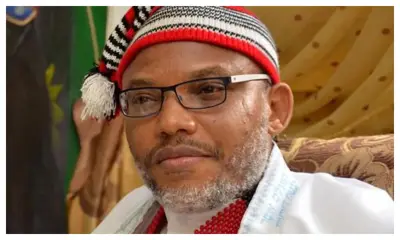
Nnamdi Kanu, leader of IPOB, has remained at the center of Nigeria’s most controversial political and legal disputes in recent years. The Federal Government has prosecuted him on terrorism-related charges, while his supporters view him as a political prisoner advocating self-determination.
IPOB itself represents a separatist movement advocating the restoration of the defunct Republic of Biafra. The organization also established the Eastern Security Network, which authorities consider part of its operational structure. 
Security agencies have accused Kanu of inciting unrest through broadcasts and enforcing controversial sit-at-home orders that disrupted economic activities in Nigeria’s South-East region, Igboho urges Kanu to embrace dialogue.
His trial and detention have generated widespread political debate, with various groups advocating either prosecution or political resolution.
Igboho’s Position Reflects Experience and Political Reality
Igboho’s call for dialogue carries weight because of his own experience confronting the Nigerian state. Like Kanu, Igboho previously faced arrest, detention, and political persecution during his agitation for Yoruba nation self-determination.
Having navigated legal and political challenges, Igboho’s appeal reflects lessons learned from experience. His emphasis on dialogue suggests an understanding that political survival and influence often depend on negotiation rather than confrontation alone.
This strategic maturity distinguishes Igboho’s current position from earlier phases of agitation characterized by uncompromising rhetoric, Igboho urges Kanu to embrace dialogue.
https://ogelenews.ng/igboho-urges-kanu-to-embrace-dialogue
Dialogue as a Tool for Political Resolution
Dialogue has historically played a critical role in resolving political conflicts worldwide. Within Nigeria, several political disputes have been resolved through negotiation, mediation, and reconciliation rather than prolonged confrontation, Igboho urges Kanu to embrace dialogue.
Igboho’s call aligns with previous appeals from political leaders, civil society groups, and international observers who have urged dialogue as a mechanism for resolving agitation-related tensions. 
Dialogue offers several advantages:
• It reduces political tensions
• It creates opportunities for compromise
• It strengthens democratic processes
• It promotes national unity
Igboho’s appeal reinforces the idea that negotiation represents a viable path toward peaceful resolution.
Political and National Implications of Igboho’s Appeal
Igboho’s call for dialogue carries broader implications beyond Kanu’s case. It reflects growing recognition among political actors that unresolved agitation poses long-term risks to national stability.
Agitation movements often emerge from perceived political, economic, or social grievances. Addressing these grievances through dialogue can help strengthen national cohesion.
Igboho’s appeal also positions him as a moderate voice capable of influencing political discourse and shaping future negotiations.
His message signals an emerging consensus that peaceful engagement offers greater potential for achieving political objectives than confrontation, Igboho urges Kanu to embrace dialogue.
Reactions and National Response
Igboho’s appeal has generated widespread reaction across Nigeria’s political spectrum. Supporters of dialogue view his call as a responsible and constructive step toward reducing tensions.
Political analysts have described his appeal as pragmatic, emphasizing that political negotiation offers realistic solutions to complex national challenges.
Civil society groups have also emphasized the importance of dialogue in strengthening democratic governance and resolving political disputes, Igboho urges Kanu to embrace dialogue.
The Federal Government’s Position and Future Prospects
The Federal Government has maintained that Kanu’s case remains a legal matter subject to judicial processes. However, political observers note that dialogue remains possible alongside legal proceedings.
Dialogue does not necessarily undermine judicial processes. Instead, it can complement legal mechanisms by addressing broader political concerns.
Igboho’s appeal may help create momentum toward political engagement and negotiation, Igboho urges Kanu to embrace dialogue.
Conclusion: Igboho’s Appeal Reflects Political Maturity and Strategic Vision
Sunday Igboho’s call urging Nnamdi Kanu to embrace dialogue represents a significant moment in Nigeria’s political landscape. It reflects strategic maturity, political realism, and recognition of dialogue as a powerful tool for conflict resolution.
By encouraging dialogue, Igboho demonstrated leadership grounded in pragmatism rather than ideology. His appeal offers a potential pathway toward reducing political tensions and strengthening national unity.
Ultimately, dialogue remains the most effective mechanism for resolving political disputes in democratic societies.
Igboho’s message may mark the beginning of a new phase in Nigeria’s agitation discourse—one defined not by confrontation, but by negotiation, engagement, and political resolution.
https://punchng.com/yoruba-nation-activist-igboho-urges-nnamdi-kanu-to-embrace-dialogue-with-fg

Igboho urges Kanu to embrace dialogue.