














Iran national security chief killed
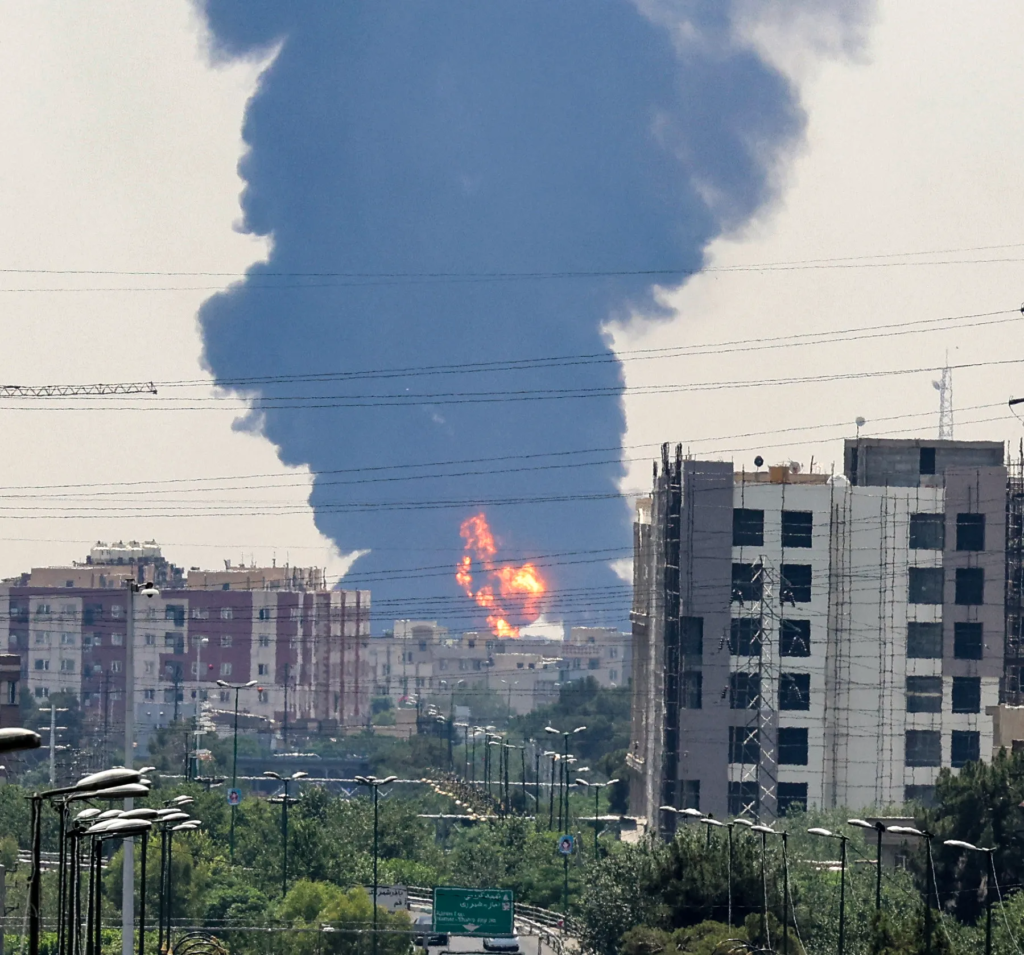
Israel has claimed that Ali Larijani, one of Iran’s top security officials, was killed in an overnight strike, in what would mark another major escalation in the war if independently confirmed. The claim was made on Tuesday by Israeli Defence Minister Israel Katz, who said Larijani had been eliminated in an Israeli attack. As of the latest reports, however, Tehran had not publicly confirmed his death, making the story one that must still be treated with caution.
The phrase Iran national security chief killed has since moved rapidly across global headlines, but the most responsible reading of events is narrower than the blunt headline suggests. Reuters reported earlier that four Israeli officials said Larijani had been targeted, while his fate was still unclear. A later Reuters dispatch then said Katz publicly announced that Larijani had been killed. That sequence is important because it shows the story moved from uncertainty to a formal Israeli claim, but not yet to an independently verified Iranian confirmation.
If confirmed, the Iran national security chief killed claim would amount to one of the most consequential blows yet to Iran’s leadership since the outbreak of the current war. Reuters described Larijani as Iran’s security chief, while Israeli-linked reports identified him as secretary of Iran’s National Security Council. Either way, he was presented as a key figure at the heart of Iran’s security architecture, and his reported death would deepen the leadership vacuum already created by earlier strikes on senior Iranian figures.
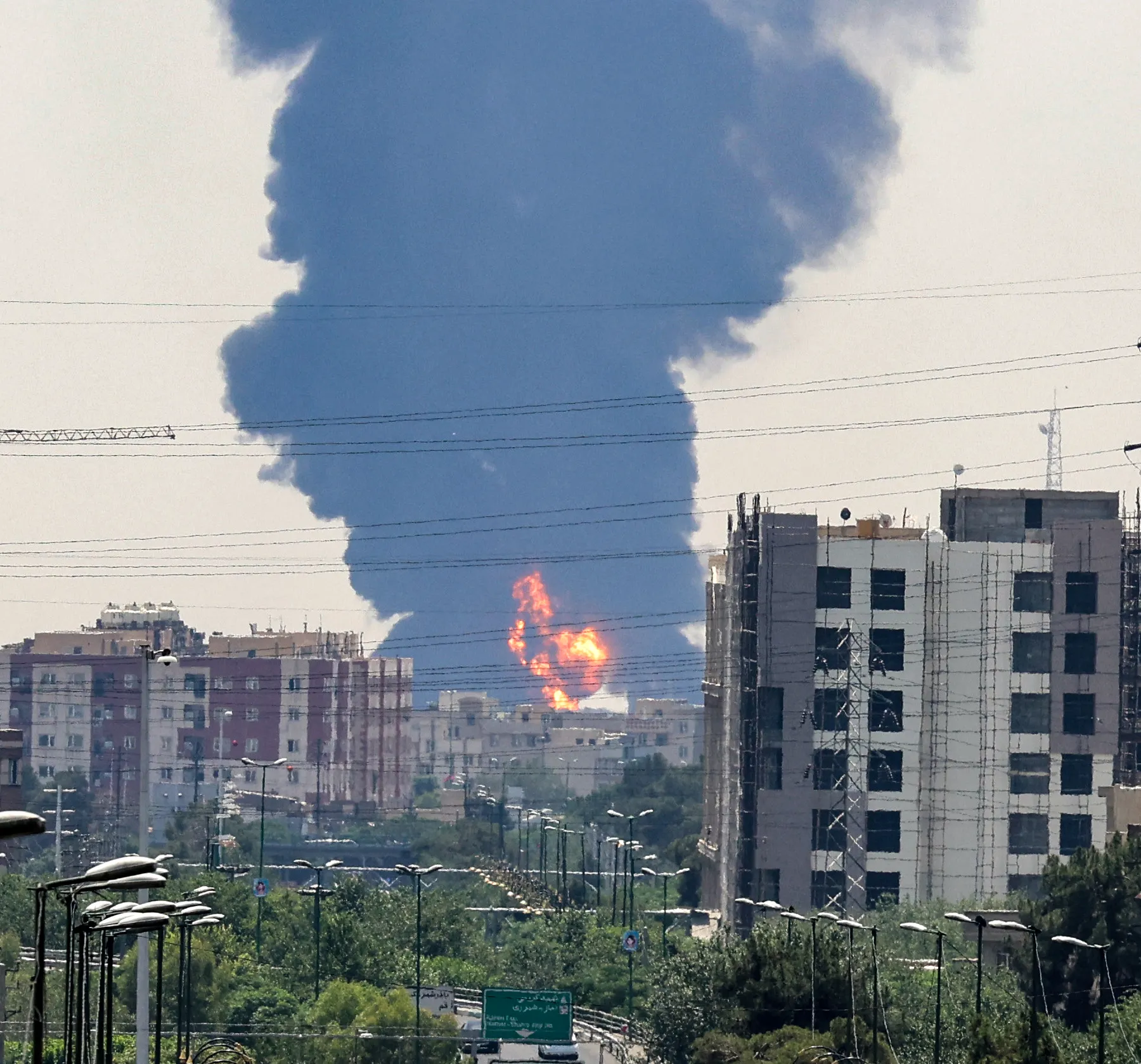
The timing of the claim also matters. The conflict has already entered a dangerous phase, with Reuters reporting that the war began on February 28 and has spread into a broader regional confrontation involving missile, drone and air strikes. According to Reuters and AP, Israel also said the same wave of attacks killed Gholamreza Soleimani, the head of Iran’s Basij militia. That means the Iran national security chief killed headline is not an isolated development. It sits inside a larger Israeli effort to degrade the top layers of Iran’s military and internal security system.
For newsrooms, this is where discipline matters. A careless rewrite would say Larijani is dead, full stop. A better report explains that Israel says he is dead, that Iran has not yet confirmed it in the reporting now available, and that the fog of war can distort first claims from all sides. That framing protects accuracy while still conveying the gravity of the moment. In a conflict this volatile, the difference between “killed” and “claimed killed” is not a minor editorial detail. It is the difference between reporting and amplification.
https://ogelenews.ng/irans-national-security-chief-killed-says-israel
The broader strategic significance of the Iran national security chief killed claim lies in what it says about Israel’s reach. Reuters and AP reports indicate Israel has continued to strike top Iranian figures and strategic targets deep inside Iran. If Larijani was indeed killed, it would suggest Israeli intelligence and strike capabilities remain potent even after weeks of retaliatory attacks from Tehran and its allies. It would also reinforce the impression that Israel is not merely attacking infrastructure, but trying to decapitate command structures around the Iranian state.
For Iran, the political cost could be enormous. Leadership losses at this level do not just weaken military planning. They can also create uncertainty inside the state, fuel internal mistrust, and complicate decision-making at a moment when the country is under direct external pressure. Reuters separately reported that Iran’s new supreme leader has rejected proposals to reduce tensions, suggesting there is no immediate diplomatic off-ramp. In that atmosphere, any credible Iran national security chief killed report becomes more than a casualty update. It becomes a signal that the war is still climbing the ladder of escalation.
There is also an information war running alongside the air war. Israel wants to project momentum and operational dominance. Iran, on the other hand, has reasons to tightly control announcements around senior officials, especially when those deaths could affect morale, internal order, and regional perception. That is why the Iran national security chief killed narrative must be handled carefully until more direct confirmation emerges from Tehran or from independent evidence. What is certain for now is that Israel has made the claim publicly and prominently. What remains uncertain is whether Iran will confirm, deny, or reframe it.
The immediate consequence is that the region wakes up to another high-risk moment. AP reported wider missile and drone attacks across the Gulf and beyond, while Reuters noted that the Strait of Hormuz remains under severe pressure and that oil market fears continue to rise. In that context, the Iran national security chief killed story is not just about one official. It is about whether this war is moving into an even more dangerous stage where the destruction of leadership circles becomes routine.
For now, the clearest, most defensible version of the story is this: Israel says it killed Ali Larijani, one of Iran’s top security officials, in an overnight strike; Reuters earlier reported his fate was unclear before Israel’s defence minister made the claim; and Iran had not publicly confirmed the death in the reporting currently available. That may yet change. But until it does, that is the line serious journalism should hold.
https://punchng.com/irans-national-security-chief-killed-says-israel