

















Joint Task Force

The Joint Task Force (JTF) has declared that oil thieves operating across the Niger Delta have been significantly degraded, pointing to improved operational outcomes recorded in recent months as security forces intensify efforts to protect Nigeria’s critical oil infrastructure.
According to military sources, coordinated land, air, and maritime operations have weakened the networks behind crude oil theft, illegal refining, and pipeline vandalism, crimes that have for years drained Nigeria’s economy and destabilised communities in the oil-producing region.
The announcement by the Joint Task Force comes amid renewed national focus on boosting crude oil production, stabilising revenue inflows, and restoring investor confidence in the Niger Delta.
Joint Task Force Reports Improved Operational Outcomes
https://ogelenews.ng/joint-task-force
Speaking on the latest security assessment, the Joint Task Force said sustained operations have disrupted supply chains used by oil thieves, destroyed illegal refining sites, and reduced access routes through creeks and waterways.
Military commanders involved in the operations noted that the degradation of Niger Delta oil thieves is the result of intelligence-led raids, increased surveillance, and closer collaboration with other security agencies.
According to the Joint Task Force, several notorious camps used for illegal bunkering have been dismantled, while key coordinators in oil theft rings are now under investigation or facing prosecution.
How Oil Theft Has Hurt the Niger Delta and Nigeria
Oil theft has long been one of the most damaging crimes in Nigeria’s energy sector. Beyond lost revenue, the practice has:
• Reduced daily crude oil output
• Caused massive environmental pollution
• Destroyed farmlands and fishing waters
• Fueled insecurity in riverine communities
The Joint Task Force explained that degrading oil thieves in the Niger Delta is not only a security victory but also an environmental and economic necessity.
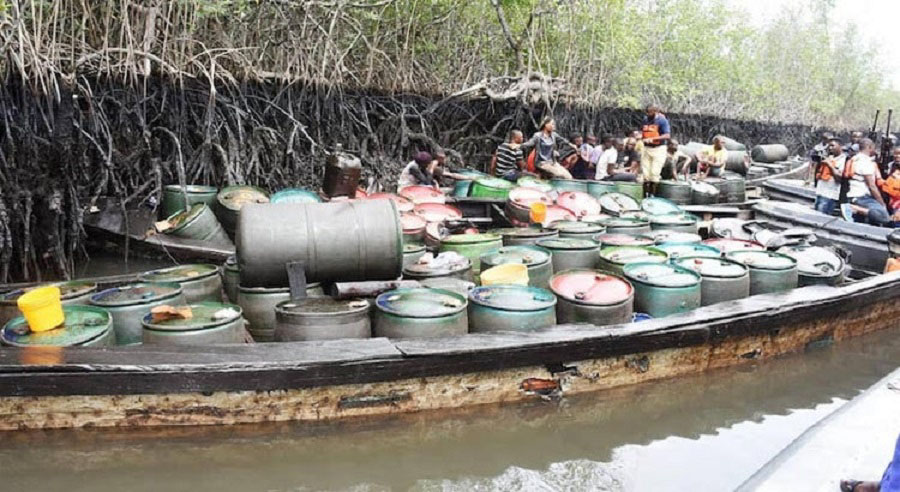
“When pipelines are vandalised, entire communities suffer. Our goal is not just arrests but long-term stability,” a senior security official said.
Intelligence, Technology, and Community Engagement
Officials attribute the improved operational outcomes to better intelligence gathering and the deployment of modern surveillance tools, including aerial monitoring and maritime patrols.
The Joint Task Force also acknowledged the growing role of community cooperation, saying information from locals has helped security forces identify illegal refining camps hidden deep within mangrove forests.
This approach marks a shift from purely force-based tactics to a mix of enforcement, intelligence, and local engagement aimed at sustaining the degradation of Niger Delta oil thieves.
Impact on Crude Oil Production
Security analysts say the reported success of the Joint Task Force is already reflecting in Nigeria’s oil output, which had previously dipped due to widespread theft and pipeline sabotage.
With oil thieves degraded and key routes disrupted, oil companies are gradually restoring shut-in production, while export terminals report fewer disruptions.
Industry experts believe that if the Joint Task Force sustains current momentum, Nigeria could stabilise production levels and improve its standing within OPEC quotas.
Environmental Recovery Still a Challenge
Despite the gains, environmental experts warn that decades of illegal refining have left deep scars across the Niger Delta. Polluted rivers, soot-covered communities, and destroyed ecosystems will require years of remediation.
The Joint Task Force stated that while degrading oil thieves is critical, long-term recovery will depend on cleanup efforts, enforcement of environmental laws, and economic alternatives for youths drawn into oil theft.
Calls for Sustained Action and Transparency
Civil society groups have welcomed the announcement but urged authorities to ensure transparency and consistency.
They argue that past claims of success against oil thieves faded due to corruption, political interference, or reduced funding for security operations.
For the degradation of Niger Delta oil thieves to be permanent, experts say arrests must lead to convictions, and seized assets must be properly accounted for.
What This Means Going Forward
The Joint Task Force insists it will not relent, warning that remaining oil theft syndicates are still capable of regrouping if pressure eases.
Security operations are expected to continue across Rivers, Delta, Bayelsa, and other oil-producing states, with renewed emphasis on protecting pipelines, export terminals, and host communities.
As Nigeria struggles to stabilise its economy, the success or failure of efforts to eliminate oil theft in the Niger Delta may prove decisive