














Kano Governor joins APC
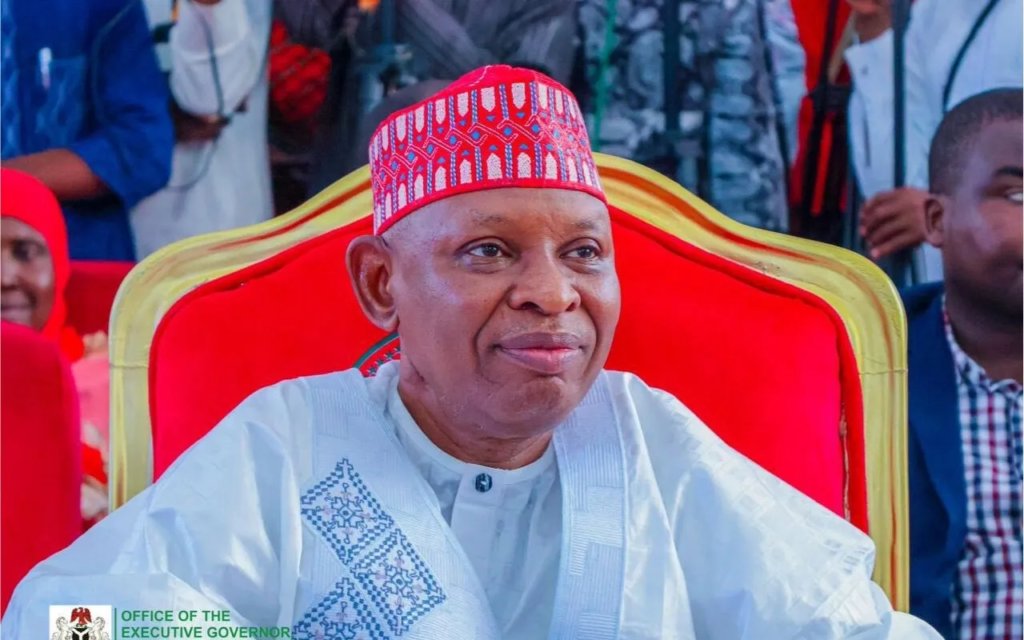
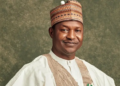
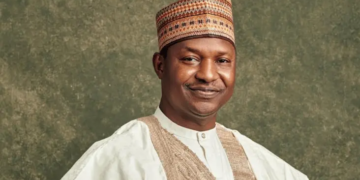
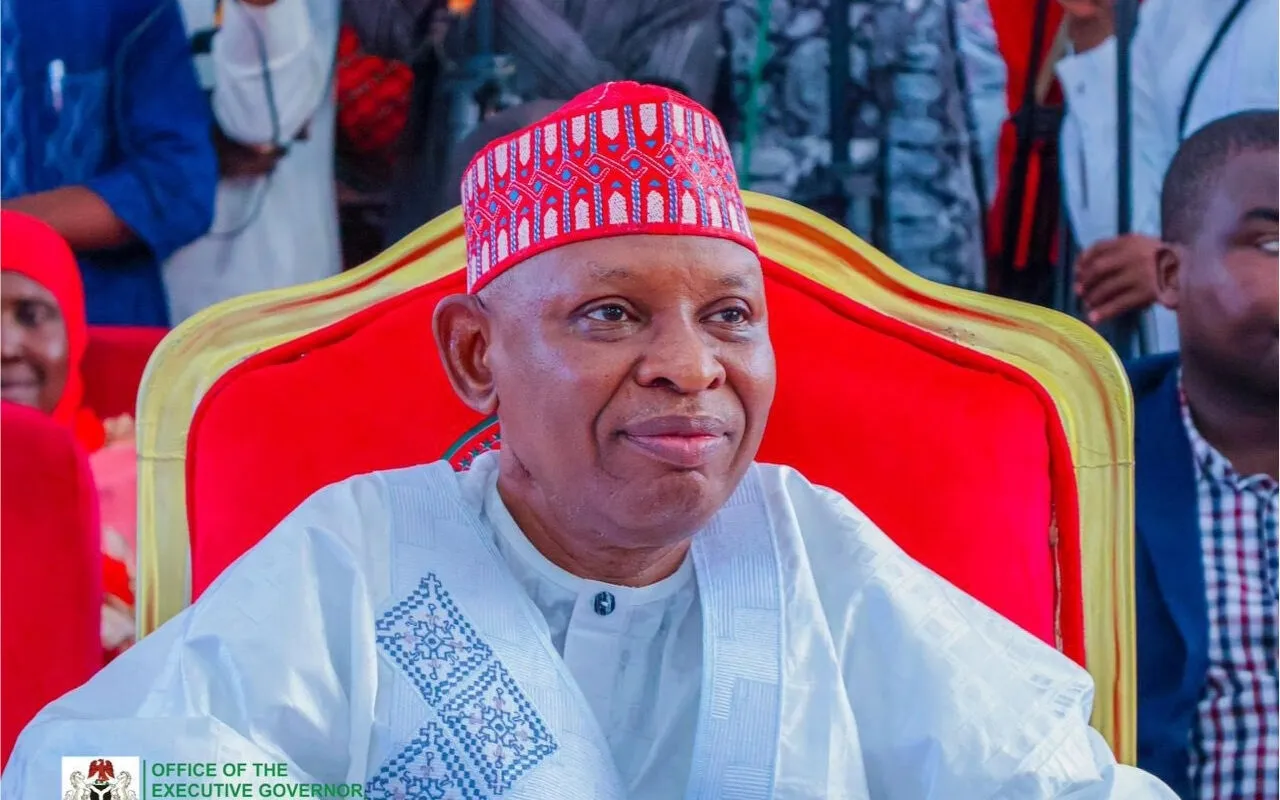
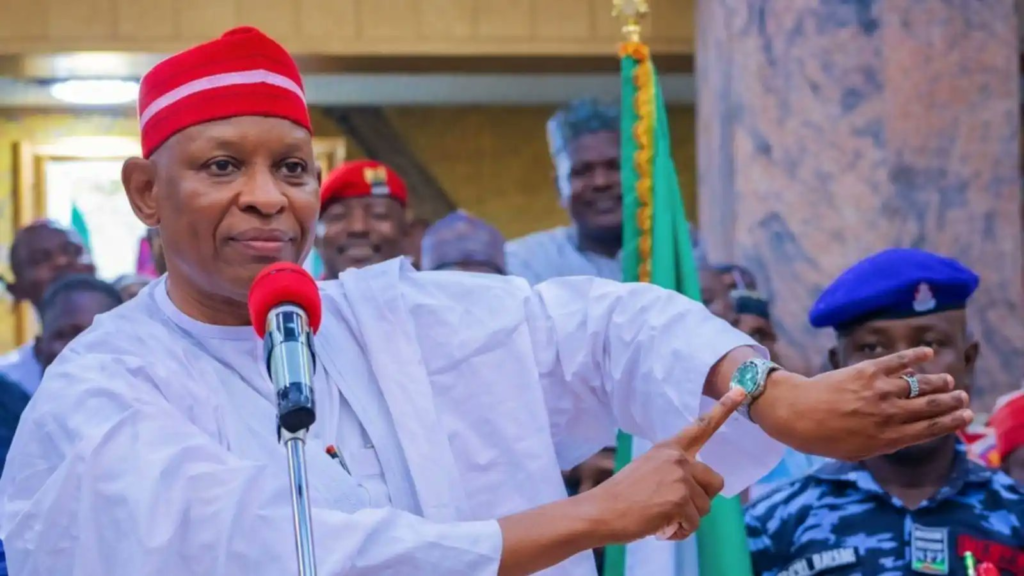
In what political analysts are describing as the most significant political earthquake in Northern Nigeria this year, Kano State Governor Abba Kabir Yusuf on Monday formally rejoined the All Progressives Congress, bringing with him 74 elected officials in a move that has permanently altered the political landscape of Nigeria’s most populous state.
The historic defection ceremony, which took place at the Kano State Government House, saw the governor officially register as an APC member alongside 22 state lawmakers, eight federal legislators, and all 44 local government chairmen, marking a complete political realignment that has left the New Nigeria Peoples Party in tatters and Senator Rabiu Musa Kwankwaso politically isolated.
Kano Governor joins APC in Spectacular Homecoming
Governor Yusuf’s return to the APC represents more than just a political defection; it marks the culmination of weeks of intense negotiations and the end of nearly four decades of political association with his former benefactor, Kwankwaso. The ceremony, which attracted key party leaders from within and outside the state, was punctuated by the symbolic hoisting of APC flags at the Government House gates, replacing the red and white banners of the NNPP that had flown there since the governor’s 2023 electoral victory.
Speaking through his spokesperson, Sunusi Bature Tofa, the governor described his decision to join the APC as a strategic move guided by the “prevailing realities of governance, national political dynamics, and the collective interest of the people of Kano State.” The statement emphasized that to the Kano governor, the APC “remains a familiar and well-structured platform for progressive governance,” recalling that he first joined the party in 2014 when he won the APC primary election for the Kano Central Senatorial District, a ticket he later stepped down from in favor of Kwankwaso.
The Kano governor’s defection to APC has been months in the making. Sources close to the negotiations revealed that Governor Yusuf had been working behind the scenes to secure the backing of National Assembly members, state legislators, and local government chairmen since late 2025. The governor’s strategic engagement with President Bola Ahmed Tinubu at the Presidential Villa on January 19 appeared to have provided the final political cover needed for the defection.
https://ogelenews.ng/kano-governor-joins-apc
Mass Exodus Rocks NNPP as Power Shifts
The scale of the defection has shocked even seasoned political observers. When the Kano governor officially joins APC, he brings with him not just symbolic support but concrete political machinery that effectively erases NNPP’s presence from Kano’s political map. The 22 state lawmakers who defected represent more than 80 percent of the Kano State House of Assembly, including Speaker Yusuf Falgore, giving the governor overwhelming control of the legislature.
At the federal level, eight members of the House of Representatives have followed the governor into the APC fold. Only one federal lawmaker, the member representing Tarauni Federal Constituency who is Kwankwaso’s son-in-law, is confirmed to be remaining with the NNPP. The defection of all 44 local government chairmen means that the governor now controls grassroots political structures across every corner of Kano State, a development that political analysts say will be crucial in the run-up to the 2027 general elections.
The Kano governor’s move to join APC has fractured the Kwankwasiyya movement that dominated the state’s politics for decades. Several commissioners and top government officials have refused to leave the NNPP, including Dr. Yusuf Kofar-Mata (Science and Technology), Nasiru Garo (Special Duties), Mustapha Kwankwaso (Sports), and AVM Ibrahim Umar (retd.). Most significantly, Deputy Governor Aminu Abdussalam Gwarzo has publicly declared his intention to remain with Kwankwaso and the NNPP, setting the stage for potential executive conflict and raising questions about the stability of the state government.
Kwankwaso Declares “World Betrayal Day”
The political fallout from the defection has been dramatic. Kwankwaso, who invested enormous political capital to secure Yusuf’s victory in the 2023 gubernatorial election, has labeled January 23 as “World Betrayal Day,” a date that marks when the Kano governor formally resigned from NNPP. Addressing supporters at his Miller Road residence in Kano, Kwankwaso accused the governor of abandoning the platform and movement that brought him to power.
“The NNPP and the Kwankwasiyya movement invested enormous political capital and goodwill to secure Yusuf’s victory in the 2023 governorship election,” Kwankwaso said, his voice heavy with emotion. “Raising funds for a movement is not easy, but we are proud of your loyalty. We need people who are committed to progressive ideals, not those who can be swayed by money.”
The former Kano governor urged his remaining followers to prepare for an intense political contest ahead of the 2027 general elections, cautioning against abandoning ideological principles for personal gain. “If not for the perseverance of people like you, even I could have been compromised,” Kwankwaso added. “The struggle for freedom is never easy, but it is worth sustaining.”
Strategic Calculations Behind the Move
Political analysts have identified several strategic factors that influenced the Kano governor’s decision to join APC. Governor Yusuf stated that the move would “strengthen cooperation with the Federal Government and fast-track infrastructural development, security coordination and effective service delivery across Kano State.” The governor has been increasingly vocal about security challenges facing the state, particularly following the tragic killing of a housewife and her six children in Dorayi Chiranchi, which he described as “deeply disturbing.”
By joining the APC, the governor gains direct access to federal resources and the political machinery of the ruling party, advantages that could prove crucial for his administration’s development agenda and his political future. The timing of the defection, coming just before the APC’s state congresses scheduled for February, allows the governor to participate in party leadership selection and potentially take full control of the APC structure in Kano.
However, sources close to the negotiations revealed that the defection was not without controversy. Initial reports suggested that the Kano governor had demanded an automatic gubernatorial ticket for the 2027 elections, a proposal that APC leaders at both state and national levels firmly rejected. The party emphasized that all candidates, regardless of their political stature, must participate in the party’s primary processes. This stance becomes particularly significant given that Deputy Senate President Barau Jibrin is widely viewed as a strong contender for the 2027 Kano gubernatorial race and wields considerable influence within the APC’s state structure.
Cabinet Shakeup Deepens Political Crisis
The governor wasted no time in consolidating his position following the defection. On Saturday, barely a day after announcing his resignation from NNPP, the Kano governor sacked his Special Adviser on Political Matters, Sunusi Surajo, a key figure in the Kwankwasiyya political structure who served as chairman of Madobi Local Government Area. Surajo was replaced by a former aide to an ex-governor and former APC national chairman, a move widely interpreted as the governor purging Kwankwaso loyalists from his administration.
Deputy Governor Gwarzo’s conspicuous absence from three successive official engagements at Government House has fueled speculation about his political future. Senior political sources have revealed that plans are being considered to deploy loyal lawmakers in the House of Assembly to initiate impeachment proceedings against Gwarzo if he continues his alignment with Kwankwaso. The deputy governor has reportedly been attending meetings at Kwankwaso’s residence, signaling his continued loyalty to the NNPP leader.
National Implications for 2027
The defection of the Kano governor to APC represents more than just a state-level political realignment; it has significant implications for the national political landscape ahead of the 2027 general elections. Since President Tinubu assumed office in May 2023, Nigeria has witnessed a surge in defections by opposition governors, National Assembly members, and state lawmakers to the APC, particularly from the Peoples Democratic Party, Labour Party, and NNPP.
The PDP has accused Tinubu and the APC of attempting to turn Nigeria into a one-party state, an allegation the president has denied, insisting instead that more Nigerians are voluntarily embracing the ruling party. The Kano governor’s defection to APC effectively eliminates NNPP as a governing party at the state level, leaving the opposition further weakened in the face of the ruling party’s dominance.
Kano has long been regarded as a strategic political stronghold in Northern Nigeria, and the Kano governor’s decision to join APC significantly alters the balance of power in the North-West region. With control of the state’s political machinery now firmly in APC hands, the party’s prospects for the 2027 elections in Kano and surrounding states have improved dramatically.
The APC State Secretary in Kano, Ibrahim Zakari Sarina, welcomed the governor’s return, revealing that the party had reserved registration number 001 for the governor, a symbolic gesture underscoring the significance of his defection. The formal launch of the APC e-registration exercise in the state, led by Governor Yusuf, is expected to trigger a fresh wave of grassroots membership recruitment across Kano.
As political realignments continue to reshape Nigeria’s democratic landscape, the historic defection of the Kano governor to APC serves as a potent reminder that in Nigerian politics, party loyalty often takes a backseat to political survival and strategic advantage. For Kwankwaso and the remnants of the NNPP, the path forward appears increasingly uncertain as they confront the reality of operating as an opposition party without control of any state government.
Kano Governor joins APC