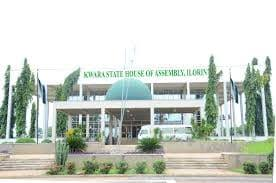










The Kwara State House of Assembly has passed the state’s ₦656.5 billion 2026 appropriation bill, approving an increase of ₦10.5 billion over the original budget proposal submitted by the executive arm of government.
The passage of the budget followed weeks of legislative scrutiny, committee reviews, and sector-by-sector engagements with ministries, departments, and agencies. The decision by lawmakers means that the Kwara assembly passes ₦656.5bn 2026 budget at a time when states across Nigeria are under growing pressure to balance development needs with shrinking fiscal space.
The approved budget is expected to guide government spending for the 2026 fiscal year, with emphasis placed on infrastructure, education, healthcare, and economic development.
Breakdown of the Budget Increase
According to details from the assembly, the ₦10.5 billion increase introduced during the legislative process was driven by adjustments made to key sectors considered critical to the state’s growth and social stability.
Lawmakers explained that the revisions were necessary to accommodate emerging priorities, address gaps identified during budget defence sessions, and ensure that allocations better reflect the realities facing citizens.
As the Kwara assembly passes ₦656.5bn 2026 budget, analysts note that such upward adjustments, while not uncommon, often signal increased expectations on government performance and service delivery.
Legislative Process and Oversight
The passage of the appropriation bill followed a clause-by-clause consideration at plenary, where lawmakers reviewed recommendations from various standing committees. These committees had earlier engaged heads of ministries and agencies to justify their spending plans.
Speaking during the session, the Speaker of the House commended members for what he described as a thorough and transparent process. He noted that the decision to approve the increase was guided by the need to ensure realistic funding for priority projects.
The Kwara assembly passes ₦656.5bn 2026 budget decision, he said, reflects the legislature’s constitutional role in safeguarding public funds while supporting development.
Focus Areas of the 2026 Budget
Although full sectoral details are expected to be released by the state government, lawmakers indicated that capital expenditure remains a major component of the budget. Infrastructure development, including roads, schools, and health facilities, reportedly received significant attention.
Education and healthcare were also highlighted as sectors benefiting from improved allocations, in line with the administration’s stated commitment to human capital development.
With the Kwara assembly passes ₦656.5bn 2026 budget now approved, attention shifts to implementation and the government’s capacity to translate allocations into measurable outcomes.
https://ogelenews.ng/kwara-assembly-passes-656-5bn-2026-budget
Economic Context and Fiscal Pressures
The passage of the 2026 budget comes amid persistent economic challenges facing Nigerian states, including inflation, rising debt servicing costs, and fluctuating federal allocations.
Public finance experts say the Kwara assembly passes ₦656.5bn 2026 budget move underscores the delicate balancing act faced by subnational governments. On one hand is the demand for increased spending to address infrastructure deficits and social needs. On the other is the reality of limited revenue sources.
Some analysts caution that budget size alone does not guarantee development, stressing the importance of prudent execution, transparency, and monitoring.
Lawmakers React
Several lawmakers described the approved budget as people-oriented, insisting that the additional ₦10.5 billion would strengthen the government’s ability to respond to pressing needs.
They urged the executive to ensure strict adherence to the approved allocations and avoid unnecessary virement without legislative approval.
As the Kwara assembly passes ₦656.5bn 2026 budget, legislators also called for timely release of funds to MDAs to prevent delays that often undermine project delivery.
Public Expectations and Accountability
Civil society groups in the state have welcomed the completion of the budget process but emphasized the need for accountability. They argue that citizens are more interested in visible results than headline figures.
For residents, the Kwara assembly passes ₦656.5bn 2026 budget announcement raises expectations around improved roads, better schools, functional healthcare facilities, and job creation.
Budget transparency advocates have urged the state government to publish detailed budget documents and provide regular updates on implementation progress throughout the fiscal year.
Executive–Legislative Relations
Observers say the smooth passage of the budget suggests a relatively stable working relationship between the executive and the legislature. Such cooperation, they argue, can accelerate policy execution if properly managed.
However, some analysts warn that harmony should not come at the expense of oversight. The Kwara assembly passes ₦656.5bn 2026 budget process, they say, must be followed by rigorous monitoring to ensure funds are used as approved.
Looking Ahead
With the appropriation bill now passed, the final step is assent by the governor, after which implementation for the 2026 fiscal year can formally commence.
As Kwara assembly passes ₦656.5bn 2026 budget headlines circulate, attention will increasingly turn to how effectively the funds are deployed and whether the ₦10.5 billion increase delivers tangible benefits to residents.
For many citizens, the true test of the 2026 budget will not be its size, but its impact on daily life.
https://www.lawnigeria.com/Constitution