















Lagos launches 150KVA solar power system for Radio Lagos, Eko FM
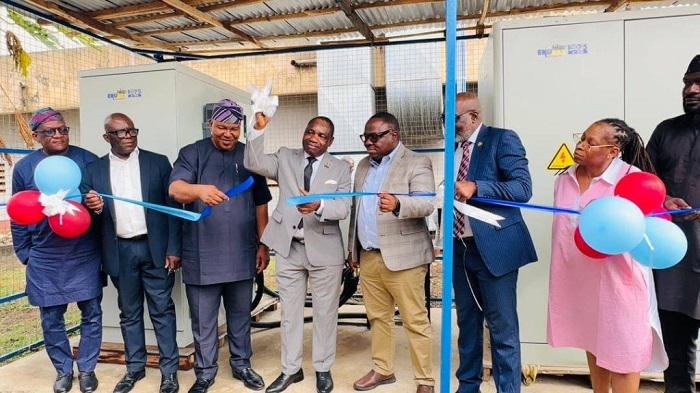
The Lagos State Government has taken another step toward reshaping its energy landscape with the commissioning of a 150KVA solar power system to power Radio Lagos and Eko FM, two of the state’s most influential broadcast platforms.
The project, unveiled in Ikeja, is designed to deliver clean, stable, and uninterrupted electricity to the stations, marking a shift away from reliance on diesel generators and inconsistent grid supply.
The development has drawn attention under the theme Lagos launches 150KVA solar power system for Radio Lagos, Eko FM, not simply because of the installation itself, but because of what it represents in the broader context of public infrastructure reform.
A shift from diesel to renewable energy
At the core of the project is a simple but important change.
Instead of relying on diesel-powered generators and unstable electricity supply, the stations will now operate using a dedicated solar system capable of supporting critical broadcasting operations.
According to the Commissioner for Information and Strategy, Gbenga Omotoso, the system is expected to enhance access to reliable and sustainable energy while reducing operational strain on the stations.
This is why Lagos launches 150KVA solar power system for Radio Lagos, Eko FM should not be seen as symbolic.
It is practical.
It directly addresses:
- Power instability
- High fuel costs
- Environmental concerns
What the 150KVA system actually means
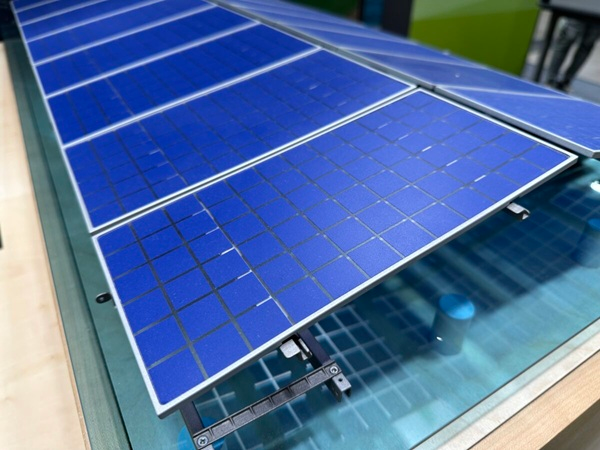
The 150KVA solar installation is not a backup system. It is designed as a primary energy solution.
Officials say it can:
- Deliver stable electricity for broadcasting equipment
- Power security and communication systems
- Support near 24-hour operation without interruption
For a broadcast station, this is critical.
Radio Lagos and Eko FM are not just media outlets. They are public communication infrastructure, used for:
- Government announcements
- Emergency information
- Public awareness campaigns
So when Lagos launches 150KVA solar power system for Radio Lagos, Eko FM, it is strengthening a communication backbone, not just reducing electricity bills.
Impact on broadcasting and service delivery
The immediate effect of the project is reliability.
The General Manager of the stations, Jide Lawal, described the system as a turning point, saying it allows uninterrupted broadcasting regardless of power fluctuations.
He noted that the stations can now operate “rain or shine, day or night,” without the burden of fuel costs or outages.
This is where Lagos launches 150KVA solar power system for Radio Lagos, Eko FM becomes a service story.
Listeners benefit through:
- Continuous programming
- Improved signal consistency
- Faster dissemination of public information
Cost savings and operational efficiency
Beyond reliability, the economic argument is strong.
Diesel has become increasingly expensive, and many government facilities spend heavily on fuel to maintain operations.
By switching to solar:
- Fuel costs drop significantly
- Maintenance becomes more predictable
- Budget pressure is reduced
Officials have described the project as a cost-saving measure that will improve efficiency across government operations.
https://ogelenews.ng/lagos-launches-150kva-solar-power-radio-lagos-eko-fm
This financial angle is key to understanding why Lagos launches 150KVA solar power system for Radio Lagos, Eko FM is likely to be replicated in other sectors.
Environmental and policy significance
There is also a climate dimension.
The shift to solar energy reduces carbon emissions and aligns with broader environmental goals.
The Lagos government has been increasingly vocal about transitioning to renewable energy as part of its long-term infrastructure strategy.
Recent policy direction includes:
- Expansion of solar systems across public facilities
- Plans for large-scale solar deployment
- Reduction in fossil fuel dependence
This places Lagos launches 150KVA solar power system for Radio Lagos, Eko FM within a larger environmental framework.
It is not an isolated project.
It is part of a transition.
Why this matters beyond Lagos
While the project is local, its implications are wider.
Across Nigeria, many public institutions struggle with:
- Unstable electricity supply
- High energy costs
- Operational disruptions
The Lagos model offers a possible pathway.
If successful, it could encourage:
- Adoption of solar in government facilities
- Reduced reliance on diesel nationwide
- Improved service delivery in critical sectors
This is why Lagos launches 150KVA solar power system for Radio Lagos, Eko FM may become a reference point for other states.
Challenges and sustainability questions
However, the project is not without challenges.
For long-term success, the system must:
- Be properly maintained
- Be protected from technical failure
- Be supported with trained personnel
There is also the question of scalability.
Can similar systems be deployed across:
- Hospitals
- Schools
- Government offices
These are the next tests for the policy direction behind Lagos launches 150KVA solar power system for Radio Lagos, Eko FM.
What to watch next
Going forward, several indicators will determine the success of the initiative:
- Performance of the solar system over time
- Reduction in operational costs
- Expansion to other public institutions
- Measurable improvement in service delivery
If these metrics hold, Lagos may quietly build one of the most practical renewable energy models in Nigeria.
Bottom line
The installation is small in scale but significant in meaning.
Lagos launches 150KVA solar power system for Radio Lagos, Eko FM is not just about electricity.
It is about control, efficiency, and independence.
And it signals a shift in how public infrastructure may be powered in the years ahead.
https://thenationonlineng.net/lagos-govt-launches-150kva-solar-power-system