

















Lagos unveils cooking oil kiosks to unlock $20m biofuel market
The Lagos State Government has launched a new initiative designed to turn household waste into opportunity, unveiling a network of used cooking oil collection kiosks aimed at unlocking a $20 million biofuel market and boosting environmental protection, public health, and economic opportunity for residents. This programme places Lagos at the forefront of a growing global movement to convert waste into renewable energy and household income,Lagos unveils cooking oil kiosks to unlock $20m biofuel market.
Officials from the Ministry of the Environment and Water Resources and the Lagos State Environmental Protection Agency (LASEPA) introduced the kiosks at an event attended by government representatives, private sector partners, environmental experts, and youth advocates. According to the General Manager of LASEPA, Dr. Babatunde Ajayi, the initiative reflects Lagos’s ambition to turn what was once waste into a valuable resource feeding into a $20 million biofuel market driven by demand for cleaner energy and climate-smart solutions. 
“Lagos alone can unlock a minimum $20 million biofuel market by formalising collection of used cooking oil and feeding it into a value chain that serves both domestic recycling and global supply chains,” Ajayi said. He stressed that used cooking oil — traditionally seen as a household nuisance — can be transformed into a critical feedstock for biofuels, particularly in sectors such as aviation fuel and industrial energy that are shifting toward greener alternatives. 
The Lagos unveils cooking oil kiosks to unlock $20m biofuel market initiative was implemented in partnership with Ororo Waste Management and supported by the Shell Foundation, combining public sector oversight with private sector expertise in waste value chains. Ajayi said Nigeria’s large population and widespread use of oil-based cooking practices make the country one of the leading producers of used cooking oil in the world, and Lagos — with its dense urban population — could account for roughly half of that volume,Lagos unveils cooking oil kiosks to unlock $20m biofuel market.
Turning Waste into Value
Under the programme, the state has installed manned collection points at all zonal offices of LASEPA as well as the agency’s headquarters. Households are now encouraged to turn in their used cooking oil — and in return, earn an incentive. Ajayi described this as a market-based approach that rewards participation rather than relying solely on enforcement. “When you put money at the end of any chain, it works,” he said, adding that Lagos unveils cooking oil kiosks to unlock $20m biofuel market by allowing residents to generate income from what was previously considered waste. 
Improper disposal of used cooking oil has long been a challenge in the city, contributing to clogged drains, flood-causing blockages, and corrosion of infrastructure. Medical experts also warn that reheating oil repeatedly alters its chemical composition, making it a health hazard. By giving waste oil a new purpose, Dr. Ajayi argued, Lagos can tackle environmental degradation, reduce public health risks, and lower the cost of repairing roads and drainage systems damaged by oil-induced blockages. 
The collection kiosks are designed to be accessible to a broad cross-section of residents, including households, street vendors, markets, and small businesses. LASEPA Director of Environmental Sustainability, Mrs. Dayo Adebayo, described the programme as “inclusive and grassroots-driven,” noting that the kiosk distribution across zonal offices will encourage participation across gender, age and socio-economic groups. She also said the initiative aligns with the government’s broader sustainability strategy, linking environmental protection, public health, and economic empowerment,Lagos unveils cooking oil kiosks to unlock $20m biofuel market.
Biofuel Market and Climate Impact
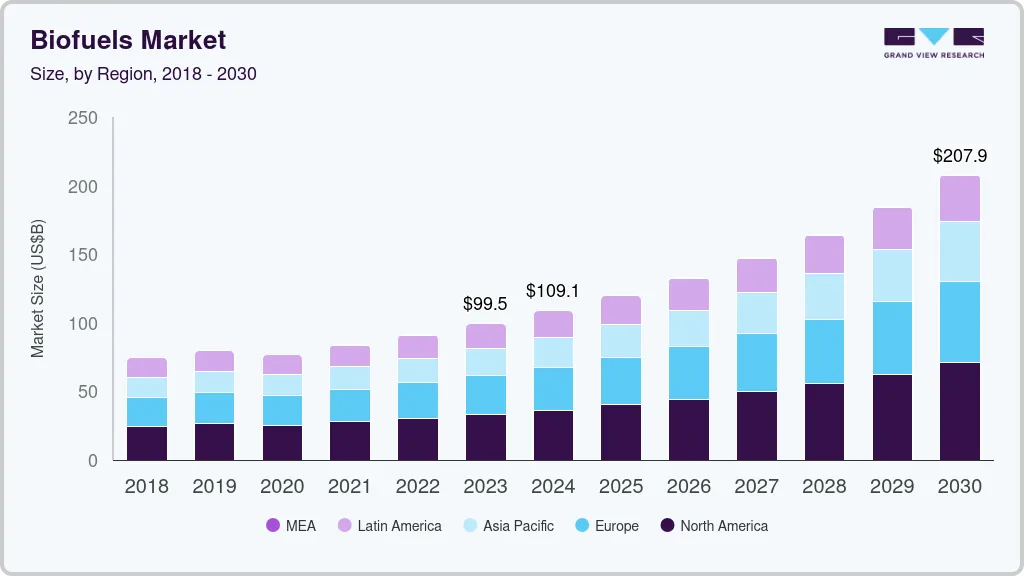
The Lagos unveils cooking oil kiosks to unlock $20m biofuel market initiative reflects a global push toward cleaner fuels and circular waste systems. Used cooking oil is increasingly recognised as a valuable feedstock for biofuel production because it can be converted into biodiesel, renewable diesel and other climate-smart energy products. In broad terms, biofuel markets are expected to grow as nations seek alternatives to fossil fuels that reduce greenhouse gas emissions and meet climate goals. Liquids from used cooking oil are particularly attractive in the aviation sector, where sustainable aviation fuel (SAF) targets are emerging under global climate agreements,Lagos unveils cooking oil kiosks to unlock $20m biofuel market.
Partnerships with organisations like Shell Foundation underscore the commercial attractiveness of this approach. Experts say turning used oil into biofuels can add value across the entire value chain — from collection and storage to processing, refining, and distribution — creating jobs and stimulating local enterprise. Lagos’s focus on household participation expands this value chain beyond large restaurants and hotels, tapping into the substantial volume generated by everyday homes. 
The Managing Director and Project Lead of Ororo Waste Management, Mr. Ayo Banjo, highlighted that the programme fosters dignity and income opportunities. By expanding the collection network from commercial kitchens to households — which account for 50 to 60 per cent of used cooking oil generation — the initiative creates spaces where low-income residents can earn income, youth can engage in micro-entrepreneurship, and waste pickers can find more structured livelihoods,Lagos unveils cooking oil kiosks to unlock $20m biofuel market.
https://ogelenews.ng/lagos-unveils-cooking-oil-kiosks-to-unlock-20m-biof…
Challenges and Opportunities Ahead
Despite the optimism, implementing such an initiative at scale will require robust public participation and education. Used cooking oil collection projects in other countries often depend on high citizen engagement and clear incentive structures that reward consistent participation. Lagos officials have emphasised that the success of Lagos unveils cooking oil kiosks to unlock $20m biofuel market hinges on residents understanding the economic and environmental benefits of diverting oil from drains to collection points. 
The Director of Air Quality Management at LASEPA, Mrs. Ayodele Oso, said the initiative will help reduce emissions associated with improper oil disposal, including the burning of waste oil which contributes to air pollution. By capturing used cooking oil and recycling it into cleaner fuels, Lagos can improve air quality and support climate action goals while promoting healthier communities. 
Local youth will play a central role in awareness campaigns, serving as “vanguards and foot soldiers” to spread information about collection points in communities, markets and residential estates. The government believes that engaging youth is crucial not only for awareness but also for fostering an entrepreneurial ecosystem around biofuel value chains. 
Looking Forward
The initiative positions Lagos as a pioneer among Nigerian states exploring waste-to-value frameworks that double as climate action and economic inclusion tools. While the full realisation of a $20 million biofuel market will depend on consistent collection, processing, and integration with downstream biofuel processors, the groundwork laid by the kiosks initiative provides a functional starting point,Lagos unveils cooking oil kiosks to unlock $20m biofuel market.
If households embrace the kiosks and participation reaches the scale envisaged by officials, Lagos could significantly expand its role in both domestic biofuel feedstock supply and international renewable energy markets. As part of broader climate and sustainability strategies, turning everyday household waste into economic value reflects a shift in how cities in Africa manage environmental challenges — not just as liabilities but as sources of opportunity. 
https://punchng.com/lagos-unveils-cooking-oil-kiosks-to-unlock-20m-biofuel-market
Lagos unveils cooking oil kiosks to unlock $20m biofuel market.