


















Lassa fever Kwara to sanction food handlers for poor hygiene
The Kwara State Government has announced plans to sanction food handlers with poor hygiene practices in a bid to stem the spread of Lassa fever, a viral haemorrhagic disease that has claimed lives and strained health systems across parts of northern and central Nigeria this year. The directive comes as part of an intensified public health response aimed at tightening food safety standards, reinforcing environmental cleanliness, and reducing the risk of infection in markets, restaurants and food outlets across the state. (punchng.com)
Health officials said that the move reflects a growing concern that poor sanitation, unsafe food handling practices and inadequate hygiene at food service points could contribute to the spread of Lassa fever, a disease transmitted primarily through exposure to urine or faeces of infected rodents, or through contact with bodily fluids of infected persons. The state’s approach now emphasises regulation, public education and swift enforcement to protect public health and reassure citizens ahead of the peak of the outbreak season. (guardian.ng)
Sanctions and Why They Matter
Under the new policy unveiled by the Kwara State Ministry of Health, errant food handlers could face fines, temporary closure of premises or revocation of food vendor licences if found violating approved hygiene standards. The move comes after recent assessments by health surveillance teams, which noted lapses in cleanliness and food safety practices among some market traders and food vendors — conditions that can increase the risk of Lassa fever and other communicable diseases. (punchng.com)
“Lassa fever is a serious public health concern,” said the state’s Commissioner for Health, Dr. Raji Abdulganiyu. “We have a responsibility to protect our citizens from preventable infections. Ensuring food handlers comply with hygiene protocols is a critical part of that effort.” Dr. Abdulganiyu emphasised that the sanctions policy is not intended to punish honest traders, but to create a culture of accountability and hygiene compliance. (punchng.com)
Context: Lassa Fever in Nigeria
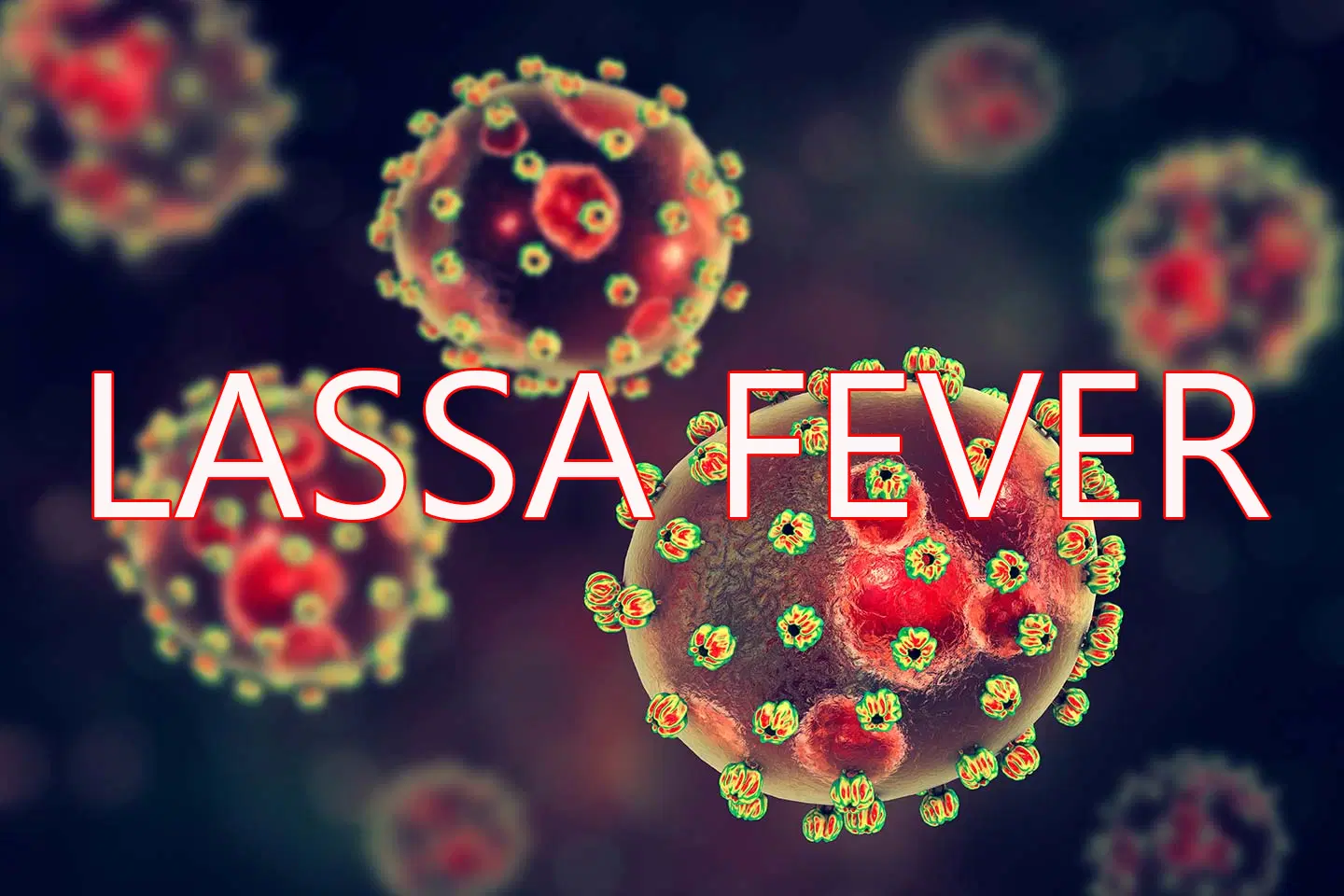
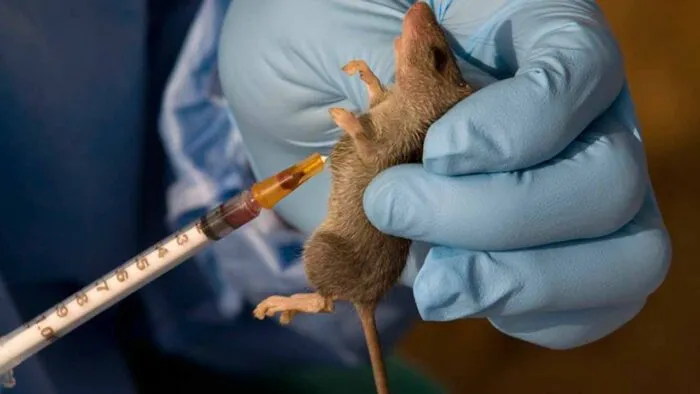
Lassa fever is endemic in parts of Nigeria, including Kwara State, and typically sees a seasonal uptick during the dry months between December and May. The disease is caused by the Lassa virus, which is carried by a common rodent known locally as the “multimammate rat” (Mastomys natalensis). Human infection often occurs through contact with contaminated food or household items, or exposure to infected animals and their waste. Secondary transmission between humans can occur, particularly in health care settings where strict infection control measures are lacking. (cdc.gov)
In recent years, Nigeria’s Centre for Disease Control (NCDC) and state health agencies have reported spikes in confirmed cases and deaths in several states, prompting intensified surveillance and mitigation measures, including public education campaigns, healthcare worker training and improved case management protocols. (ncdc.gov.ng)
https://ogelenews.ng/lassa-fever-kwara-to-sanction-food-handlers
Why Food Handlers Are in Focus
Food handlers occupy a pivotal place in Lassa fever prevention because they interact with a large segment of the population daily and can either help prevent or unwittingly contribute to disease spread. Poor food hygiene practices — such as inadequate handwashing, improper waste disposal, and unhygienic food storage — can attract rodents and create conditions favourable for transmission.
State health officials and environmental officers have been conducting compliance inspections at food courts, street food locations, cafeterias and large markets across Ilorin, the state capital, and larger local government areas. According to the Ministry of Health, multiple warnings were issued before the sanctions directive to allow food handlers time to upgrade sanitation practices, clean facilities and adopt recommended hygiene behaviours. (guardian.ng)
Public Health Education and Collaboration
To complement sanctions, the Kwara State Government has launched a public health education campaign targeting traders, food vendors, market leaders and community members. Information campaigns highlight critical hygiene steps, including:
• Frequent handwashing with soap and clean water
• Safe food storage to prevent rodent access
• Proper disposal of refuse and food waste
• Routine cleaning and disinfection of food surfaces
Dr. Abdulganiyu said that sanitisation points will be established at key markets, and health educators will work with food vendors to demonstrate practical steps food handlers can take to protect themselves and their customers. “Prevention is more effective than cure,” he said, noting that recent cases of Lassa fever in neighbouring states highlight the need for proactive health measures. (guardian.ng)
Market Leaders and Community Reactions
Market leaders and traders’ associations have expressed mixed reactions to the policy. Some welcomed the state’s effort to protect public health, noting that outbreaks of Lassa fever and other infectious diseases can disrupt commerce and harm community wellbeing. “We support anything that keeps our families safe and prevents Lassa fever from taking lives,” said a representative of one major food market in Ilorin.
Others, however, cautioned that sanctions could impose an additional burden on small-scale food vendors already operating on tight margins. They urged the government to prioritise capacity building and access to clean water and sanitation facilities alongside enforcement. “We want to comply, but we need resources and support to do so,” one food vendor told Ogele News.
Sanitation, Environment and Rodent Control
Experts say that tackling Lassa fever requires more than enforcement alone; it demands an integrated approach that includes environmental sanitation, rodent control measures and community awareness about how the virus spreads. In many local communities, poor waste management and proximity to rodent habitats increase the likelihood of human contact with infected animals and contaminated food.
The Kwara State Environmental Protection Agency (KWEPA) has pledged to intensify rodent control measures and collaborate with local governments to improve waste collection systems in markets and residential areas. These efforts are aimed at reducing environments where rodents can thrive, thus diminishing one of the key transmission pathways of Lassa fever.
Healthcare System Preparedness
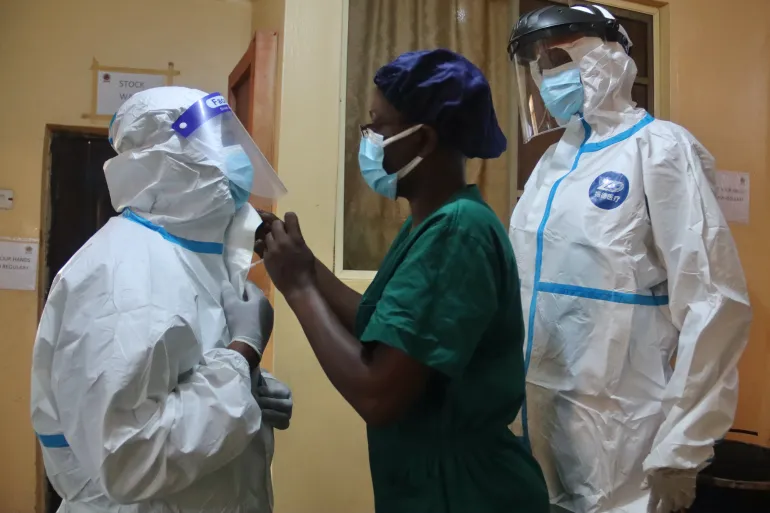
Alongside the food hygiene drive, the State Ministry of Health has stepped up Lassa fever case surveillance and laboratory capacity, ensuring that suspected cases are quickly isolated and tested. The state’s Infectious Disease Hospital in Ilorin has been designated a referral centre for suspected Lassa fever patients, and healthcare workers are receiving refresher training in infection prevention and control.
This multi-layered strategy seeks to minimise the impact of outbreaks, reduce morbidity and mortality, and ensure that health facilities are ready to manage confirmed cases without endangering staff or other patients.
Looking Ahead
Kwara’s decision to sanction food handlers for poor hygiene practices reflects a broader push by Nigerian states to reinforce public health measures against Lassa fever and other communicable diseases. With the threat of seasonal outbreaks high, and with neighbouring states also reporting Lassa fever cases, the state’s approach emphasises both deterrence and education — using sanctions to compel compliance while offering support and guidance for improvement.
The coming weeks will reveal how effectively these measures protect public health, how food vendors adapt to the new expectations, and whether greater sanitation and hygiene compliance will reduce the spread of Lassa fever in communities across Kwara State and beyond.
https://punchng.com/lassa-fever-kwara-to-sanction-food-handlers-for-poor-hygiene
Lassa fever Kwara to sanction food handlers for poor hygiene