

















Many Nigerians feared dead
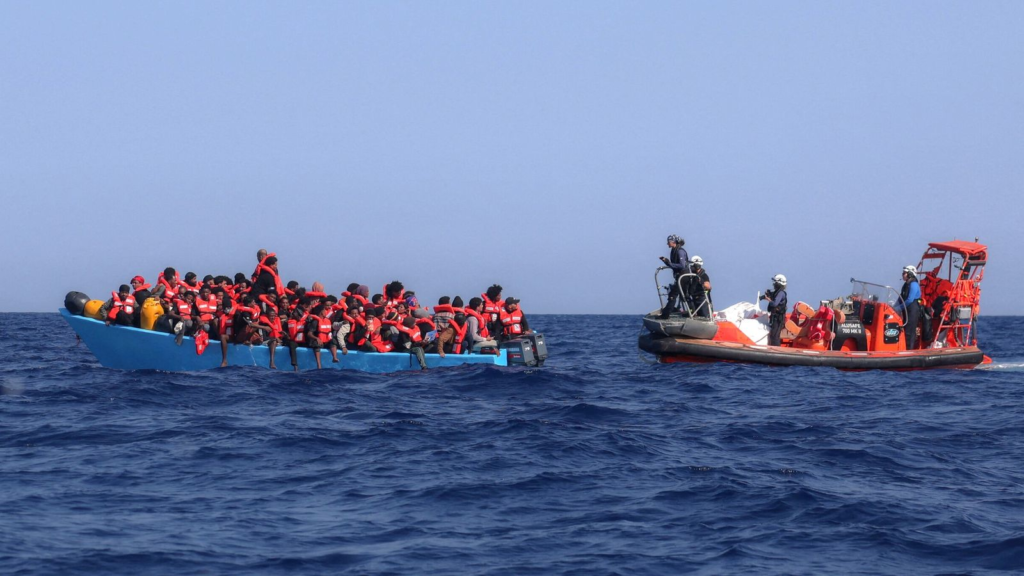
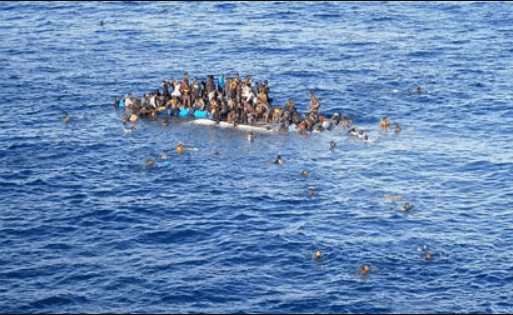
Many Nigerians are feared dead or missing after a rubber boat carrying migrants capsized off the coast of Libya, according to the International Organization for Migration (IOM).
The organisation disclosed on Monday that the incident involved a vessel carrying 55 migrants and refugees of different African nationalities. The boat reportedly overturned in the Central Mediterranean Sea, north of the Libyan coastal town of Zuwara, leaving at least 53 people dead or missing.
Only two survivors were rescued, both Nigerian women, following a search-and-rescue operation conducted by Libyan authorities. The IOM said its teams provided emergency medical assistance to the survivors upon their disembarkation.
The development has renewed concern as many Nigerians are feared dead as the boat capsizes off the Libya coast, once again highlighting the dangers faced by migrants attempting to cross the Mediterranean in search of safety or economic opportunity in Europe.
According to the IOM, survivor accounts revealed that the boat departed Al-Zawiya, another coastal town in western Libya, at about 11:00 p.m. on February 5. Approximately six hours into the journey, the vessel began to take in water before capsizing in the open sea.
One of the survivors told rescue officials that she lost her husband in the incident, while the other reported losing her two babies when the boat overturned. The agency described the accounts as heartbreaking and reflective of the human cost of irregular migration.
“IOM mourns the loss of life in yet another deadly incident along the Central Mediterranean route,” the organisation said, noting that such tragedies continue to occur despite repeated warnings about the dangers of sea crossings from North Africa.
The Central Mediterranean route remains one of the deadliest migration corridors in the world. The IOM’s Missing Migrants Project has consistently recorded hundreds of deaths and disappearances along this path each year, many of which go unreported due to the absence of survivors or witnesses.
The latest incident, in which many Nigerians are feared dead as the boat capsizes off the Libya coast, adds to a growing list of maritime disasters involving migrants departing from Libya. The country has become a major transit point for people fleeing poverty, conflict and insecurity across parts of sub-Saharan Africa.
https://ogelenews.ng/many-nigerians-feared-dead
Libya’s prolonged instability has allowed human smuggling networks to operate with little restraint. Migrants are often packed into overcrowded, unseaworthy rubber boats and sent into dangerous waters with minimal safety equipment.
The IOM said smugglers continue to exploit vulnerable people by promising safe passage to Europe while exposing them to extreme risks at sea. Many migrants, including Nigerians, reportedly undertake the journey after enduring months or years of hardship in Libya.
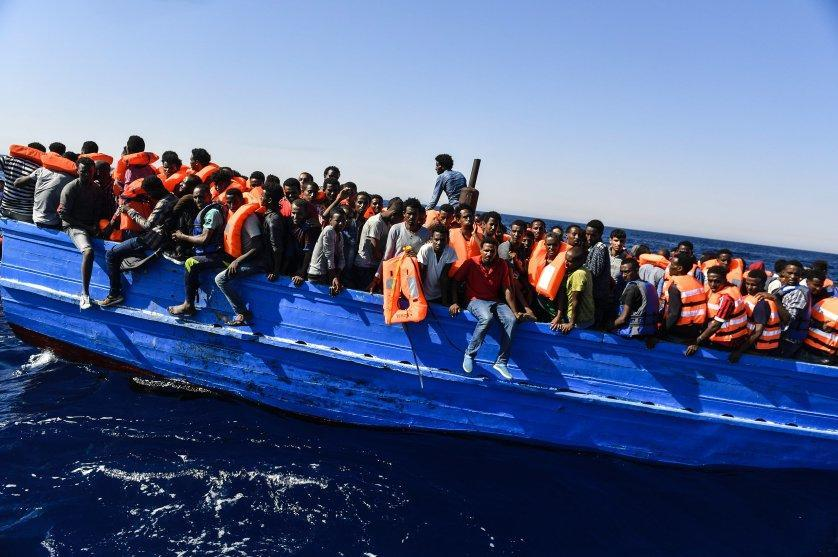
Humanitarian groups have repeatedly warned that the lack of safe and legal migration pathways contributes to the rising number of deaths in the Mediterranean. They argue that without meaningful alternatives, desperate migrants will continue to rely on smugglers, regardless of the risks involved.
As many Nigerians are feared dead as the boat capsizes off the Libya coast, concerns are mounting among families back home who may still be unaware of the fate of their loved ones. In many cases, migrants leave Nigeria without formal documentation or regular communication, making it difficult to track or confirm their status after such incidents.
Although Nigerian authorities had not issued an official statement as of Monday, previous incidents have prompted calls for stronger public awareness campaigns to discourage irregular migration and to highlight the dangers associated with the journey through Libya and across the Mediterranean.
Civil society organisations have also urged the government to expand support for returnees and invest in job creation and social protection programmes to address the economic pressures that drive migration.
The IOM reiterated its call for increased international cooperation to prevent further loss of life, including stronger search-and-rescue mechanisms and efforts to dismantle smuggling networks operating along the Libyan coast.
The organisation also stressed that Libya is not considered a safe port for migrants, citing reports of abuse, detention and exploitation. It urged governments to prioritise the protection of migrants and refugees and to uphold international humanitarian standards.
For now, the fate of many aboard the ill-fated boat remains unknown. But the latest tragedy underscores why many Nigerians are feared dead as the boat capsizes off the Libya coast, and why urgent action is needed to address the conditions that continue to push people onto dangerous migration routes.