













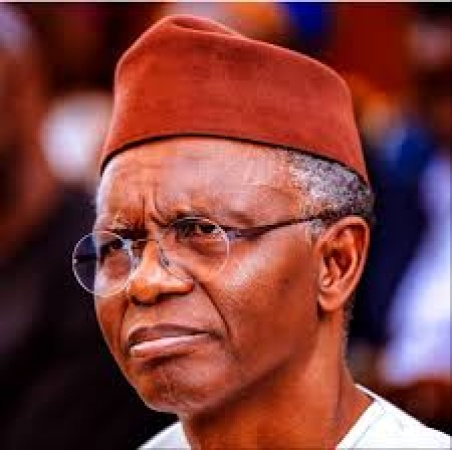
N432bn probe: EFCC detains El-Rufai, DSS on standby
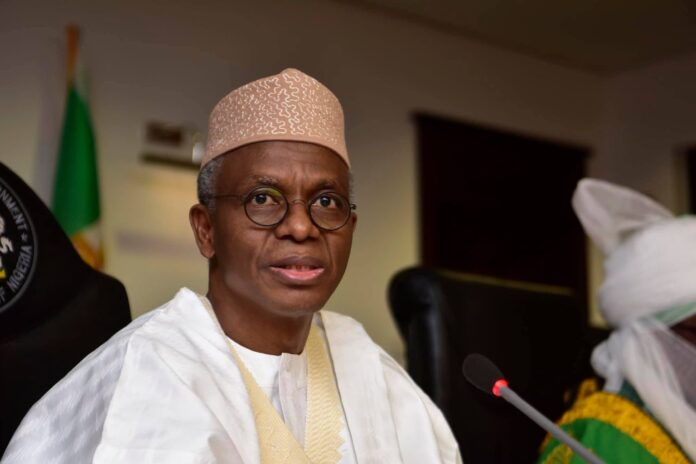
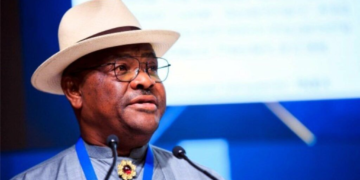
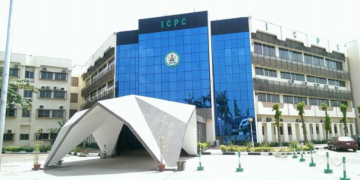
N432bn probe: EFCC detains El-Rufai, DSS on standby in a development that has sent shockwaves across Nigeria’s political and legal landscape, marking one of the most consequential anti-corruption actions involving a former state governor in recent years. Former Kaduna State Governor, Nasir El-Rufai, was detained at the Abuja headquarters of the Economic and Financial Crimes Commission (EFCC) following hours of interrogation over alleged financial misconduct linked to his eight-year administration. 
The N432bn probe: EFCC detains El-Rufai, DSS on standby case stems from a petition submitted by the Kaduna State House of Assembly, which investigated loans, contracts, and financial transactions carried out between 2015 and 2023. According to findings cited by investigators, billions of naira in loans and public funds were allegedly misapplied, raising concerns about public debt, contract execution, and financial accountability during El-Rufai’s tenure. 
The EFCC confirmed that El-Rufai voluntarily honoured its invitation but remained in custody as investigators continued their questioning. 
Origins of the N432bn corruption allegations
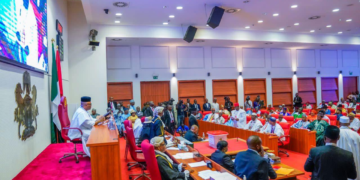
The N432bn probe: EFCC detains El-Rufai, DSS on standby investigation is rooted in a legislative probe conducted by the Kaduna State House of Assembly. The Assembly’s ad-hoc committee examined financial records, loan agreements, and government expenditures spanning El-Rufai’s administration.
Lawmakers alleged that a substantial portion of borrowed funds was not utilized for their approved purposes. The legislative committee also raised concerns about contract awards, debt accumulation, and financial transparency.
These findings formed the basis of formal petitions submitted to anti-corruption agencies, including the EFCC and the Independent Corrupt Practices Commission (ICPC), recommending criminal investigation and prosecution. 
The N432bn probe: EFCC detains El-Rufai, DSS on standby case represents the culmination of nearly a year-long investigation by anti-graft authorities.
EFCC investigation and detention
Sources within the EFCC confirmed that the investigation had been ongoing for an extended period before the former governor was invited for questioning.
Officials emphasized that invitations are typically extended only after investigators have gathered substantial evidence.
The EFCC stated that El-Rufai remains in custody as interrogation continues.
The N432bn probe: EFCC detains El-Rufai, DSS on standby reflects the EFCC’s mandate to investigate financial crimes, corruption, and abuse of public office.
Established in 2003, the EFCC is Nigeria’s primary anti-corruption agency, responsible for enforcing financial crime laws and prosecuting offenders.
The agency has investigated numerous high-profile political figures over the years.
DSS involvement and security implications
The N432bn probe: EFCC detains El-Rufai, DSS on standby also involves the Department of State Services (DSS), Nigeria’s internal intelligence agency.
Reports indicate the DSS is monitoring developments closely and remains prepared to intervene if necessary.
The DSS is responsible for protecting national security and investigating crimes that may threaten public order or state stability.
The involvement of multiple security agencies underscores the seriousness of the investigation.
https://ogelenews.ng/n432bn-probe-efcc-detains-el-rufai
Additional allegations beyond financial misconduct
The N432bn probe: EFCC detains El-Rufai, DSS on standby case extends beyond financial allegations.
Investigators are also examining claims related to alleged unlawful interception of communications involving senior government officials.
Authorities have filed criminal charges related to alleged violations of Nigeria’s Cybercrimes Act and communications laws. 
These additional allegations have broadened the scope of the investigation.
El-Rufai’s response and denial
El-Rufai has consistently denied wrongdoing.
He has described the investigation as politically motivated and maintained that all financial transactions during his administration were lawful and properly approved.
He argued that loans obtained during his tenure were used to fund infrastructure, education, healthcare, and security projects.
The N432bn probe: EFCC detains El-Rufai, DSS on standby remains a contested case, with both investigators and the former governor presenting opposing narratives.
Political and public reaction
The detention triggered protests in Abuja and Kaduna.
Some protesters demanded accountability and prosecution if wrongdoing is proven.
Others expressed support for El-Rufai, arguing that the investigation may be politically motivated.
This public reaction highlights the polarizing nature of corruption investigations involving prominent political figures.
The N432bn probe: EFCC detains El-Rufai, DSS on standby has become a major national political issue.
Legal implications and next steps
Legal experts say the EFCC may pursue one of several options:
• Filing formal charges in court
• Continuing investigations
• Granting bail pending further inquiry
• Initiating prosecution
The outcome will depend on the strength of the evidence gathered.
Nigeria’s legal system requires prosecutors to establish criminal liability beyond reasonable doubt.
The N432bn probe: EFCC detains El-Rufai, DSS on standby case may take months or years to fully resolve.
Anti-corruption significance
The investigation represents a critical test of Nigeria’s anti-corruption institutions.
Nigeria has long struggled with corruption in public office.
The EFCC plays a central role in combating financial crime and promoting accountability.
The N432bn probe: EFCC detains El-Rufai, DSS on standby demonstrates continued enforcement of anti-corruption laws.
Such investigations can strengthen public confidence in governance if conducted transparently and fairly.
Broader governance implications
The detention of a former governor highlights growing enforcement of accountability.
It sends a message that public officials may face investigation after leaving office.
This strengthens democratic accountability and rule of law.
The N432bn probe: EFCC detains El-Rufai, DSS on standby underscores Nigeria’s ongoing efforts to address corruption.
Conclusion
The N432bn probe: EFCC detains El-Rufai, DSS on standby marks a major development in Nigeria’s anti-corruption landscape.
The EFCC’s investigation, supported by legislative findings and intelligence monitoring, represents one of the most significant corruption probes involving a former governor.
While El-Rufai denies wrongdoing, the investigation will test Nigeria’s legal and institutional capacity to ensure accountability.
The final outcome will have lasting implications for governance, public trust, and the fight against corruption in Nigeria.