
















Economic Impact of the Sachet Alcohol Ban
The National Agency for Food and Drug Administration and Control (NAFDAC) has commenced nationwide enforcement of the ban on sachet alcohol, marking a decisive escalation in Nigeria’s long-running effort to regulate the production, distribution, and consumption of low-cost alcoholic beverages.
The enforcement, which took effect across major cities and rural markets this week, follows repeated warnings, deadlines, and stakeholder engagements that began several years ago. With inspectors now actively sealing factories, confiscating products, and monitoring retail outlets, the sachet alcohol ban has moved from policy to practice — and its impact is already rippling through communities, industries, and public discourse.
What the Sachet Alcohol Ban Means
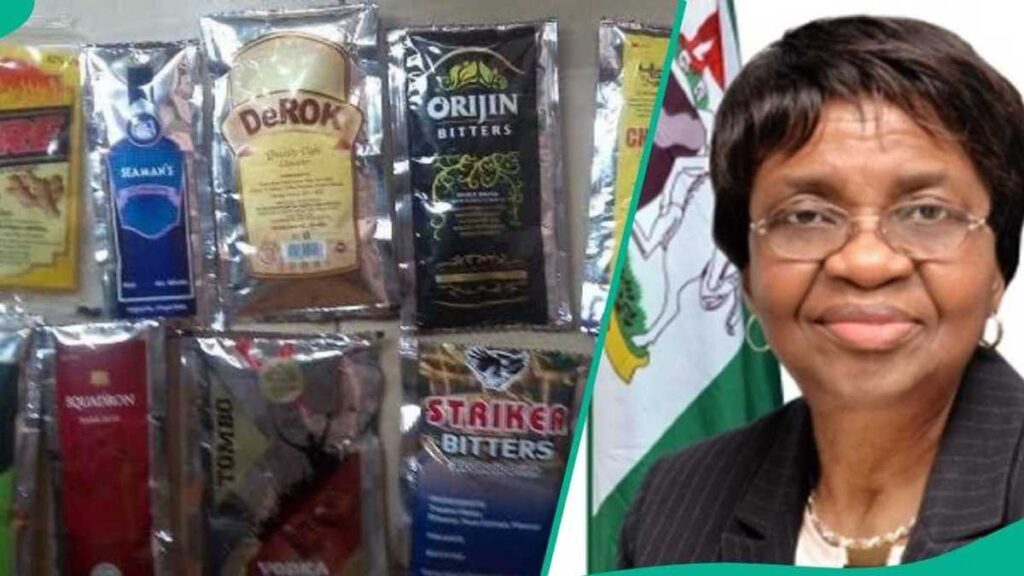
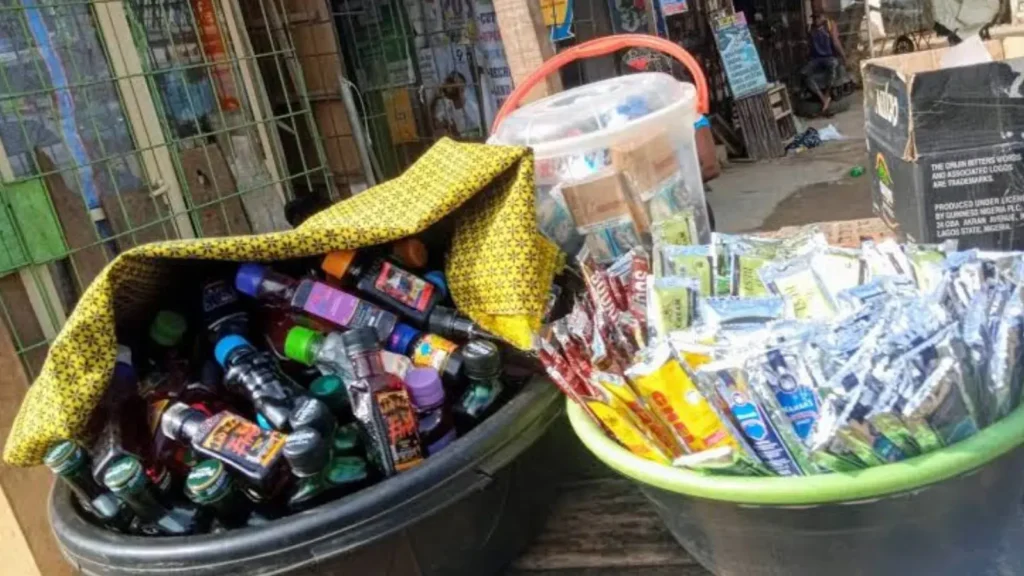
The sachet alcohol ban prohibits the production, sale, and distribution of alcoholic drinks packaged in sachets and small plastic containers below a specified volume. These products, often sold for as little as ₦50 or ₦100, have become widely consumed among youths, low-income earners, and informal workers due to their affordability and easy access.
NAFDAC argues that sachet alcohol contributes significantly to alcohol abuse, underage drinking, public health challenges, and environmental pollution. According to the agency, the packaging format encourages impulsive consumption and makes enforcement of age restrictions nearly impossible.
With nationwide enforcement now underway, NAFDAC officials say the era of warnings is over.
“This is not a sudden action,” a senior NAFDAC official said. “Manufacturers and distributors have been given ample notice. Enforcement of the sachet alcohol ban is about protecting public health and safeguarding the future.”
How Enforcement Is Being Carried Out
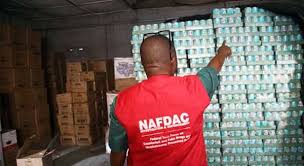
Across Lagos, Abuja, Onitsha, Aba, Ibadan, Port Harcourt, and other commercial hubs, NAFDAC teams have begun coordinated operations involving:
• Factory inspections and closures
• Seizure of sachet alcohol products
• Monitoring of open markets and roadside vendors
• Collaboration with security agencies and state task forces
Officials confirmed that no grace period remains, and offenders risk fines, license revocation, and prosecution under existing regulatory laws.
The agency stressed that enforcement of the sachet alcohol ban applies nationwide, not selectively, and covers both registered and unregistered producers.
https://ogelenews.ng/nafdac-enforces-sachet-alcohol-ban-nigeria
Public Health Rationale Behind the Ban
NAFDAC and public health experts insist that the sachet alcohol ban is rooted in data, not morality.
Health professionals have long raised concerns about:
• Rising alcohol dependence among youths
• Liver and kidney-related illnesses linked to cheap alcohol
• Increased road accidents and workplace injuries
• Mental health complications associated with excessive consumption
The easy availability of sachet alcohol, critics argue, normalised frequent drinking and lowered the psychological barrier to alcohol use.
By enforcing the sachet alcohol ban, regulators hope to curb early exposure, reduce consumption frequency, and encourage safer packaging standards.
Economic Impact and Industry Backlash
Despite its public health intent, the sachet alcohol ban has triggered strong reactions from manufacturers, distributors, and workers across the value chain.
Industry groups warn that:
• Thousands of factory and logistics jobs are at risk
• Small-scale distributors may lose their livelihoods
• Consumers may turn to unregulated, illicit alcohol
Some manufacturers have accused regulators of failing to provide adequate transition support, especially for companies that invested heavily in sachet production lines.
“There should be a phased economic buffer,” one distributor in Aba said. “Enforcement of the sachet alcohol ban without alternatives will hurt families.”
NAFDAC, however, maintains that companies were encouraged years ago to shift toward safer packaging formats such as bottles and cans.
Environmental and Social Dimensions
Beyond health, the sachet alcohol ban also addresses environmental degradation. Empty plastic sachets are a major contributor to blocked drainage systems, urban flooding, and waste accumulation.
Urban planners and environmental advocates have welcomed the enforcement, arguing that reducing sachet waste could significantly improve sanitation in congested cities.
Socially, the ban has reignited debates about class, access, and responsibility. Critics argue that the sachet alcohol ban disproportionately affects low-income consumers, while supporters counter that affordability should not override public safety.
What Happens Next
NAFDAC says enforcement will be continuous, not symbolic. Officials plan to:
• Track supply chains to stop backdoor distribution
• Work with customs to prevent illegal imports
• Intensify public education campaigns
• Review compliance levels quarterly
The agency also hinted at broader reforms targeting other high-risk consumables packaged for impulse use.
As enforcement of the sachet alcohol ban deepens, Nigerians are left to navigate a complex intersection of health, economics, regulation, and personal choice.
A Turning Point in Alcohol Regulation
Whether the sachet alcohol ban succeeds will depend not only on enforcement strength, but on how well government balances regulation with economic transition and social realities.
What is clear, however, is that Nigeria has crossed a threshold. The sachet alcohol ban is no longer a policy on paper. It is now a lived reality — one that will reshape consumption habits, industries, and public health outcomes in the months ahead.