
















Naira could hit N1,100 to $1 in 2026, says Dangote
Naira could hit N1,100 to $1 in 2026, says Dangote, offering one of the most optimistic forecasts yet for Nigeria’s struggling currency, as Africa’s richest man links the expected appreciation to structural changes driven by domestic refining and reduced dependence on imports.
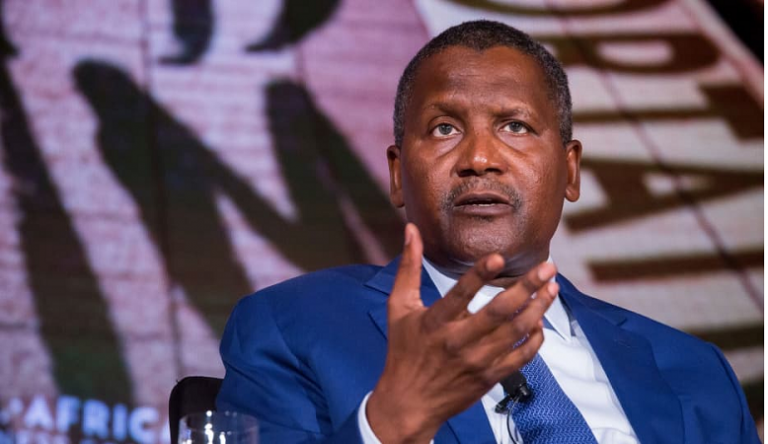
Aliko Dangote, chairman of Dangote Group, made the projection during discussions around Nigeria’s industrial policy and economic outlook, expressing confidence that the naira would strengthen significantly if ongoing reforms and local production efforts continue. He said Nigeria’s shift toward domestic manufacturing and refining could transform the country’s foreign exchange dynamics. 
Naira could hit N1,100 to $1 in 2026, says Dangote, and the projection is grounded in a fundamental economic principle: countries that reduce import dependence conserve foreign exchange, stabilise their currency, and strengthen domestic economic resilience.
Dangote links currency stability to reduced import dependence
Dangote’s forecast is closely tied to the operations of the Dangote Petroleum Refinery, a $19 billion project widely regarded as one of the most important industrial investments in Nigeria’s modern history. The refinery, with a capacity of 650,000 barrels per day, is designed to meet domestic fuel demand and significantly reduce Nigeria’s reliance on imported petroleum products. 
Naira could hit N1,100 to $1 in 2026, says Dangote, and this confidence stems from the refinery’s potential to conserve billions of dollars annually previously spent on importing refined fuel.
For decades, Nigeria has paradoxically remained dependent on imported fuel despite being Africa’s largest crude oil producer. This dependence has exerted sustained pressure on the country’s foreign exchange reserves, weakening the naira and exposing it to global volatility.
By refining fuel locally, Nigeria reduces its need for foreign currency, thereby easing demand for dollars and strengthening the naira.
Refinery operations expected to reshape forex market
Economic analysts widely agree that the Dangote refinery represents a turning point in Nigeria’s foreign exchange landscape.
Nigeria historically spent billions annually importing fuel, making petroleum imports one of the largest drivers of foreign exchange demand. By eliminating much of this demand, the refinery could significantly ease pressure on the naira.
Naira could hit N1,100 to $1 in 2026, says Dangote, and this aligns with similar projections from other industry leaders. Billionaire investor Femi Otedola also predicted that the naira could strengthen to below N1,000 per dollar as the refinery reaches full capacity and reduces import dependence. 
This convergence of forecasts from major economic stakeholders underscores growing confidence in Nigeria’s improving forex outlook.
https://ogelenews.ng/naira-could-hit-n1100-to-1-in-2026-says-dangote

Domestic production expected to boost currency strength
Dangote emphasised that Nigeria’s economic transformation must focus on increasing local production across multiple sectors, including petroleum refining, manufacturing, and agriculture.
Naira could hit N1,100 to $1 in 2026, says Dangote, highlighting the direct relationship between domestic production and currency stability.
When countries produce essential goods locally, they reduce reliance on imports and preserve foreign exchange. This strengthens national currencies and improves macroeconomic stability.
Nigeria’s ongoing industrialisation efforts, including refinery expansion and manufacturing growth, are expected to enhance foreign exchange stability and reduce inflationary pressure.
Dangote refinery expansion strengthens long-term outlook
Beyond its current capacity, Dangote Group is expanding refinery operations to increase output and strengthen Nigeria’s energy independence.
The refinery’s expansion is expected to increase production capacity significantly, further reducing import dependence and strengthening Nigeria’s foreign exchange position. 
Naira could hit N1,100 to $1 in 2026, says Dangote, and expansion efforts reinforce the structural economic changes necessary to support currency appreciation.
These developments are expected to transform Nigeria from a net importer of refined fuel to a net exporter, generating foreign exchange inflows and strengthening the naira.
Currency appreciation could benefit consumers and businesses
A stronger naira would have widespread economic benefits.
Import costs would decline, reducing inflationary pressure and lowering the cost of essential goods. Businesses that rely on imported equipment and raw materials would benefit from improved exchange rates.
Naira could hit N1,100 to $1 in 2026, says Dangote, and currency appreciation could improve purchasing power for Nigerian households.
Manufacturers would also benefit from increased stability, allowing for better planning and investment.
However, economists caution that currency appreciation must be supported by sustained economic reforms, including improved productivity, fiscal discipline, and investment growth.
Structural reforms remain essential for long-term stability
While Dangote’s projection reflects optimism, currency stability depends on multiple factors beyond refinery operations.
Key determinants include foreign exchange reserves, export growth, investor confidence, and monetary policy.
Naira could hit N1,100 to $1 in 2026, says Dangote, but experts emphasise that achieving this outcome requires sustained policy consistency and economic discipline.
Nigeria must continue diversifying its economy, strengthening non-oil exports, and improving infrastructure to support long-term currency stability.
Current exchange rate context highlights potential gains
Nigeria’s currency has faced significant volatility in recent years, driven by foreign exchange shortages, high import demand, and global economic pressures.
The naira’s recent fluctuations reflect structural weaknesses in Nigeria’s economy, particularly dependence on imports and limited export diversification.
Naira could hit N1,100 to $1 in 2026, says Dangote, and achieving this level would represent a significant recovery from recent lows.
Such appreciation would signal improved economic stability and stronger investor confidence.
Dangote’s forecast reflects growing optimism in Nigeria’s economic future
As Africa’s wealthiest individual and one of Nigeria’s most influential industrialists, Dangote’s projections carry significant weight.
His refinery and industrial investments represent long-term commitments to Nigeria’s economic transformation.
Naira could hit N1,100 to $1 in 2026, says Dangote, reinforcing growing confidence that structural reforms and domestic production could strengthen Nigeria’s currency and economic outlook.
Ultimately, whether this projection materialises will depend on the consistency of economic reforms, the performance of domestic industries, and Nigeria’s ability to sustain foreign exchange stability.
But for now, Dangote’s forecast signals renewed optimism that Nigeria’s currency could regain strength and stability in the coming years.
https://punchng.com/naira-could-hit-n1100-to-1-in-2026-says-dangote