


















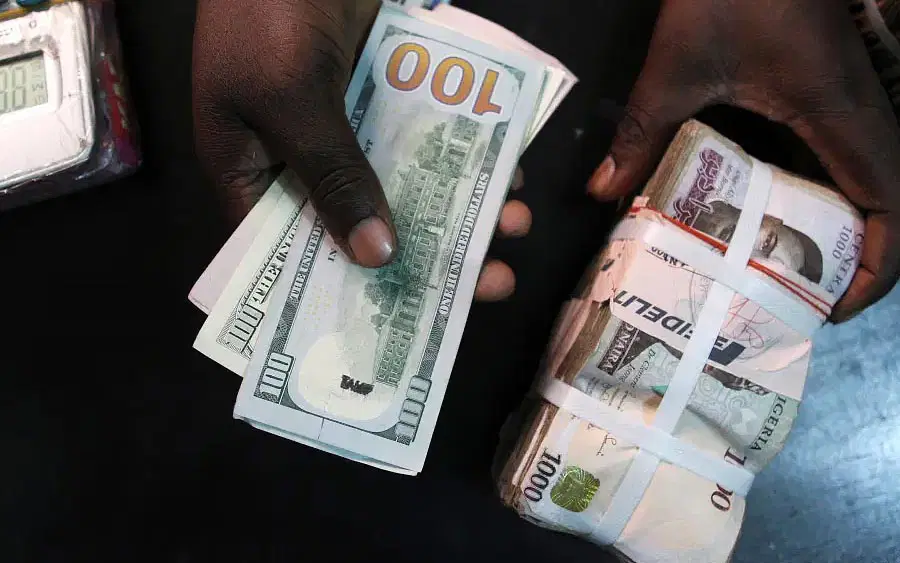
naira slides to 1,366 at official window
Nigeria’s currency, the naira, has edged weaker against the U.S. dollar at the official foreign exchange market, with the exchange rate settling at ₦1,366 per dollar in Thursday’s trading, according to daily data published on the Central Bank of Nigeria (CBN)’s official portal. That performance marks a slight depreciation from the previous day’s rate of about ₦1,358 per dollar, even as the naira remains stronger than it was earlier in the week. 
The naira slides to 1,366/$ at official window narrative reflects a nuanced movement in Nigeria’s foreign exchange market, in which controlled volatility and ongoing monetary and fiscal policies have combined to produce a relatively tight trading range amid broader economic pressures. Analysts say that, while the modest decline highlights continued sensitivity to supply and demand dynamics, it also suggests that recent interventions by the CBN and other stakeholders may be tempering extreme market swings. 
Understanding the Recent Movement in the Naira
According to the official market data for early February 2026, the naira’s value at the official window — also known as the Nigerian Foreign Exchange Market (NFEM) — depreciated by about 0.57 percent in a single day. Thursday’s close was recorded at ₦1,366.05/$1, compared with ₦1,358.28/$1 on the preceding Wednesday. 
However, to fully grasp the significance of the naira slides to 1,366/$ at official window headline, one must consider the broader context: earlier in the week, the local currency opened at approximately ₦1,390.36/$1 on Monday, indicating that the naira has, on balance, strengthened over several sessions despite the modest dip on Thursday. 
Market watchers have described the recent trading behaviour as a period of improved stability and reduced volatility at the official window. On Thursday, the naira traded within a relatively narrow band — the highest quoted rate was about ₦1,370/$1, while the lowest was around ₦1,361.80/$1 — a pattern that analysts say signals better price discovery among authorised forex dealers. 
Drivers Behind the Currency’s Slide
Several factors underpin the naira slides to 1,366/$ at official window headline. Currency movements hinge on supply and demand for foreign exchange, which in turn reflect Nigeria’s economic fundamentals, including oil export receipts, foreign direct investment flows, remittance inflows, and investor confidence. 
Nigeria’s external reserves have recently shown resilience, with data indicating growth that supports the central bank’s ability to meet foreign exchange obligations. According to recent reports, gross foreign reserves rose to around US$46.80 billion, a figure suggesting that the country’s capacity to manage external pressures remains intact. 
Despite these positive signs, the naira remains exposed to global currency dynamics — the U.S. dollar, for instance, typically strengthens when global economic conditions favour safe-haven assets or when interest rate differentials widen between the United States and emerging markets like Nigeria. 
Nigeria’s heavy reliance on imports further compounds demand for foreign exchange, particularly U.S. dollars. When more naira is needed to pay for imported goods and services, the exchange rate adjusts accordingly, exerting pressure on the local currency. 
Official, Parallel and Market Expectations
The naira slides to 1,366/$ at official window doesn’t necessarily translate to equivalent movements in informal or parallel markets, which often reflect cash-based supply conditions and can tell a different story. Recent reports indicate that parallel market rates can diverge, with fluctuations driven by liquidity, demand for physical currency, and speculative activity. 
Analysts have projected that, despite short-term fluctuations such as the slide to ₦1,366 per dollar, the naira may record broad stability or modest appreciation in the coming weeks if supportive reforms and high crude oil prices persist, bolstering foreign exchange inflows and market confidence. 
Key drivers for that forecast include sustained oil export revenues — one of Nigeria’s main sources of foreign currency — as well as remittances from Nigerians abroad and potential increases in foreign direct investment if structural reforms improve the country’s investment climate. 
https://ogelenews.ng/naira-slides-to-1366-at-official-window
Implications for Everyday Nigerians
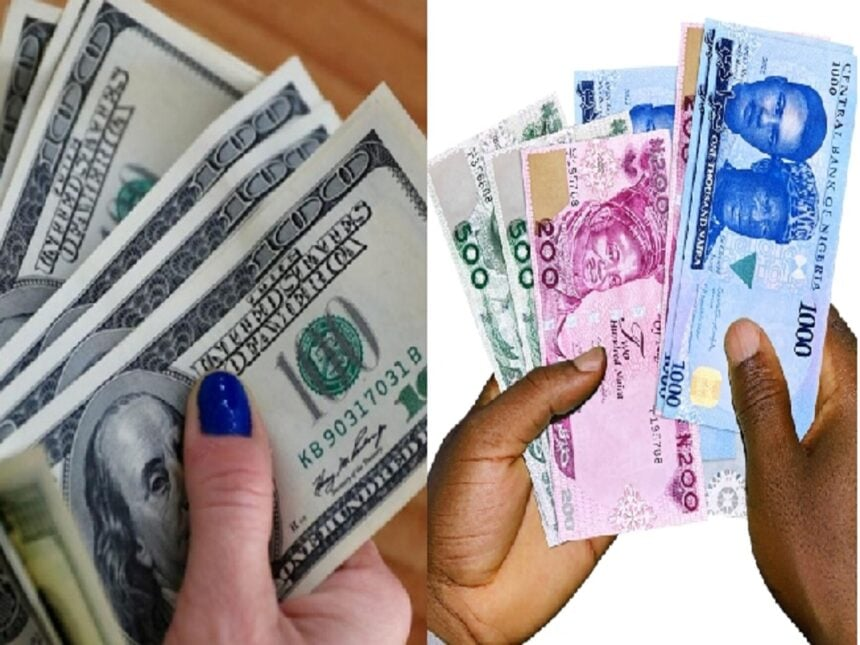
The naira slides to 1,366/$ at official window headline carries real-world implications. For ordinary Nigerians, currency depreciation can translate into higher prices for imported goods, including food items, medical supplies, and fuel. When the naira weakens, even modestly, importers must spend more local currency to purchase the same amount of foreign goods — a factor that can feed into inflationary pressures. 
A weaker naira can also affect travel costs, education expenses, and business input costs for companies that rely on imported equipment or materials. However, exporters may benefit from a relatively weaker currency if it improves the competitiveness of Nigerian goods priced in foreign currency terms. 
As the Nigeria economy continues to adjust to foreign exchange reforms and global economic trends, the naira slides to 1,366/$ at official window narrative illustrates that currency markets remain sensitive but not chaotic — suggesting that interventions by the CBN and private forex participants could be bearing fruit in terms of market depth and confidence. 
Looking Ahead
Economists caution that while a single data point such as the naira sliding to ₦1,366 per dollar is important, it should be read in context with longer-term trends and policy frameworks. Continued efforts to deepen foreign exchange liquidity, strengthen export earnings, and enhance macroeconomic stability will be critical in shaping the naira’s path in 2026. 
For now, the story that the naira slides to 1,366/$ at official window is not just about a figure on a chart — it’s a snapshot of an economy balancing internal reforms, external pressures and hopes for sustained currency stability in a challenging global environment.
https://www.vanguardngr.com/2026/02/naira-slides-to-n1366-at-official-window