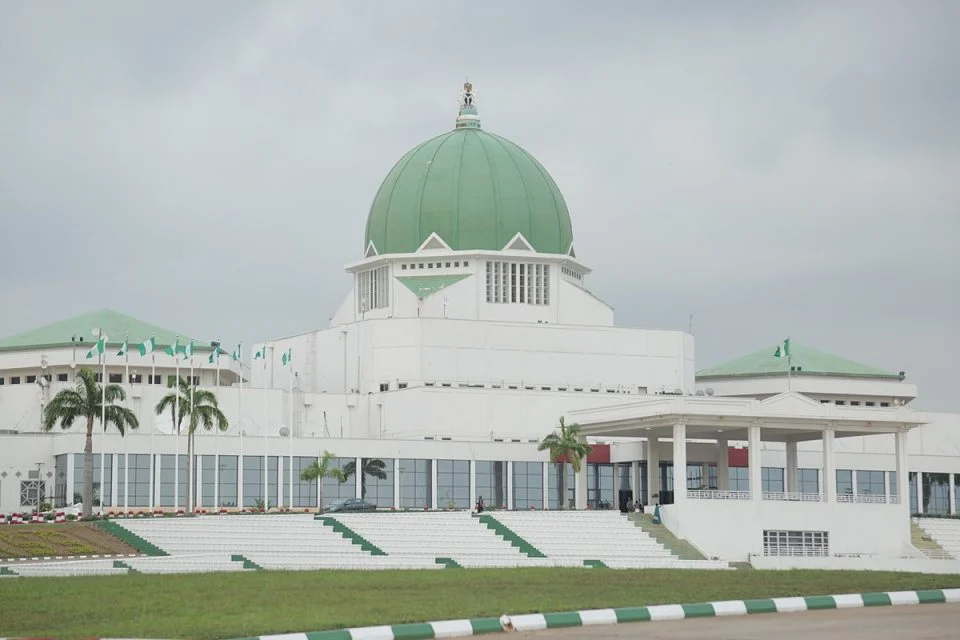


















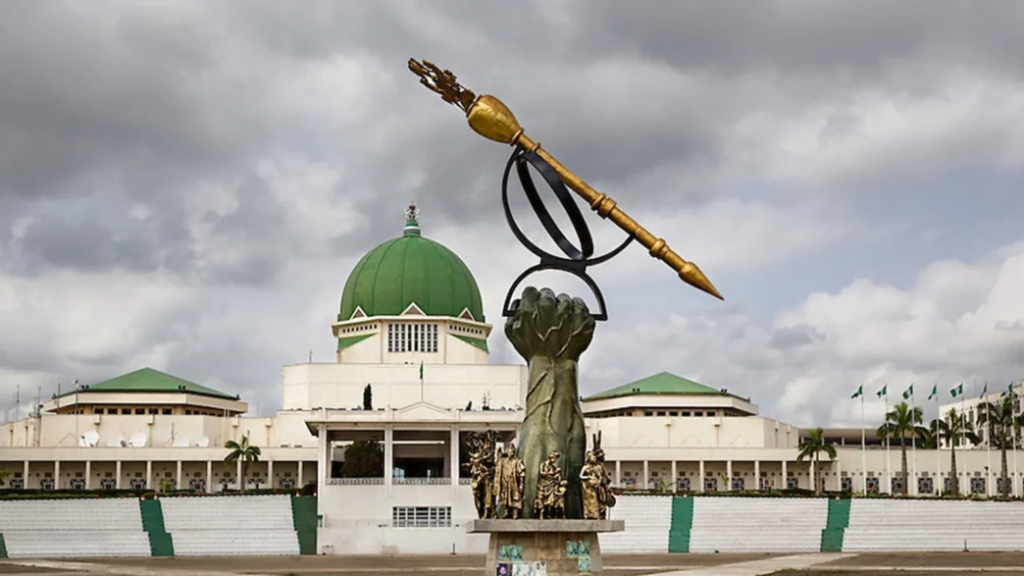
NASS harmonise Electoral Bill
Nigeria’s National Assembly is set to begin a crucial harmonisation process on Monday to reconcile differences between versions of the Electoral Act Amendment Bill passed separately by the Senate and the House of Representatives, in a move widely seen as pivotal to strengthening electoral transparency ahead of the 2027 general elections.
Lawmakers drawn from both chambers will meet under the Joint National Assembly Conference Committee to produce a unified version of the bill before transmitting it to President Bola Tinubu for assent. 
The NASS harmonise Electoral Bill exercise marks a decisive phase in Nigeria’s electoral reform process, particularly amid intense debate over provisions governing electronic transmission of election results and other key reforms.
Why the Harmonisation Is Necessary
Under Nigeria’s legislative procedure, when the Senate and House of Representatives pass different versions of the same bill, a conference committee is established to reconcile the discrepancies and produce a final version acceptable to both chambers. 
The NASS harmonise Electoral Bill process was triggered after both chambers passed the Electoral Amendment Bill with differing provisions, especially regarding the electronic transmission of election results.
The House of Representatives approved real-time electronic transmission of election results, while the Senate initially rejected mandatory real-time transmission but later restored electronic transmission provisions with manual collation allowed as backup. 
These differences made harmonisation essential before the bill can become law.
Electronic Transmission at the Heart of Debate
The most contentious issue in the NASS harmonise Electoral Bill effort is the legal framework governing electronic transmission of election results.
Civil society organisations, political parties and electoral reform advocates have strongly supported mandatory electronic transmission, arguing that it enhances transparency and reduces election manipulation. 
The controversy stems partly from the disputed handling of election results during the 2023 general elections, when delays and technical issues raised concerns about electoral transparency. 
Many stakeholders believe clarifying legal provisions on electronic transmission is essential to restoring public confidence in Nigeria’s electoral system.
Timeline and Legislative Urgency
Sources within the National Assembly confirmed that the joint conference committee has been given a one-week window to resolve disputed provisions and complete the NASS harmonise Electoral Bill process. 
Senate President Godswill Akpabio has indicated that lawmakers intend to transmit the harmonised bill to President Tinubu before the end of the month, allowing sufficient time for implementation ahead of the 2027 elections. 
Electoral experts emphasise that early passage of electoral reforms is critical to allow the Independent National Electoral Commission adequate preparation time.
Delays in passing electoral legislation can disrupt planning, increase uncertainty and undermine election credibility.
Conference Committee Composition and Role
The joint conference committee comprises members from both the Senate and House of Representatives, tasked with resolving differences in the bill.
The committee includes lawmakers with expertise in electoral matters and legislative procedure.
Their mandate is to produce a harmonised version reflecting consensus between both chambers.
The NASS harmonise Electoral Bill process represents a key constitutional function of the legislature.
Under Nigeria’s Constitution, a bill becomes law only after passage by both chambers in identical form and assent by the President.
Political and Public Interest in Electoral Reform
The NASS harmonise Electoral Bill process has attracted intense public interest due to its potential impact on Nigeria’s democratic future.
The bill seeks to amend the Electoral Act 2022 to address gaps identified during previous elections.
Proposed amendments include clearer rules on result transmission, candidate withdrawal procedures and electoral timelines.
Civil society groups have called for reforms to strengthen transparency and prevent electoral malpractice.
Many believe the NASS harmonise Electoral Bill exercise represents an opportunity to enhance electoral credibility.
https://ogelenews.ng/nass-harmonise-electoral-bill
Stakeholder Reactions and Expectations
Political stakeholders across Nigeria have expressed strong views on the proposed amendments.
Some lawmakers have urged the committee to adopt provisions strengthening electronic transmission.
Others have emphasised the need to balance technological advancement with practical realities such as infrastructure limitations.
Despite differing opinions, there is broad consensus on the need for electoral reform.
The NASS harmonise Electoral Bill process is expected to produce a final framework reflecting legislative compromise.
Implications for Nigeria’s Democracy
The outcome of the NASS harmonise Electoral Bill process will have far-reaching implications for Nigeria’s electoral system.
Electoral laws determine how elections are conducted, results transmitted and disputes resolved.
Reforms aimed at improving transparency and efficiency are seen as essential for democratic consolidation.
Experts say credible elections are fundamental to political stability and governance.
The NASS harmonise Electoral Bill process therefore represents a critical step in strengthening Nigeria’s democratic institutions.
Final Stage Before Presidential Assent
Once harmonisation is completed, the National Assembly will transmit the bill to President Tinubu for assent.
If signed into law, the amended Electoral Act will become the legal framework governing future elections.
The timing of the reform is particularly significant as Nigeria prepares for the 2027 general elections.
Observers say the success of the NASS harmonise Electoral Bill process could shape public confidence in the electoral process.
For lawmakers, the harmonisation exercise represents both a constitutional duty and a test of commitment to democratic reform.
The coming days will determine the final structure of Nigeria’s electoral law and its impact on the country’s democratic future.
https://punchng.com/nass-to-harmonise-electoral-bill-monday