















N’Assembly to finalise Electoral Act harmonisation soon — Kalu
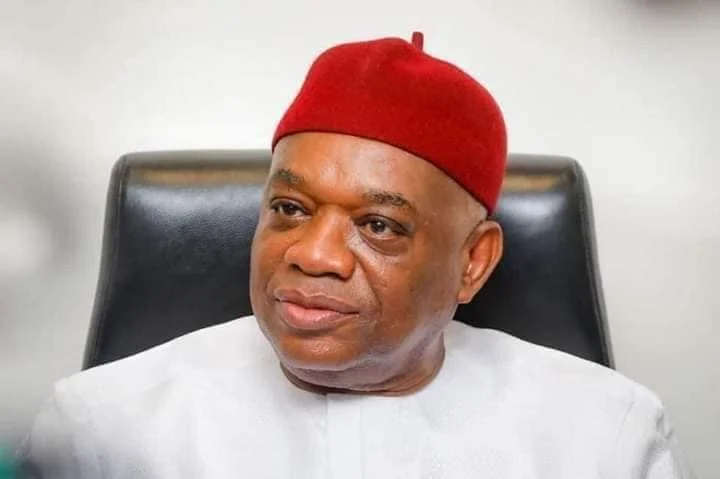
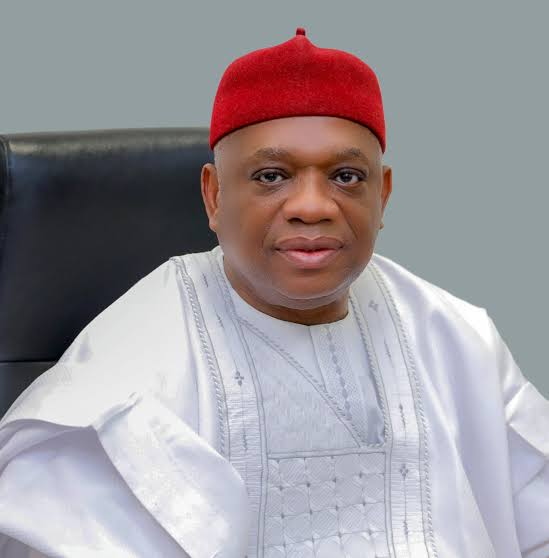
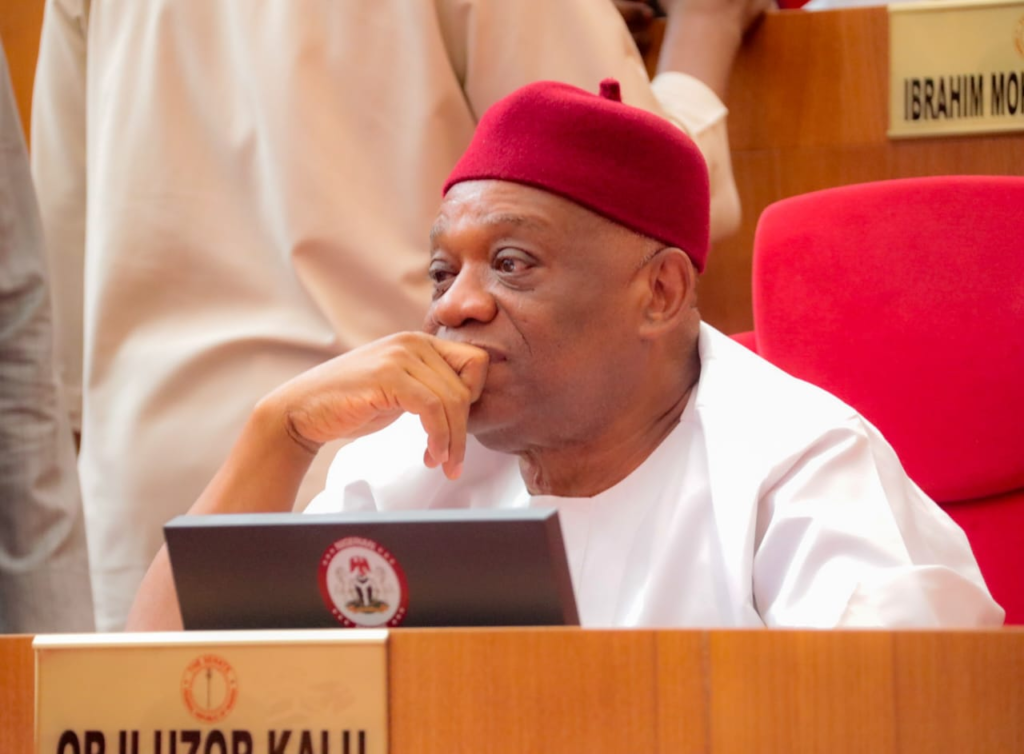
N’Assembly to finalise Electoral Act harmonisation soon — Kalu, a development that could shape the legal framework governing Nigeria’s next general elections and determine how election results are transmitted, verified, and accepted nationwide. Senator Orji Uzor Kalu, a senior member of the National Assembly Joint Harmonisation Committee, confirmed that lawmakers are working intensively to reconcile differences between the Senate and House of Representatives versions of the Electoral Act amendment bill.
Speaking during an interview on Channels Television’s Sunrise Daily, Kalu disclosed that the harmonisation process has already begun and is approaching its final stage. He explained that the committee held emergency meetings and suspended other legislative priorities to focus exclusively on completing the Electoral Act harmonisation. 
The N’Assembly to finalise Electoral Act harmonisation soon — Kalu statement reflects mounting urgency among lawmakers to conclude the legislative process ahead of the 2027 general elections.
Why harmonisation is necessary
The N’Assembly to finalise Electoral Act harmonisation soon — Kalu development arises because the Senate and House of Representatives passed different versions of the Electoral Act amendment bill.
Under Nigeria’s legislative procedure, when both chambers pass separate versions of the same bill, a joint conference committee must reconcile the differences and produce a unified version for presidential assent. 
This harmonisation process ensures legal clarity and consistency before the law takes effect.
The N’Assembly to finalise Electoral Act harmonisation soon — Kalu announcement confirms that lawmakers are working to resolve these differences urgently.
Key disagreement: real-time electronic transmission of results
The central dispute involves electronic transmission of election results.
The Senate approved electronic transmission but removed the explicit requirement for real-time upload of results, allowing manual collation if technology fails. 
In contrast, the House of Representatives approved real-time transmission of results directly from polling units to the Independent National Electoral Commission (INEC) Result Viewing portal.
This disagreement triggered nationwide debate about electoral transparency and credibility.
The N’Assembly to finalise Electoral Act harmonisation soon — Kalu effort is focused on resolving this critical issue.
Why electronic transmission matters
Electronic transmission of election results is considered essential to improving transparency and preventing manipulation.
Election observers argue that digital transmission reduces opportunities for result alteration during manual collation.
Civil society organisations and legal experts have advocated strongly for mandatory electronic transmission.
Some lawmakers, however, expressed concerns about network coverage limitations in rural areas.
The N’Assembly to finalise Electoral Act harmonisation soon — Kalu harmonisation process must balance technological innovation with practical realities.
https://ogelenews.ng/nassembly-to-finalise-electoral-act
Committee structure and timeline
The Senate appointed a 12-member joint harmonisation committee to work with the House of Representatives.
The committee is tasked with resolving differences and producing a unified Electoral Act amendment bill.
Kalu confirmed that lawmakers have paused other legislative activities, including budget hearings, to prioritise the harmonisation process. 
This demonstrates the importance attached to electoral reform.
The N’Assembly to finalise Electoral Act harmonisation soon — Kalu process is expected to conclude shortly.
Political and democratic implications
The Electoral Act is the legal foundation governing elections in Nigeria.
It defines procedures for:
• Voting
• Result transmission
• Election management
• Dispute resolution
Changes to the Electoral Act can significantly impact election credibility.
The N’Assembly to finalise Electoral Act harmonisation soon — Kalu development is therefore critical for Nigeria’s democratic future.
Lessons from the 2023 elections
Controversies during the 2023 general elections increased calls for electoral reform.
The failure to upload some election results electronically raised concerns about transparency.
Public confidence in election outcomes depends heavily on clear and reliable result transmission systems.
The N’Assembly to finalise Electoral Act harmonisation soon — Kalu effort seeks to address these concerns.
Impact on the 2027 general elections
Nigeria’s next presidential election is scheduled for 2027.
The Electoral Act amendment will determine how that election is conducted.
Electronic transmission provisions could influence:
• Election credibility
• Public trust
• Political stability
• Legal challenges
The N’Assembly to finalise Electoral Act harmonisation soon — Kalu outcome will shape the conduct of future elections.
Public and stakeholder reactions
Electoral reform has generated strong public interest.
Civil society organisations, political parties, and election observers have urged lawmakers to prioritise transparency.
Many Nigerians view electronic transmission as essential to credible elections.
The N’Assembly to finalise Electoral Act harmonisation soon — Kalu process is therefore under intense public scrutiny.
Legal process after harmonisation
Once harmonisation is completed, the unified bill will be passed by both chambers.
It will then be transmitted to the President for assent.
After presidential approval, it becomes law.
This completes the legislative process.
The N’Assembly to finalise Electoral Act harmonisation soon — Kalu development represents a key step in this process.
Broader electoral reform context
Electoral reform remains central to Nigeria’s democratic development.
Improving election transparency strengthens governance and public trust.
Clear legal frameworks reduce disputes and political instability.
The N’Assembly to finalise Electoral Act harmonisation soon — Kalu announcement signals progress toward stronger electoral governance.
Conclusion
The N’Assembly to finalise Electoral Act harmonisation soon — Kalu statement confirms that Nigeria’s lawmakers are nearing completion of one of the most important electoral reforms ahead of the 2027 general elections.
The harmonisation process will resolve key differences between the Senate and House versions of the Electoral Act amendment bill, particularly regarding electronic transmission of results.
The outcome will shape Nigeria’s electoral future, strengthen democratic credibility, and influence public confidence in election outcomes.
The coming weeks will determine whether Nigeria adopts a stronger, more transparent electoral system capable of meeting the expectations of its citizens.
https://punchng.com/nassembly-to-finalise-electoral-act-harmonisation-soon-kalu