

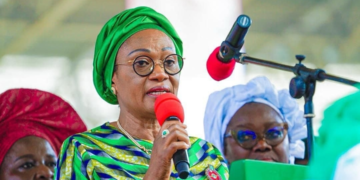


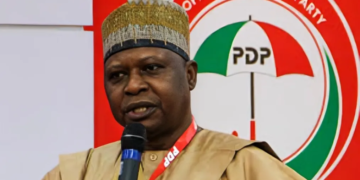















Natasha Supreme Court Akpabio appeal
The political and legal showdown between Senator Natasha Akpoti-Uduaghan and Senate President Godswill Akpabio has taken another decisive turn, with the Kogi Central lawmaker urging the Supreme Court to dismiss Akpabio’s latest application in the case arising from her suspension.
At the centre of this new twist is a counter-affidavit filed at the Supreme Court, in which Akpoti-Uduaghan’s camp argues that the appeal being pushed by Akpabio is not only lacking in merit but amounts to an abuse of court process. 
For Nigerians watching from a distance, the dispute can feel like legal grammar. But beneath the filings is a serious constitutional question: where does the Senate’s power to discipline its members end, and where does the court’s power to intervene begin?
This explainer breaks down what is before the Supreme Court, why Akpoti-Uduaghan wants the case thrown out, and what the fight could mean for legislative discipline, fair hearing standards, and the politics of accountability.
What Natasha Filed and What She Is Asking For
According to the court documents reported, Akpoti-Uduaghan filed a counter-affidavit opposing Akpabio’s Motion on Notice dated January 21, 2026. The counter-affidavit is linked to Supreme Court processes marked SC/CV/1111/2025. 
Her position is blunt: the Supreme Court should dismiss the application because it is incompetent, premature, and designed to stall the appellate process already underway.
In her filing, the respondents argue that the Court of Appeal had already concluded hearing in the substantive appeal on November 28, 2025 and reserved judgment. From their perspective, the attempt to move the matter to the Supreme Court at this stage is an interference tactic. 
This is the core of the Natasha Supreme Court Akpabio appeal dispute: whether Akpabio’s move is a legitimate legal escalation or an attempt to stop a pending judgment.
The “Page Limit” Claim and Why It Matters
One of the sharper points raised by Akpoti-Uduaghan’s side is procedural.
They allege that while other parties complied with the Court of Appeal’s 35-page limit under the Court of Appeal Rules, 2021, Akpabio’s brief exceeded the limit and was not regularised within the time allowed. They say this prompted the Court of Appeal to decline admission of the brief. 
It sounds minor, but appellate litigation is often won or lost on rules.
Courts enforce page limits to keep arguments focused and ensure fairness. If a brief is rejected, it can weaken a party’s position, not necessarily because their argument is wrong, but because procedure is part of the law.
This is also why the Natasha Supreme Court Akpabio appeal is not just political drama. It is litigation where technical compliance can shape outcomes.
https://ogelenews.ng/natasha-supreme-court-akpabio-appeal-suspension-row

Mixed Law and Fact: The Leave-to-Appeal Problem
Another argument raised is that Akpabio’s grounds of appeal allegedly raise issues of mixed law and fact without prior leave of court, which would render the appeal incompetent.
In Nigeria’s appellate system, some grounds require leave before they can be properly entertained, especially where the issues are not purely of law. Akpoti-Uduaghan’s team is effectively telling the Supreme Court: you cannot accept this appeal in the form it is being presented. 
So again, the Natasha Supreme Court Akpabio appeal is being fought on two fronts: substance and admissibility.
How This Dispute Started: The Suspension That Sparked It
Punch reports that the dispute traces back to a February 2025 plenary session that ended in Akpoti-Uduaghan’s suspension after a recommendation by the Senate Committee on Ethics, Privileges and Public Petitions. 
She challenged the suspension at the Federal High Court in Abuja. That court, in a judgment delivered on July 4, 2025, faulted the suspension and described it as excessive and unconstitutional. 
Akpabio, on his part, has argued in court filings that the Senate acted within its powers under Section 60 of the 1999 Constitution, which empowers the National Assembly to regulate its internal procedures. 
This is the tug-of-war at the heart of the Natasha Supreme Court Akpabio appeal: internal legislative autonomy versus judicial enforcement of constitutional rights.
The Wider Court Timeline: Why the Case Has Not Died
Even though Akpoti-Uduaghan completed her suspension, the case did not end with her return.
Punch reports that she resumed duties on September 23, 2025, after completing a six-month suspension and regaining access to her office, which had been sealed since March 6, 2025, following the suspension. 
Yet the legal battle continued, with Akpabio filing processes at the Supreme Court seeking steps including extension of time, leave to appeal on mixed law and fact, and orders deeming his notice of appeal and brief properly filed. 
So the Natasha Supreme Court Akpabio appeal is now less about whether she is back at work, and more about what precedent the courts will set for future Senate disciplinary actions.
What the Supreme Court’s Direction Could Mean
Legal observers say a Supreme Court decision in this matter could clarify at least three things:
1. How far Senate discipline can go before it becomes constitutionally excessive
2. What procedural fairness must look like in legislative sanctions
3. When courts can intervene in internal parliamentary affairs
If the Supreme Court leans heavily toward legislative autonomy, future suspensions might be harder to challenge. If it leans toward strict fair-hearing standards, the Senate may need to overhaul how it disciplines members.
That is why the Natasha Supreme Court Akpabio appeal is being watched beyond Kogi Central, beyond the Senate chamber, and beyond party lines.
The Bottom Line
Akpoti-Uduaghan has asked the Supreme Court to dismiss Akpabio’s application, arguing it is incompetent, premature, and an abuse of process, especially since the Court of Appeal had concluded hearing and reserved judgment. 
Akpabio, on the other hand, is asking the Supreme Court to regularise his appeal processes and sustain his challenge to lower-court decisions that faulted the suspension. 
However the Supreme Court handles the Natasha Supreme Court Akpabio appeal, the bigger story is simple: Nigeria’s democracy is still negotiating the boundary between power and restraint, and the courts are being asked to draw the line with ink that will last.
https://punchng.com/suspension-row-natasha-asks-supreme-court-to-dismiss-akpabios-appeal

Natasha Supreme Court Akpabio appeal