












NBA, ECOWAS Court seek stronger enforcement of judgments
NBA, ECOWAS Court seek stronger enforcement of judgments as Nigeria’s legal community and the West African regional court intensify efforts to confront a problem quietly eating away at public confidence in justice: court decisions that are won on paper but ignored in practice.
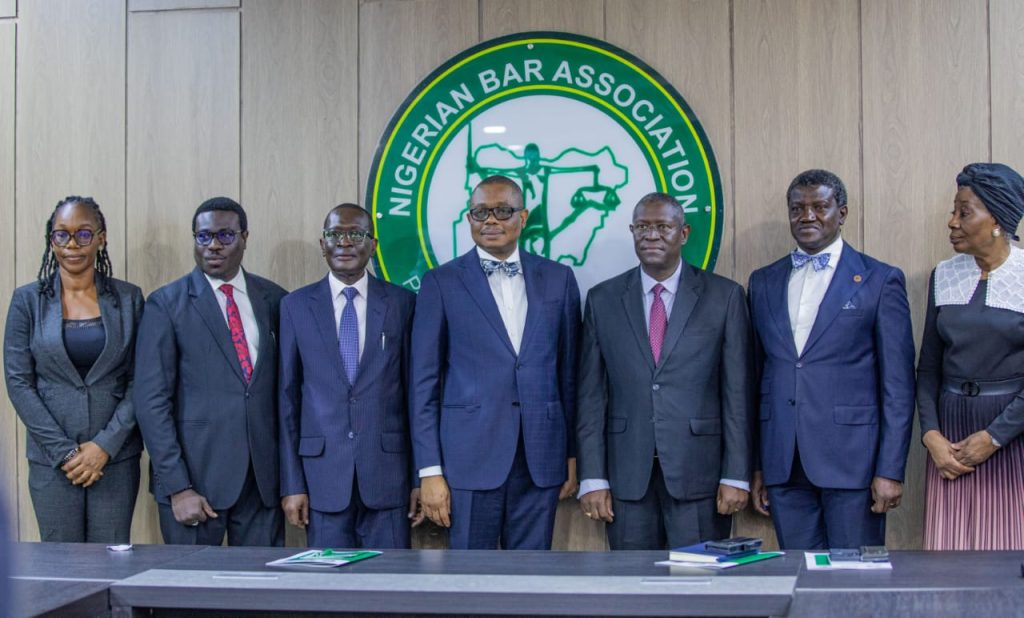
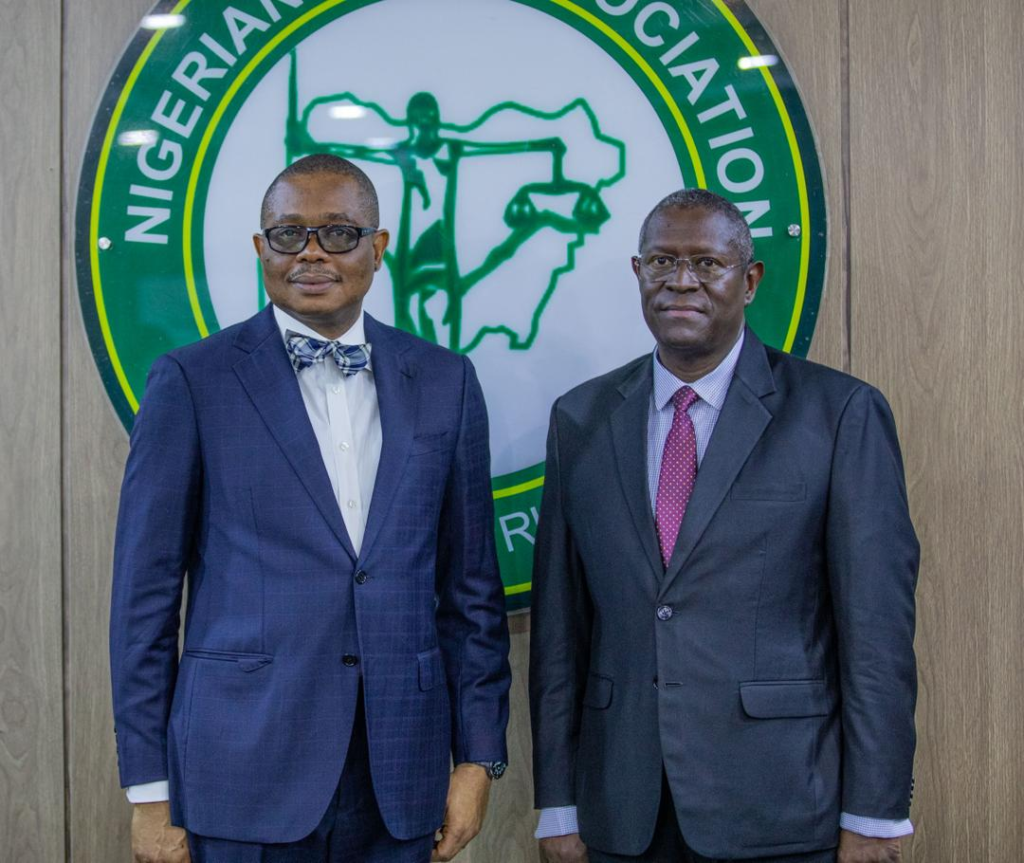
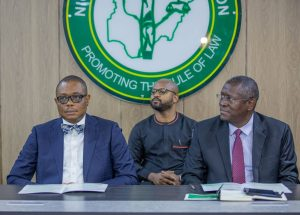
The renewed push followed a high-level meeting in Abuja where NBA President, Afam Osigwe (SAN) hosted ECOWAS Court President, Justice Ricardo Cláudio Monteiro Gonçalves, at the NBA National Secretariat. Both leaders identified the non-enforcement of judgments as a major threat to justice, judicial credibility, and the rule of law across the sub-region. 
In plain terms, NBA, ECOWAS Court seek stronger enforcement of judgments because a judgment that cannot be enforced is not just a legal failure. It is a governance failure. It tells victims that the system cannot protect them, and it tells violators that consequences are optional.
Why enforcement has become the real battleground
Across West Africa, the ECOWAS Court has issued landmark rulings on human rights, due process, and state obligations. Yet compliance remains uneven, with delays and outright refusal still common. The ECOWAS Court itself has been building a structured enforcement conversation with member states through bilateral meetings and engagement with Competent National Authorities responsible for implementing judgments. 
That is the core of why NBA, ECOWAS Court seek stronger enforcement of judgments now. The Court can decide cases. But it relies on member states and national institutions to carry judgments into reality.
What was discussed in Abuja
From the details released on the visit, the NBA framed the engagement as timely and fundamental to the credibility of judicial institutions. The ECOWAS Court delegation’s visit centred on enforcement as a survival issue for justice systems. 
This matters for Nigeria in a specific way. Nigeria is one of ECOWAS’ biggest member states, and the country’s legal and political signals often shape regional behaviour. When Nigeria treats enforcement casually, it creates cover for non-compliance elsewhere. When Nigeria gets serious, it strengthens the Court’s authority across the region.
The law is clear, the practice isn’t
The ECOWAS framework is not ambiguous about the legal weight of the Court’s judgments. Judgments of the ECOWAS Court are binding on member states under the ECOWAS treaty framework and related protocols. 
So why do states still stall?
A recurring issue raised in earlier ECOWAS Court conversations is the “plumbing” of government: frequent changes in officeholders, weak inter-agency coordination, and poor communication channels between the Court and national authorities that should execute decisions. Those gaps can turn enforcement into an endless relay race where nobody holds the baton long enough to finish the job. 
That’s part of why NBA, ECOWAS Court seek stronger enforcement of judgments: not because the rules are missing, but because the machinery is inconsistent.
Why the NBA is stepping in
The NBA is not an enforcement agency. But it is the country’s most influential professional voice on legal standards, judicial independence, and access to justice. When the NBA puts enforcement at the centre of public conversation, it does two things:
1. It raises the political cost of ignoring judgments
2. It rallies the profession around practical solutions: better coordination, clearer procedures, and sustained pressure on institutions to obey the law
This is also a credibility issue for lawyers and judges. The public does not separate “court” from “government.” If judgments are routinely ignored, people start viewing litigation as theatre, not remedy.
NBA, ECOWAS Court seek stronger enforcement of judgments because the legal system cannot survive long on symbolism.
https://ogelenews.ng/nba-ecowas-court-seek-enforcement-of-judgments
What “stronger enforcement” could realistically mean
In practice, stronger enforcement tends to land in a few buckets:
• Clear national focal points for ECOWAS Court judgments (one accountable authority, not scattered desks)
• Routine reporting on compliance status, with timelines and responsible agencies
• Better communication channels between the ECOWAS Court and national implementing authorities
• Domestic court cooperation, where appropriate, to support recognition and execution processes
The ECOWAS Court has already been pushing structured engagement with national authorities through meetings designed to review enforcement status and improve compliance processes. 
NBA, ECOWAS Court seek stronger enforcement of judgments because these are the practical levers that turn court orders into outcomes.
Why this matters beyond courtrooms
When court judgments are ignored, the damage spreads:
• Investors see legal uncertainty
• Citizens lose faith and may resort to self-help
• Human rights protections weaken
• Regional integration suffers because the shared legal order becomes optional
That is why this meeting is not “just NBA protocol.” It is an institutional alarm bell.
NBA, ECOWAS Court seek stronger enforcement of judgments because enforcement is where legitimacy is won or lost.
Bottom line
The Abuja engagement is a clear signal: the NBA and the ECOWAS Court are aligning to confront a long-running problem that threatens justice delivery across West Africa. The next test is whether this conversation produces measurable change: improved coordination, public tracking of compliance, and consequences for persistent refusal to obey lawful judgments.
NBA, ECOWAS Court seek stronger enforcement of judgments, and the region will be watching whether member states finally treat judgments as binding commands, not polite suggestions.
https://punchng.com/nba-ecowas-court-seek-stronger-enforcement-of-judgments