












NDDC 2025 budget 2025 budget
The NDDC 2025 budget has emerged as a major focal point in Nigeria’s ongoing debate about accountability, development, and the future of the Niger Delta, as lawmakers and development stakeholders intensify calls for transparency and measurable impact in the deployment of public funds.
With a proposed allocation of ₦1.75 trillion, the Niger Delta Development Commission (NDDC) is preparing to implement its most ambitious financial plan in years. Lawmakers insist that this budget must move beyond paperwork and promises to deliver visible improvements in infrastructure, livelihoods, and social services across the oil-producing states.
The renewed scrutiny comes against the backdrop of decades of public concern over how development funds are managed in the Niger Delta, a region that generates much of Nigeria’s oil wealth but continues to struggle with poor infrastructure, unemployment, and environmental degradation.
https://ogelenews.ng/nddc-2025-budget-accountability-impact
Lawmakers Demand Accountability in the NDDC 2025 Budget
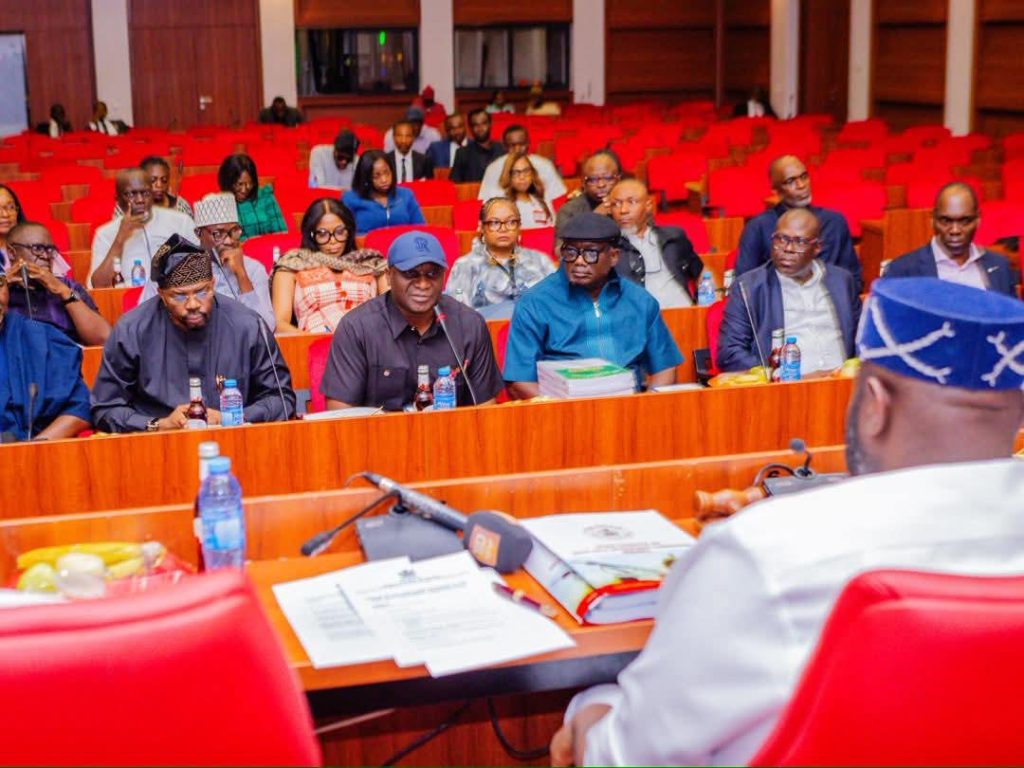
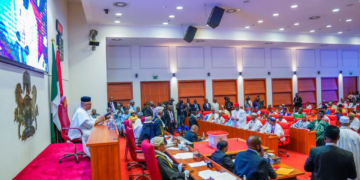
During budget defence sessions at the National Assembly, members of the Senate and House of Representatives committees overseeing the NDDC made it clear that the NDDC 2025 budget would not receive automatic approval without strong guarantees of accountability.
Chairperson of the House Committee on NDDC, Hon. Erhiatake Ibori-Suenu, described the budget as an opportunity to reset the commission’s reputation and rebuild public confidence. According to her, the size of the allocation carries an obligation to ensure that every naira delivers measurable value to communities across the Niger Delta.
She emphasized that lawmakers would insist on transparency, proper documentation, and project monitoring to prevent waste, duplication, or abandonment. The committee, she said, would focus on ensuring that spending aligns with national development priorities and responds to the real needs of people on the ground.
A Budget Framed Around Development and Reform
Presenting the proposal, NDDC Managing Director Dr. Samuel Ogbuku described the NDDC 2025 budget as a “Budget of Consolidation,” designed to build on reforms introduced in previous years while shifting attention toward long-term development outcomes.
According to the commission, more than ₦1.63 trillion of the proposed allocation is earmarked for capital projects, with a smaller portion reserved for personnel costs and administrative expenses. This structure, officials say, reflects a deliberate attempt to reduce overhead and channel resources into physical infrastructure and human development.
One of the most notable reforms introduced in the 2025 proposal is the abandonment of the traditional line-item budgeting system. Instead, the commission has adopted a sector-based budgeting framework, which groups projects by development priorities such as roads, education, health, power, and youth empowerment.
Officials argue that this approach will improve coordination, speed up implementation, and make monitoring easier for lawmakers and oversight agencies.
Focus on Infrastructure and Human Capacity
At the heart of the NDDC 2025 budget is a renewed focus on infrastructure development. Lawmakers and development officials agree that poor road networks, inadequate water supply, and failing public facilities continue to hold back economic activity across the Niger Delta.
Planned investments target the construction and rehabilitation of roads, bridges, shoreline protection structures, water schemes, and electrification projects. These interventions are expected to improve connectivity between rural communities and urban centers, reduce flooding, and support local commerce.
In addition to physical infrastructure, the budget places strong emphasis on human capital development. Programmes aimed at skills acquisition, vocational training, and youth empowerment are expected to receive increased funding. The goal is to equip young people with employable skills and reduce dependence on informal or illegal economic activities.
Oversight Mechanisms and Legislative Monitoring
The Senate Committee on NDDC, chaired by Senator Asuquo Ekpenyong, has announced plans to intensify oversight of the commission’s activities. Lawmakers intend to conduct physical inspections of projects executed between 2021 and 2024 as part of efforts to verify claims made in past budgets.
This renewed oversight drive reflects growing frustration over abandoned or poorly executed projects that have dotted the Niger Delta for years. Legislators say that without verification and enforcement, even the most ambitious budgets risk becoming ineffective.
Experts believe that sustained legislative scrutiny could mark a turning point for the commission if implemented consistently. Monitoring, they argue, should go beyond paperwork to include community feedback, independent verification, and clear performance benchmarks.
Aligning With National Development Priorities
The NDDC 2025 budget has also been framed within the broader context of President Bola Ahmed Tinubu’s Renewed Hope Agenda, which emphasizes inclusive growth, institutional reform, and improved service delivery across Nigeria.
Officials say the budget aligns with national goals of reducing poverty, strengthening infrastructure, and promoting economic stability in strategic regions such as the Niger Delta. Collaboration between the NDDC, the Ministry of Regional Development, and the National Assembly is expected to strengthen policy coherence and implementation.
Dr. Ogbuku has acknowledged the role of federal lawmakers in shaping a more accountable framework, noting that cooperation between the executive and legislature is critical to restoring trust in the commission.
What the NDDC 2025 Budget Means for Niger Delta Communities
For many residents, the success of the NDDC 2025 budget will not be measured by speeches or figures but by tangible outcomes. Communities are watching closely for evidence of functional roads, accessible healthcare facilities, clean water projects, and employment opportunities.
Civil society groups argue that meaningful development must include community participation and transparency. They stress that projects should be selected based on local needs rather than political considerations, and that timelines and budgets should be made publicly accessible.
Environmental remediation also remains a major concern. Oil pollution continues to affect farmlands and waterways, undermining livelihoods. Observers say development spending must go hand-in-hand with environmental responsibility if long-term progress is to be achieved.
A Test of Reform and Credibility
Ultimately, the NDDC 2025 budget represents more than a financial plan; it is a test of institutional credibility. After years of controversy and unmet expectations, the commission faces growing pressure to demonstrate that reform is real and sustainable.
If effectively implemented, the budget could mark a turning point in the Niger Delta’s development story, transforming public perception and improving living conditions across the region. If mismanaged, however, it risks reinforcing long-standing distrust.
As lawmakers intensify oversight and citizens demand results, the coming months will reveal whether this ambitious budget can translate into meaningful progress for the people it is meant to serve.