
















NDDC Hostel Project at Niger Delta University Marks Major Step in Campus Infrastructure
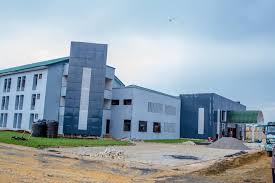
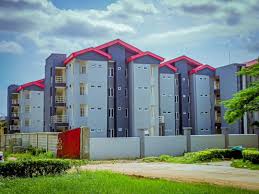
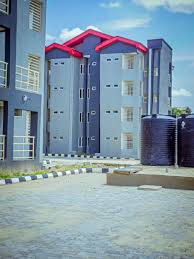
The Niger Delta Development Commission has completed a 650-bed hostel complex at the Niger Delta University, located in Amassoma, Bayelsa State, marking one of the most significant student housing interventions on the campus in recent years.
The project, described by officials as part of the Commission’s renewed focus on education-support infrastructure, comes amid long-standing concerns over inadequate accommodation, overcrowding, and rising off-campus living costs for students of the university.
For many within the Niger Delta academic community, the completion of the NDDC hostel project at Niger Delta University represents both relief and a test of credibility.
A Campus Long Strained by Housing Shortages
For over a decade, Niger Delta University has struggled with limited on-campus accommodation relative to its growing student population. Thousands of students have been forced to seek housing in surrounding communities, often at high cost and with limited access to reliable electricity, water, and security.
Student leaders have repeatedly warned that poor housing conditions affect academic performance, safety, and overall student welfare.
Against this backdrop, the NDDC hostel project at Niger Delta University was conceived as a strategic intervention aimed at easing pressure on students while reinforcing the institution’s capacity as Bayelsa State’s flagship public university.
Inside the 650-Bed Hostel Complex
According to project details, the hostel complex comprises multiple residential blocks designed to house up to 650 students. Facilities reportedly include:
- Shared and semi-private rooms
- Sanitary conveniences on each floor
- Power and water infrastructure
- Access roads and drainage systems
While full commissioning details are yet to be publicly disclosed, the physical completion of the structures has been confirmed, raising expectations that allocation to students could begin soon.
For students, the immediate concern is not just availability but affordability and maintenance.
Education Infrastructure and the NDDC Mandate
The NDDC hostel project at Niger Delta University aligns with the Commission’s statutory mandate to support development in oil-producing states through infrastructure, human capital development, and environmental remediation.
Historically, the NDDC has invested in:
- Roads and bridges
- Shoreline protection
- Skills acquisition centers
- Educational facilities
However, its track record has also been marred by abandoned projects, cost overruns, and incomplete interventions across the Niger Delta.
As a result, completed projects like the NDU hostel carry symbolic weight beyond their immediate function.
A Region Watching Closely
Across the Niger Delta, public reaction to NDDC announcements is often cautious. Communities have seen projects announced with fanfare only to stall midway or deteriorate shortly after completion.
This is why the NDDC hostel project at Niger Delta University is being closely scrutinized not only by students but by civil society groups, alumni, and residents of Bayelsa State.
Key questions being asked include:
- Was the project delivered within budget?
- Will the hostel be properly managed?
- How soon will students move in?
- Will maintenance be sustained?
Without transparent answers, even completed infrastructure risks losing public trust.
Student Reactions: Relief Mixed with Skepticism
Initial reactions from students have been cautiously optimistic. Many see the hostel as a long-awaited intervention that could reduce off-campus expenses and improve campus life.
At the same time, students are wary of:
- Delays in allocation
- Politicization of hostel spaces
- Poor maintenance over time
For them, the true success of the NDDC hostel project at Niger Delta University will be measured not by ribbon-cutting ceremonies but by lived experience.
Bayelsa State and Federal Collaboration
Bayelsa State officials have previously emphasized the importance of federal intervention agencies supporting state institutions, particularly in education and healthcare.
The completion of the hostel underscores the role of intergovernmental collaboration in addressing structural deficits that state budgets alone may struggle to cover.
Yet observers note that sustainable progress requires coordination between:
- Federal agencies like the NDDC
- State governments
- University management
Without alignment, even well-intended projects can fall into disrepair.
Infrastructure as Policy Signal
Beyond bricks and mortar, the NDDC hostel project at Niger Delta University functions as a policy signal. It suggests an attempt by the Commission to shift focus toward visible, people-centered outcomes after years of reputational damage.
For the current leadership of the NDDC, completed projects offer an opportunity to rebuild credibility in a region where public patience has worn thin.
But credibility, analysts argue, is cumulative and fragile.
https://ogelenews.ng/nddc-hostel-project-at-niger-delta-university
Accountability Still Matters
Transparency advocates stress that completion should not end scrutiny. They call for:
- Public disclosure of project costs
- Clear handover documentation
- Independent quality assessments
- Long-term maintenance plans
Without these, the hostel risks joining the long list of underutilized or deteriorating public assets in the Niger Delta.
The NDDC hostel project at Niger Delta University therefore sits at the intersection of hope and accountability.
What This Means for the Niger Delta
Education remains one of the most powerful tools for addressing the Niger Delta’s long-term challenges, from unemployment to environmental degradation.
Improved student accommodation directly affects:
- Retention rates
- Academic performance
- Campus safety
- Community relations
If properly managed, the hostel could set a benchmark for future education-focused interventions across the region.
Conclusion
The completion of the NDDC hostel project at Niger Delta University is a notable development in Bayelsa State’s education landscape and a rare example of a major NDDC project reaching physical completion.
Whether it becomes a lasting asset or another missed opportunity will depend on transparency, management, and sustained commitment.
For now, the hostel stands as a concrete reminder that development in the Niger Delta is not only about promises, but about delivery.