













NDLEA Seizes Illicit Drugs Worth N2.8bn in Jigawa
https://ogelenews.ng/ndlea-seizes-illicit-drugs-worth-n2-8bn-in-jigawa
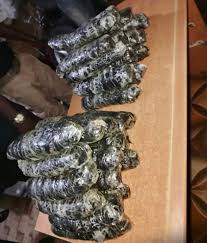
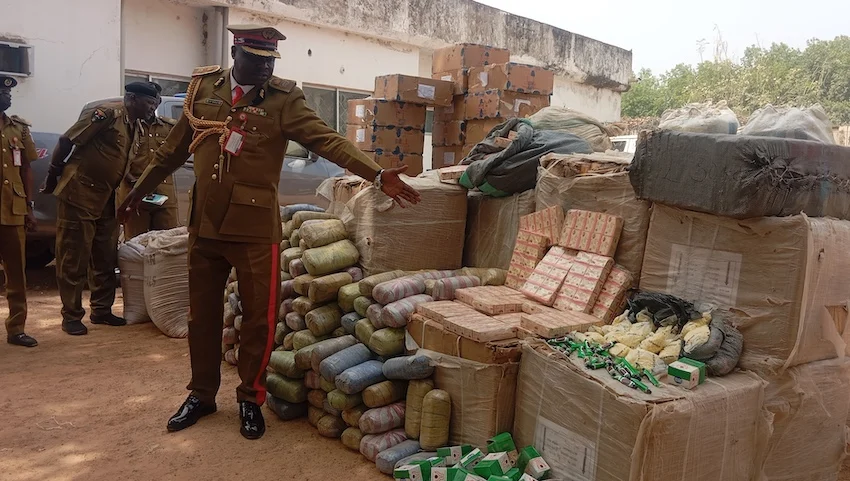
The National Drug Law Enforcement Agency (NDLEA) has recorded one of its most significant operational breakthroughs in recent months with the seizure of illicit drugs valued at ₦2.8 billion in Jigawa State, underscoring the scale of Nigeria’s ongoing battle against drug trafficking networks operating across the country’s northern corridor. The NDLEA seizes illicit drugs worth N2.8bn in Jigawa
The massive haul, confirmed by NDLEA officials, was intercepted during coordinated intelligence-led operations targeting major transit routes commonly used by drug syndicates to move narcotics from border communities into urban centres and onward to other regions of the country.
According to the agency, the seized consignments included large quantities of banned substances concealed in commercial vehicles and storage facilities, pointing to the increasingly sophisticated methods employed by traffickers seeking to evade detection. The operation, which spanned multiple locations across Jigawa, involved surveillance, vehicle tracking, and coordinated raids by NDLEA operatives.
A Major Blow to Drug Trafficking Networks
The NDLEA described the seizure as a decisive blow to organised drug trafficking networks that have continued to exploit Jigawa’s strategic location near Nigeria’s international borders. Officials noted that the state’s proximity to key transit points has made it attractive to syndicates attempting to smuggle drugs into the country or distribute them across northern and southern markets.
Speaking on the development, an NDLEA spokesperson said the operation reflected the agency’s renewed emphasis on intelligence sharing, community cooperation, and proactive interdiction rather than reactive enforcement.
“This seizure sends a clear message that Nigeria is no longer a safe corridor for drug trafficking,” the spokesperson said. “The value of the drugs intercepted in Jigawa alone represents billions of naira that would have funded criminal enterprises, destroyed families, and undermined public safety.”
NDLEA Seizes Illicit Drugs Worth N2.8bn in Jigawa Amid Border Concerns
Security analysts say the fact that NDLEA seizes illicit drugs worth N2.8bn in Jigawa highlights growing concerns about porous borders and the evolving tactics of traffickers who rely on rural routes, informal crossings, and commercial transport systems to move narcotics.
Jigawa shares boundaries with neighbouring states and lies along routes frequently used by long-distance transporters, making it a critical node in Nigeria’s drug supply chain. NDLEA officials confirmed that investigations are ongoing to trace the origins of the seized drugs and identify local collaborators who may have facilitated storage and movement.
Several suspects were reportedly arrested during the operation, while others are believed to have fled upon sensing the presence of law enforcement. The agency said those in custody would be charged to court following the conclusion of preliminary investigations.
Impact on Public Health and Community Safety
The seizure has renewed conversations about the broader social and health implications of drug trafficking in northern Nigeria. Community leaders in Jigawa have long expressed concerns about the rise in drug abuse among youths, linking it to unemployment, cross-border crime, and the availability of cheap narcotics.
Public health experts warn that drugs such as opioids, cannabis derivatives, and synthetic substances not only fuel addiction but also contribute to violent crime, road accidents, and mental health crises. By intercepting drugs valued at ₦2.8bn, the NDLEA has potentially prevented thousands of doses from reaching vulnerable populations.
Local advocacy groups welcomed the development, calling on authorities to sustain enforcement efforts while also investing in rehabilitation and prevention programmes. “Enforcement alone is not enough,” one community organiser said. “We must also address the demand side through education, treatment, and economic opportunities for young people.”
NDLEA Seizes Illicit Drugs Worth N2.8bn in Jigawa as Enforcement Intensifies
The Jigawa operation forms part of a broader nationwide crackdown under the NDLEA’s current leadership, which has prioritised high-impact seizures and prosecutions. Over the past year, the agency has reported increased interceptions at seaports, airports, highways, and border towns.
Officials say the success recorded in Jigawa reflects improved collaboration with other security agencies, traditional rulers, and transport unions who provide critical intelligence on suspicious movements.
As NDLEA seizes illicit drugs worth N2.8bn in Jigawa, the agency has reiterated its commitment to sustaining pressure on trafficking networks, particularly in states that serve as transit hubs.
Legal Action and Next Steps
The NDLEA confirmed that all seized substances have been properly documented and secured in line with legal procedures. Forensic analysis will be conducted to determine the exact composition of the drugs, while case files are being prepared for prosecution.
Legal experts note that successful convictions in high-value drug cases depend on meticulous evidence handling and strong collaboration with the judiciary. The agency has pledged to pursue the cases diligently, stressing that enforcement must translate into accountability.
A Signal Beyond Jigawa
Beyond its immediate impact, the seizure sends a broader signal to criminal networks operating across Nigeria. Analysts believe the operation demonstrates that traffickers can no longer rely on perceived “safe zones” or border proximity to escape scrutiny.
As NDLEA seizes illicit drugs worth N2.8bn in Jigawa, the development reinforces the agency’s evolving posture: one that combines intelligence, enforcement, and deterrence in addressing a complex national challenge.
For residents of Jigawa and neighbouring states, the operation offers cautious reassurance that authorities are stepping up efforts to curb activities that threaten public health and security. Whether this momentum can be sustained will depend on continued political support, community cooperation, and institutional discipline within Nigeria’s drug control frame