


















Nigerian Army arrest 3 ISWAP recruitment agents
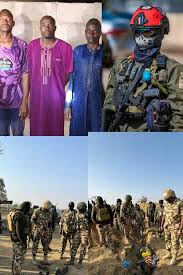
The Nigerian Army arrest of 3 ISWAP recruitment agents in Borno State marks a significant breakthrough in ongoing counter-terrorism operations across Nigeria’s troubled North-East. Military authorities confirmed that the suspects were apprehended during a targeted intelligence-led operation aimed at dismantling recruitment networks used by the Islamic State West Africa Province (ISWAP) to replenish its fighting force.
While battlefield victories often dominate headlines, security experts say disrupting recruitment pipelines is just as critical. The arrest of these ISWAP recruitment agents exposes how extremist groups continue to exploit vulnerable communities, particularly in rural Borno, despite sustained military pressure. Nigerian Army arrest 3 ISWAP recruitment agents.
This development raises urgent questions about how ISWAP operates, who it targets, and what Nigeria must do to permanently weaken insurgent networks.
How the Nigerian Army Arrested the ISWAP Recruitment Agents
According to military sources, the Nigerian Army arrest of 3 ISWAP recruitment agents followed weeks of surveillance and intelligence gathering by troops attached to Operation Hadin Kai. The suspects were reportedly intercepted while attempting to mobilize young men for induction into ISWAP camps located in hard-to-reach areas of the Sambisa forest and Lake Chad axis.
Nigerian Army arrest 3 ISWAP recruitment agents, Security officials disclosed that the suspects posed as labor recruiters and religious instructors, a strategy commonly used by ISWAP to avoid suspicion. During interrogation, the suspects allegedly confessed to receiving payments and logistical support from ISWAP commanders in exchange for supplying new fighters.
Recovered items reportedly included mobile phones containing contact lists, propaganda materials, and cash believed to be recruitment incentives.
Why ISWAP Recruitment Remains a Major Threat
Despite years of military offensives, ISWAP has maintained operational capacity largely through aggressive recruitment. Analysts say the group capitalizes on poverty, displacement, and weak governance structures in conflict-affected areas.
The Nigerian Army arrest of 3 ISWAP recruitment agents highlights how insurgent groups shift tactics when faced with military pressure. Instead of mass abductions, ISWAP increasingly relies on voluntary enlistment driven by financial promises, ideological manipulation, and coercion.
Young men from internally displaced persons (IDP) camps and remote villages are often targeted, with recruiters offering cash payments, food, or protection for families left behind. Nigerian Army arrest 3 ISWAP recruitment agents.
Borno’s Long Battle With Insurgent Networks
Borno State has remained the epicenter of Nigeria’s insurgency for over a decade. While Boko Haram’s influence has waned, ISWAP has filled the vacuum with a more structured and community-embedded approach.
Military officials say the Nigerian Army arrest of 3 ISWAP recruitment agents is part of a broader strategy to neutralize not just fighters but also facilitators, informants, and financiers. Without recruitment agents, ISWAP’s ability to sustain attacks and expand territory is significantly weakened.
However, residents say fear and silence still dominate many communities, making intelligence gathering difficult.
What the Arrests Reveal About ISWAP’s Internal Operations
Security experts note that recruitment agents often operate independently in local cells, reporting to regional ISWAP commanders. This decentralized structure allows the group to survive even after losing key leaders.The Nigerian Army arrest 3 ISWAP recruitment agents
The Nigerian Army arrest of 3 ISWAP recruitment agents suggests that intelligence penetration into ISWAP networks is improving. Analysts believe such arrests can lead to further breakthroughs if information extracted is swiftly acted upon.
Past operations have shown that recruitment agents often double as logistics handlers, moving food, fuel, and weapons between camps.
Military Strategy: Targeting the Supply Chain of Terrorism
The Nigerian military has increasingly shifted focus from direct combat to dismantling insurgent supply chains. This includes targeting recruitment, funding, and ideological indoctrination.
Officials say the Nigerian Army arrest of 3 ISWAP recruitment agents aligns with this doctrine, which aims to starve terrorist groups of manpower before launching large-scale offensives.
Military commanders argue that preventing one recruit from joining ISWAP is equivalent to saving multiple civilian lives.
https://ogelenews.ng/nigerian-army-arrest-3-iswap-recruitment-agents
Community Reactions in Borno
Nigerian Army arrest 3 ISWAP recruitment agents in affected areas expressed cautious optimism following news of the arrests. Community leaders say recruitment efforts often occur quietly, with families sometimes unaware that their sons have been radicalized until it is too late.
Local vigilante groups and Civilian Joint Task Force (CJTF) members welcomed the Nigerian Army arrest of 3 ISWAP recruitment agents, calling for deeper collaboration between civilians and security forces.
However, they also warned that without economic alternatives, recruitment attempts will continue.
The Role of Poverty and Displacement
Experts emphasize that security operations alone cannot end recruitment. Over two million people remain displaced in Borno, many living in overcrowded camps with limited access to education or employment.
ISWAP recruiters exploit this desperation. The Nigerian Army arrest of 3 ISWAP recruitment agents underscores the need for post-conflict recovery programs that address unemployment, trauma, and reintegration.
Without sustained social intervention, analysts warn that arrested recruiters may simply be replaced.
Legal and Intelligence Implications
Military sources confirmed that the suspects will be handed over to relevant authorities for prosecution after intelligence exploitation. Counter-terrorism laws allow for extended interrogation in cases involving national security threats.
The Nigerian Army arrest of 3 ISWAP recruitment agents could also lead to additional arrests if communication trails are traced effectively. Intelligence agencies are reportedly working to map wider recruitment networks across Borno and neighboring states.
What This Means for Nigeria’s Security Outlook
While the arrests represent progress, security analysts caution against over-celebration. ISWAP remains resilient, adaptive, and deeply entrenched in some communities.The Nigerian Army arrest 3 ISWAP recruitment agents
Still, the Nigerian Army arrest of 3 ISWAP recruitment agents sends a strong signal that the military is tightening its grip on insurgent operations beyond the battlefield.
If sustained, this approach could gradually erode ISWAP’s ability to regenerate fighters and launch large-scale attacks.
https://dailytrust.com/tag/iswap
The Bigger Picture
Nigeria’s fight against terrorism is increasingly being won or lost away from frontlines. Recruitment agents operate in shadows, using trust, faith, and desperation as weapons.
By disrupting these channels, the Nigerian Army arrest of 3 ISWAP recruitment agents represents more than a tactical victory. It is a reminder that counter-insurgency is as much about intelligence, community trust, and governance as it is about firepower.
For residents of Borno, the hope is that such operations will translate into lasting peace, not just temporary relief.


Nigerian Army arrest 3 ISWAP recruitment agents