



















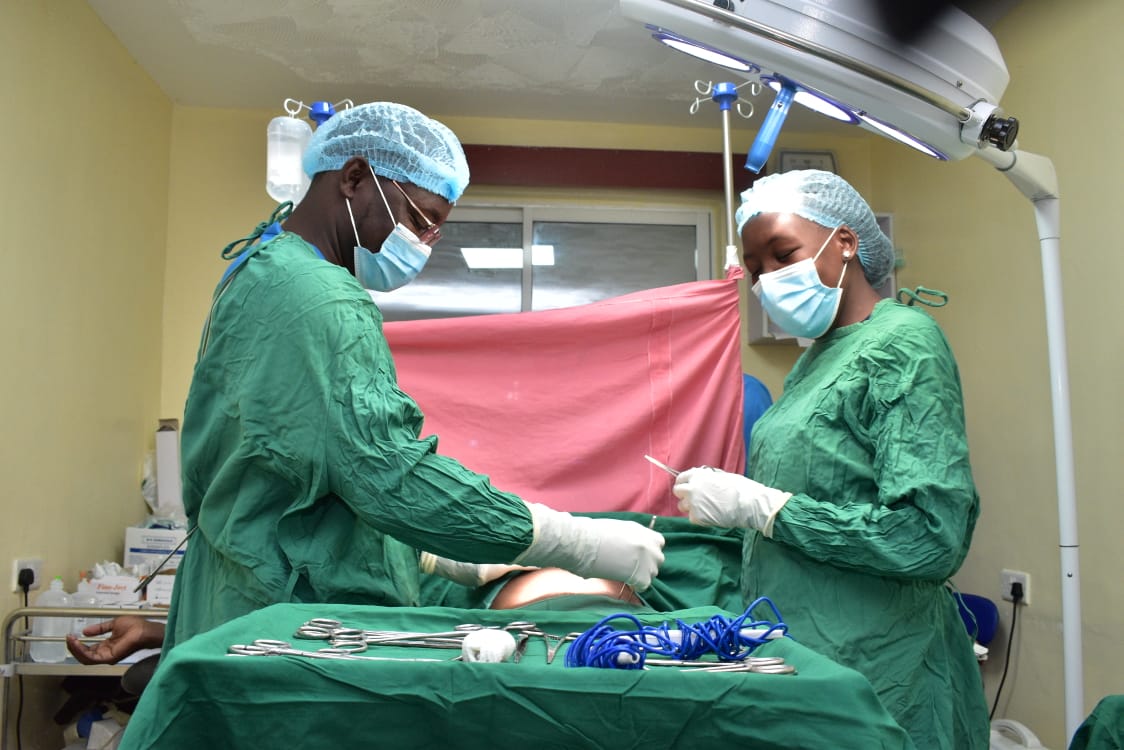
Nigerian Woman Dies After Kano Hospital Allegedly Leaves Surgical Scissors in Her Stomach

Nigerian Woman Dies After Kano Hospital Allegedly Leaves Surgical Scissors in Her Stomach.
A wave of public concern and outrage has followed the death of a Nigerian woman in Kano State after a private hospital was accused of leaving a pair of surgical scissors inside her abdomen during a medical procedure, a claim that has renewed debate around patient safety, medical accountability, and oversight within Nigeria’s healthcare system.
According to family sources, the woman, whose identity has been withheld pending official investigations, reportedly underwent a routine surgical operation at a Kano-based hospital several weeks before her condition began to deteriorate. Relatives allege that she complained persistently of abdominal pain, swelling, and discomfort following the procedure, symptoms that were initially attributed to post-operative recovery complications.
However, her condition reportedly worsened over time, prompting further medical examinations at another facility, where imaging tests allegedly revealed the presence of a metallic object lodged in her abdomen. Family members claim the object was identified as surgical scissors believed to have been left behind during the initial operation.
The woman was said to have undergone emergency intervention in an attempt to address the complication, but despite medical efforts, she later died. The incident has sparked widespread reaction on social media and within civil society circles, with many Nigerians calling for a thorough investigation into the hospital’s practices and accountability for alleged medical negligence.
Allegations and Calls for Accountability
https://ogelenews.ng/nigerian-woman-dies-kano-hospital-surgical-scissors
Nigerian Woman Dies After Kano Hospital Allegedly Leaves Surgical Scissors in Her Stomach.
Intensified scrutiny of surgical protocols in both private and public health facilities. Medical experts note that retained surgical instruments, known medically as “retained surgical items” (RSIs), are considered rare but preventable incidents, often linked to lapses in surgical counts, documentation, or procedural discipline.
Family representatives insist the case goes beyond personal loss and touches on systemic weaknesses within healthcare delivery. They have reportedly demanded access to the woman’s medical records, surgical notes, and post-operative documentation, while also urging state health authorities to intervene.
As of the time of filing this report, the hospital at the centre of the allegation has not issued a public statement addressing the claims. Kano State health authorities have also not formally confirmed whether an official inquiry has been launched, though sources within the health sector say the matter has drawn internal attention.
Medical Negligence and Public Confidence
The case has reopened national conversations about medical negligence in Nigeria and the fragile trust between patients and healthcare providers. Advocacy groups argue that incidents where a Nigerian woman dies after a Kano hospital allegedly leaves surgical scissors in her stomach, whether proven or not, highlight the urgent need for stronger regulatory enforcement, transparent reporting mechanisms, and patient protection frameworks.
Healthcare analysts stress that Nigeria’s medical system is under intense pressure, grappling with understaffing, limited resources, and growing patient loads. While these challenges do not excuse negligence, they underscore the importance of institutional safeguards that prevent avoidable errors during surgical procedures.
Medical associations have repeatedly emphasized the necessity of strict adherence to global surgical safety checklists, including mandatory instrument counts before and after operations. Failure to comply with such protocols, experts warn, exposes patients to severe complications and erodes confidence in medical institutions.

Nigerian Woman Dies After Kano Hospital Allegedly Leaves Surgical Scissors in Her Stomach.
Legal and Regulatory Implications
From a legal standpoint, allegations that a Nigerian woman dies after a Kano hospital allegedly leaves surgical scissors in her stomach could carry serious consequences if substantiated. Nigerian law allows for civil litigation in cases of medical malpractice, while regulatory bodies may impose sanctions ranging from fines to suspension or revocation of operating licenses.
Legal practitioners note that successful prosecution often depends on clear documentation, expert testimony, and proof that established standards of care were breached. In this case, investigators would need to determine whether the alleged surgical instrument was indeed left behind during the operation and whether due process was followed in the woman’s post-operative care,Nigerian Woman Dies After Kano Hospital Allegedly Leaves Surgical Scissors in Her Stomach.
Broader Healthcare Concerns
Beyond the immediate tragedy, the incident reflects broader anxieties surrounding healthcare quality in Nigeria. Patients frequently navigate a system where oversight is inconsistent, and redress mechanisms are slow or inaccessible. Public health advocates argue that transparent investigations and public reporting are essential not only for justice but also for institutional learning.
The growing public reaction suggests that Nigerians are increasingly unwilling to accept silence or denial in cases involving alleged medical negligence. For many observers, the story of a Nigerian woman who dies after a Kano hospital allegedly leaves surgical scissors in her stomach has become symbolic of deeper accountability gaps within the sector.
Awaiting Official Findings
As investigations are awaited, stakeholders continue to urge caution against premature conclusions while also demanding transparency. Civil society groups have called on Kano State health authorities and relevant professional bodies to ensure that any inquiry is independent, thorough, and publicly communicated.
For the bereaved family, the focus remains on answers and accountability. For the wider public, the case reinforces the urgent need for reforms that protect patients, support ethical medical practice, and restore trust in Nigeria’s healthcare institutions.
Until official findings are released, the incident stands as a sobering reminder of the human cost of systemic failures and the importance of vigilance in safeguarding lives within medical settings,Nigerian Woman Dies After Kano Hospital Allegedly Leaves Surgical Scissors in Her Stomach.
Nigerian Woman Dies After Kano Hospital Allegedly Leaves Surgical Scissors in Her Stomach.