

















How the Nigerian Workers Strike in Abuja Unfolded
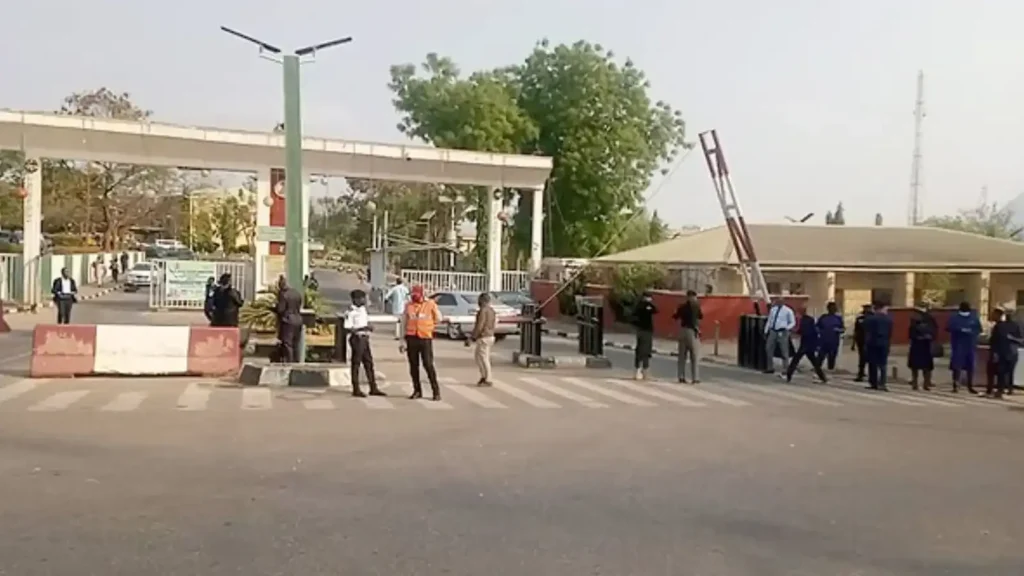
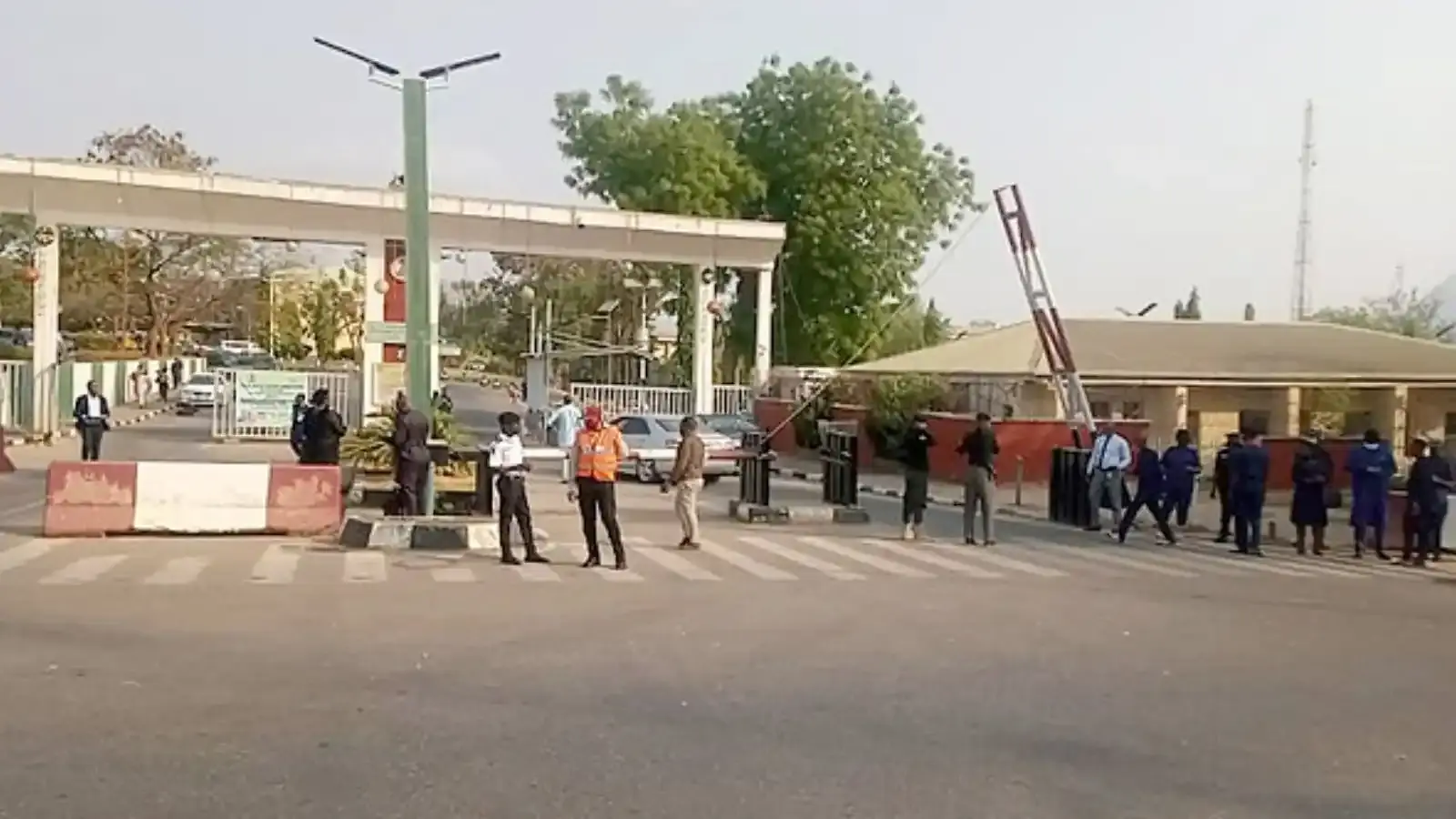
The latest Nigerian workers strike Abuja has once again brought the country’s long-running labour tensions into sharp focus, this time at the very heart of the federal capital. On Monday morning, organised labour shut down the headquarters of the Federal Capital Territory Administration (FCTA) and the Federal Capital Development Authority (FCDA), effectively paralysing key administrative operations in Abuja.
The action, led by labour unions representing public sector workers, is part of a wider industrial protest over unresolved welfare concerns, wage disputes, and what union leaders describe as “continued neglect” by government authorities. While strikes are not new in Nigeria, the decision to target core Abuja institutions has added symbolic weight to the latest Nigerian workers strike Abuja.
What Happened at the FCTA and FCDA Headquarters
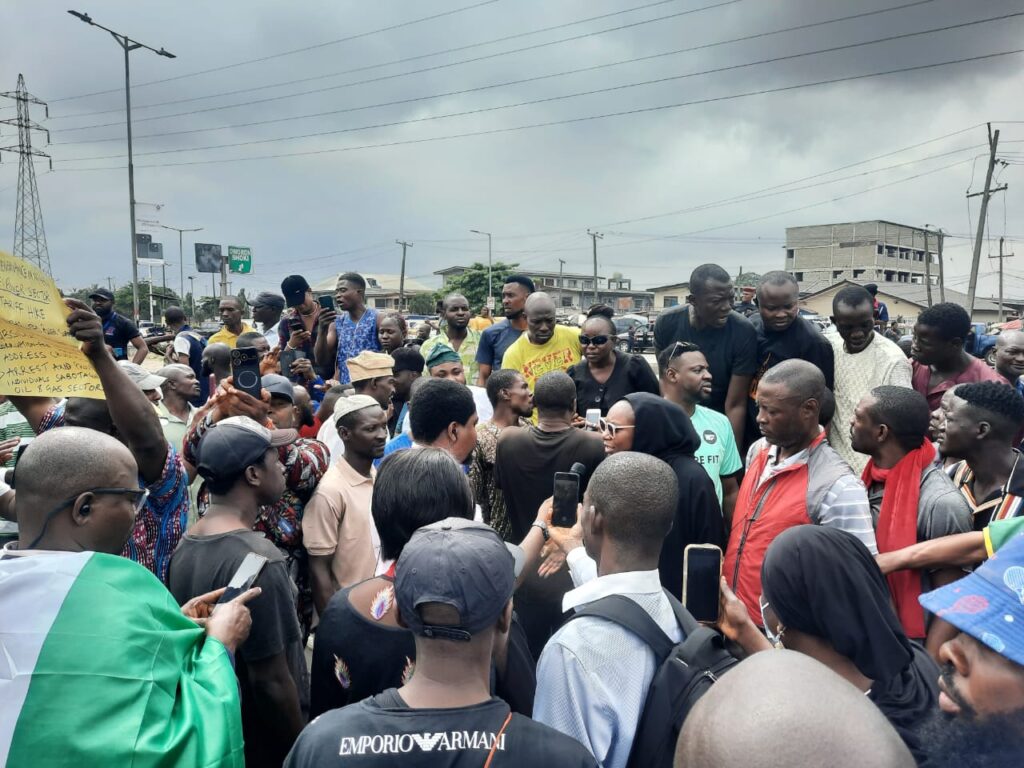
From the early hours of the day, union members barricaded entrances to the FCTA and FCDA offices, preventing workers and senior officials from accessing the buildings. Placards bearing messages demanding better pay, improved working conditions, and respect for negotiated agreements were visible across the premises.
Security personnel were present but largely maintained a passive stance, allowing the protest to proceed without confrontation. By mid-morning, normal activities at both agencies had ground to a halt, confirming the seriousness of the Nigerian workers strike Abuja.
The FCTA oversees governance and administration within the Federal Capital Territory, while the FCDA is responsible for infrastructure development and urban planning. Shutting down both institutions, even temporarily, sends a clear message about labour’s readiness to escalate its demands.
https://ogelenews.ng/nigerian-workers-strike-abuja
Why Nigerian Workers Are on Strike in Abuja
At the centre of the Nigerian workers strike Abuja are long-standing grievances that unions say have been ignored for too long. These include unpaid allowances, delays in implementing agreed salary adjustments, and concerns over the rising cost of living in the capital.
Union leaders argue that Abuja, despite being Nigeria’s seat of power, has become increasingly unaffordable for workers. Housing, transportation, and basic services now consume a significant portion of salaries that have not kept pace with inflation.
According to labour representatives, repeated engagements with government officials produced promises but little concrete action. The strike, they insist, is not about disruption for its own sake, but about forcing accountability.
Why Target FCTA and FCDA
The choice of FCTA and FCDA as protest targets is strategic. These agencies symbolise federal authority in Abuja and directly influence workers’ welfare through policies affecting housing, urban services, and employment conditions.
By shutting down their headquarters, the Nigerian workers strike Abuja draws attention not just to labour issues, but to governance itself. It raises questions about how public institutions function when the workers who keep them running feel marginalised.
Labour analysts note that Abuja-based strikes often attract faster national attention because of their proximity to political leadership and international observers.
Impact on Abuja Residents and Services
The immediate effect of the Nigerian workers strike Abuja has been administrative paralysis. Files went unprocessed, meetings were cancelled, and contractors linked to FCDA projects reported delays.
For Abuja residents, the disruption may translate into postponed approvals, stalled infrastructure work, and slower service delivery. While unions acknowledge the inconvenience caused, they argue that temporary discomfort is necessary to secure long-term fairness.
Government Response So Far
As of the time of reporting, officials from the FCTA and the Federal Ministry of Labour have called for dialogue, urging workers to return to the negotiating table. However, union leaders insist that talks must be backed by concrete timelines and written commitments.
Past experiences, they argue, show that verbal assurances often fade once protests end. This distrust is a key driver of the Nigerian workers strike Abuja and explains why unions appear determined to sustain pressure.
What This Strike Says About Labour Relations in Nigeria
Beyond Abuja, the Nigerian workers strike Abuja reflects deeper structural issues in Nigeria’s labour relations. Rising inflation, subsidy reforms, and economic restructuring have intensified pressure on workers, while wage adjustments lag behind reality.
The strike highlights a recurring pattern: agreements reached under pressure, delayed implementation, and eventual industrial action. Until this cycle is broken, labour experts warn that strikes will remain a recurring feature of Nigeria’s governance landscape.
What Happens Next
Whether the Nigerian workers strike Abuja continues depends largely on how quickly government authorities respond with credible solutions. If negotiations resume in good faith and produce tangible outcomes, unions may suspend the action.
However, failure to address core demands could see the strike widen, potentially affecting more federal institutions within the capital.
For now, the shutdown of FCTA and FCDA stands as a reminder that governance is not just about policies and buildings, but about the people who keep the system running.