
















Nigerians to face electricity blackout over maintenance of gas facility
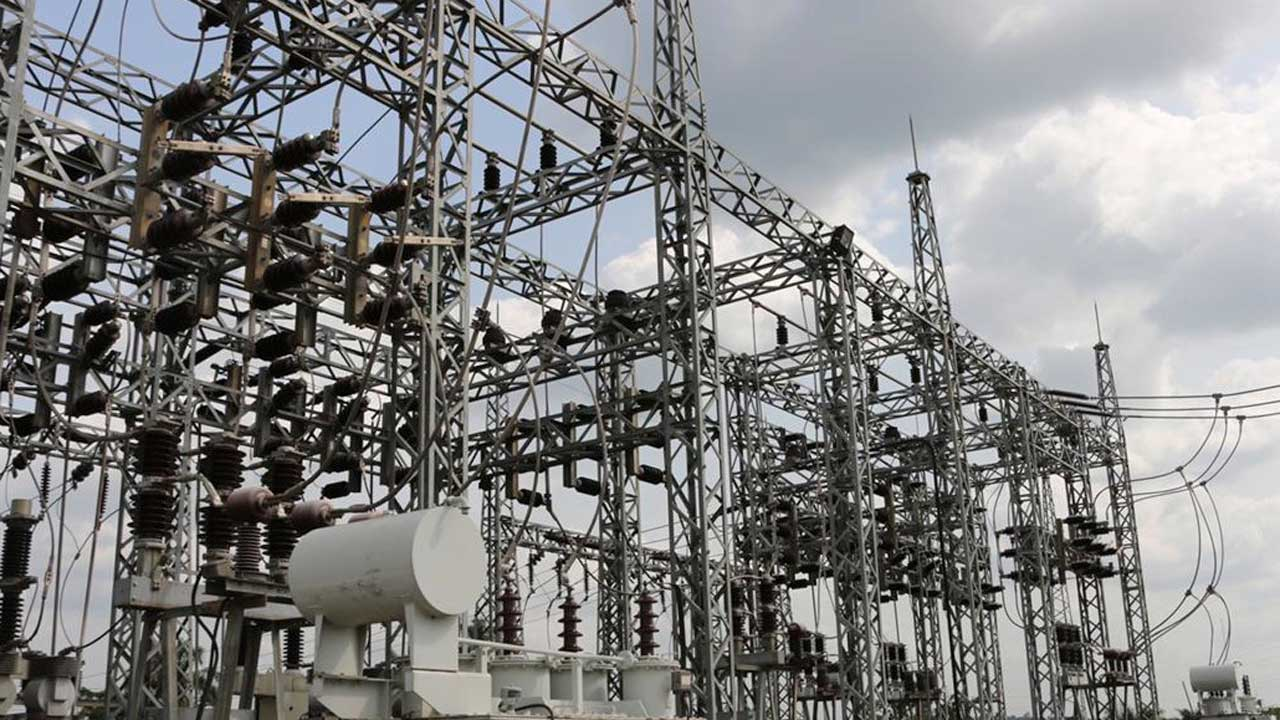
Nigerians may experience fresh power cuts this week as scheduled maintenance on a major gas facility is expected to constrain gas supply to key thermal power plants, forcing a significant drop in electricity generation and raising the risk of load shedding on the national grid.
The warning was issued by the Nigerian Independent System Operator (NISO), which said the maintenance window is February 12 to February 15, 2026, a period during which gas supply constraints could reduce available generation by about 934.96 megawatts (MW), roughly a fifth of current available capacity. 
In plain terms, Nigerians to face electricity blackout over maintenance of gas facility is not just a dramatic headline, it is a credible risk of tighter supply, especially in areas served by gas-dependent plants.
What exactly is happening
According to NISO’s notice to market participants, the maintenance will affect gas feed into a critical supply system, leading to reduced generation from several thermal plants connected to the national grid. 
Separate industry reporting linked the maintenance to a Seplat Energy facility shutdown, with officials warning that gas constraints could hit multiple power plants and ripple across the grid. 
This is why Nigerians to face electricity blackout over maintenance of gas facility has become a top concern in the power market today: gas remains the backbone of grid generation, and when supply tightens, the grid feels it quickly.
How bad could it get
Business reporting based on NISO’s figures indicates generation could fall by 934.96MW during the maintenance period, triggering structured load shedding as the system operator prioritises grid stability and essential services. 
The key point here is that Nigerians to face electricity blackout over maintenance of gas facility does not automatically mean the entire country will go dark at once. What it often means in practice is:
• more frequent outages,
• longer outage hours in some feeders,
• tighter allocation by DisCos,
• and reduced supply for non-critical demand.
NISO also indicated that contingency planning and system monitoring would be intensified, with full gas supply expected to return February 16, 2026 if the maintenance stays on schedule. 
https://ogelenews.ng/nigerians-to-face-electricity-blackout

Why gas maintenance hits electricity so hard
Nigeria’s grid is heavily reliant on gas-fired thermal plants. When gas supply dips, generation drops, and the grid operator must balance demand with available supply to avoid system instability.
That is the technical reason Nigerians to face electricity blackout over maintenance of gas facility keeps resurfacing: the power sector’s most common bottleneck is not transmission alone, it is fuel-to-plant availability, especially gas constraints.
Daily Trust also reported that the maintenance would temporarily reduce gas supply into the relevant pipeline system for about four days, reinforcing the expectation of a near-term dip before restoration. 
What Nigerians should realistically expect
For households and businesses, the smartest expectation is this: power cuts likely increase during the maintenance window, and supply may remain uneven across states depending on how each DisCo manages its allocation.
So yes, Nigerians to face electricity blackout over maintenance of gas facility is a fair warning headline, but the most accurate framing is: power cuts and load shedding risk, not “total blackout” everywhere.
What to watch after the maintenance window
Two things matter after February 16:
1. whether gas supply restoration happens on time, and
2. whether generation rebounds immediately, or lags due to plant ramp-up and system balancing.
NISO’s communication suggests restoration is expected promptly once maintenance concludes. 
The bigger issue behind this recurring story
This episode again exposes the vulnerability of the grid to single-point fuel disruptions. Nigerians to face electricity blackout over maintenance of gas facility is the kind of headline that keeps repeating because the sector still struggles with redundancy: limited alternative fuel options, weak reserve margins, and persistent infrastructure bottlenecks.
Until Nigeria builds stronger gas supply resilience and improves the reliability of generation inputs, maintenance events will continue to translate into public-facing power cuts.
https://punchng.com/blackout-fears-grow-over-gas-plant-maintenance